An oil pipeline along the ‘VIP’ coastline: controversy over the project in Monopoli
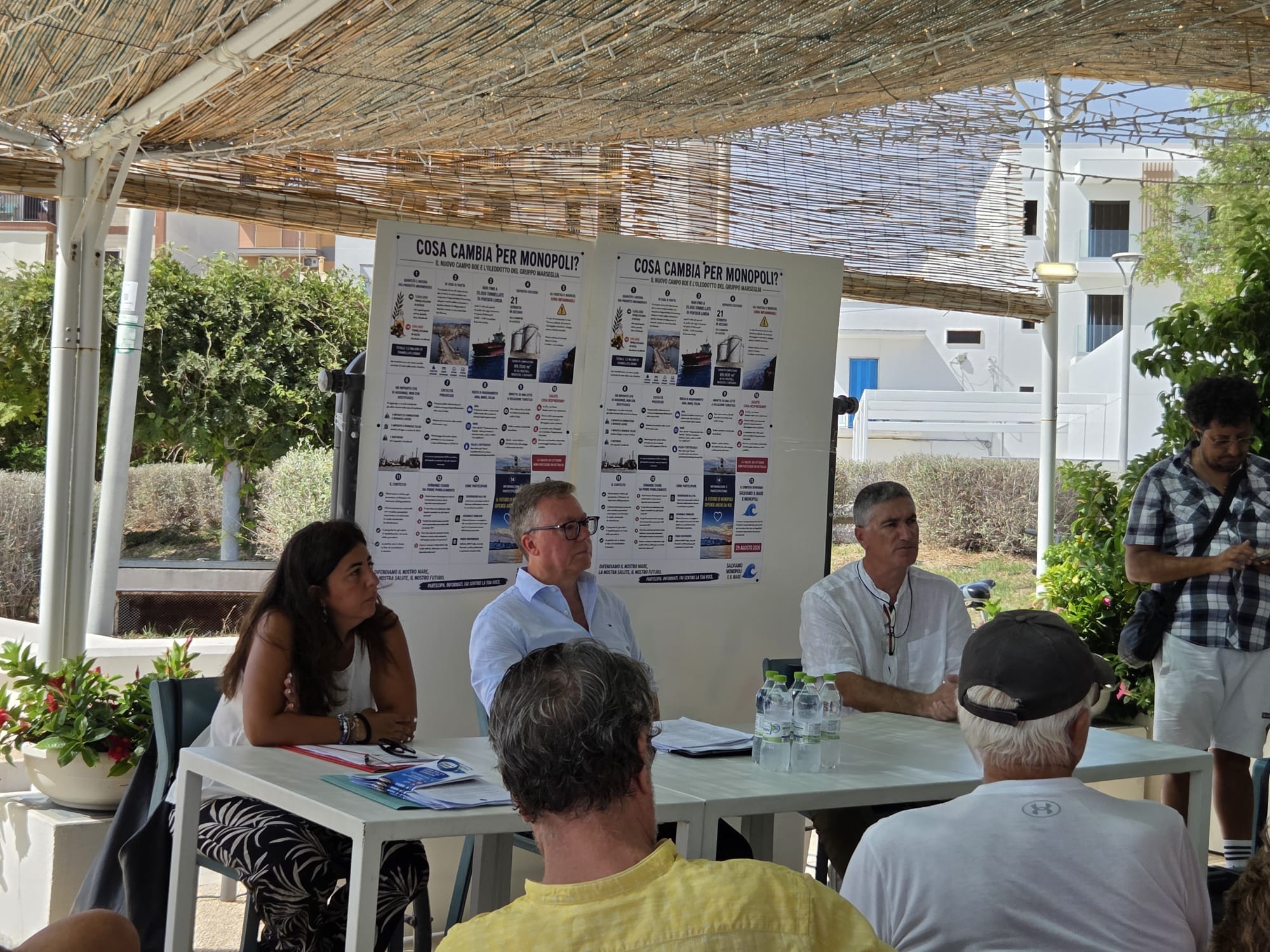
The newly formed ‘Save Monopoli and the Sea’ action committee will submit its comments on the EIA procedure currently open at the Ministry of the Environment

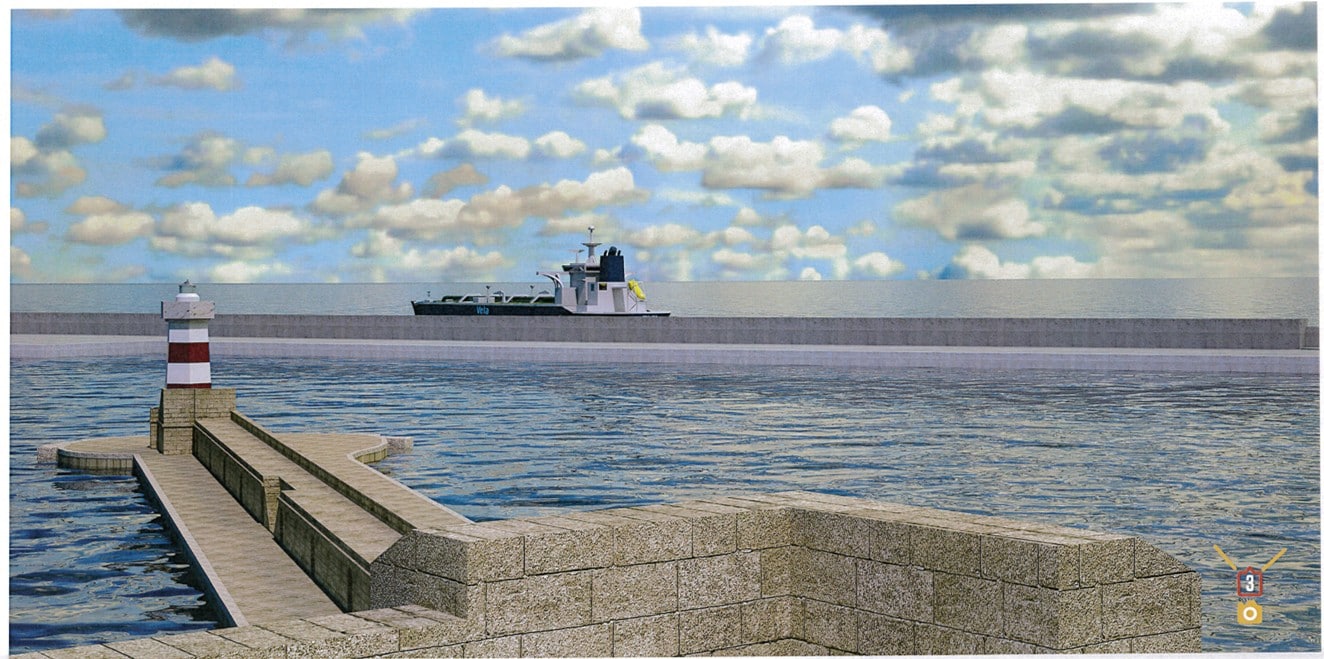
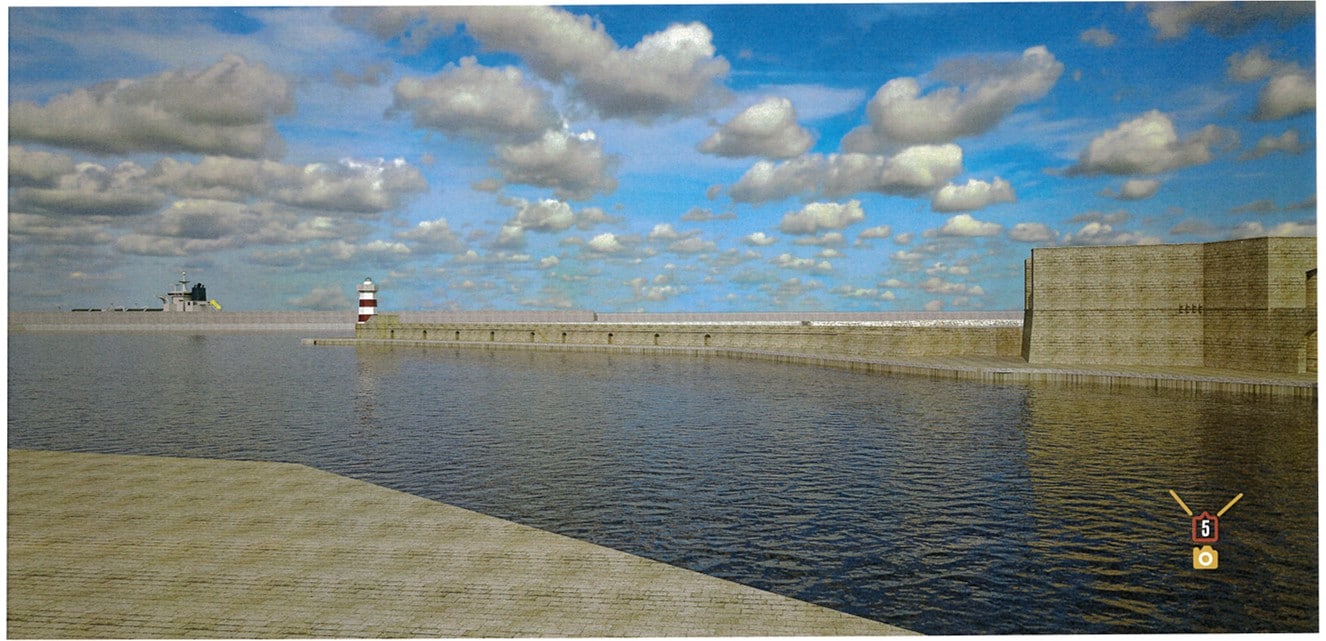
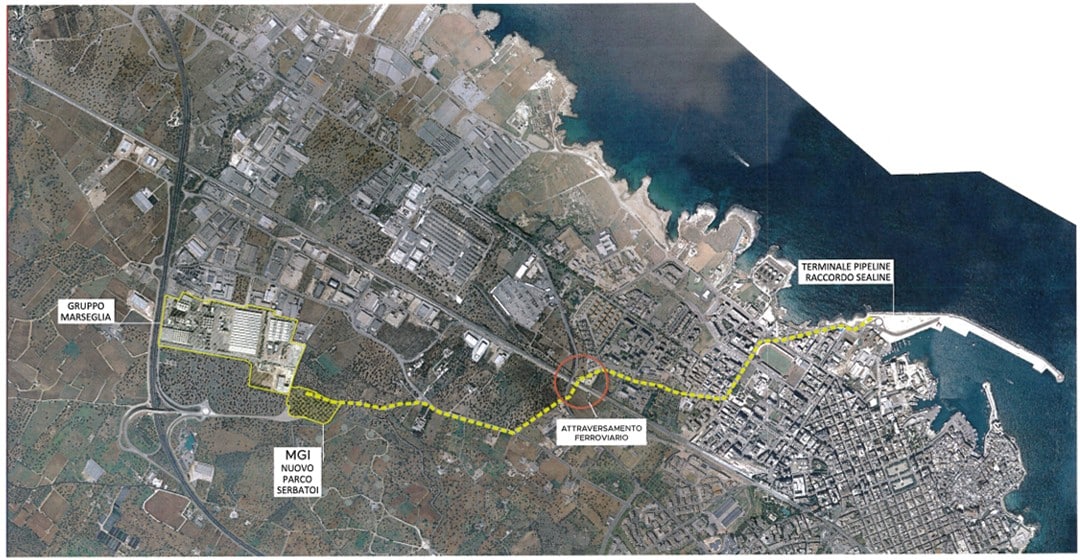
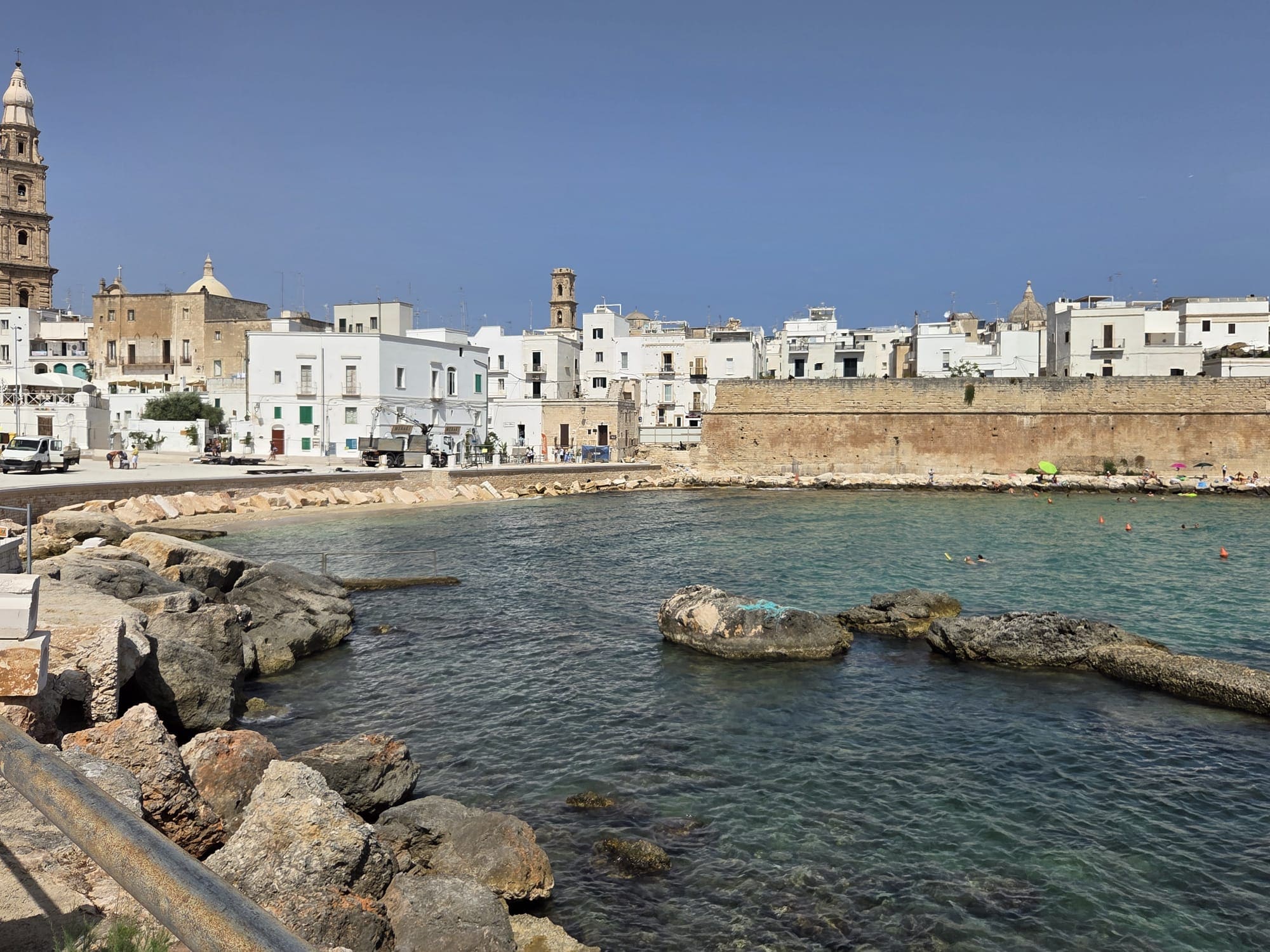
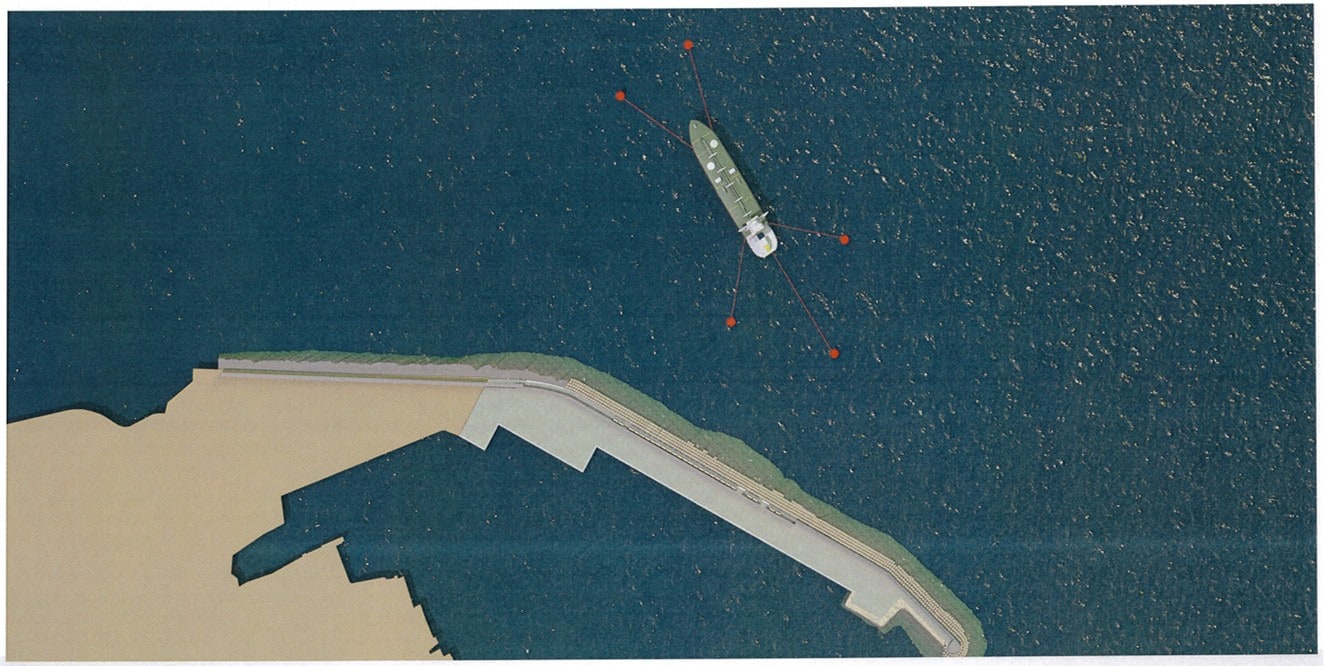
The coastal skyline could change completely in a year and a half. From the golden beaches of Monopoli, a town in the southern part of the province of Bari dedicated to tourism, visitors will be able to see, 500 metres off the coast, to the north of the Tramontana pier, a field comprising five buoys – plus three moored alongside the quay – around which tankers will come and go, capable of handling 1.5 million tonnes a year of biofuels, vegetable oils and derivatives. The new buoy array, together with the subsea pipeline and the underground pipeline connecting over a distance of 3 kilometres to the coastal depot in the northern industrial zone of the Apulian town, proposed by Magazzini Generali Italiani srl (part of the Marseglia group), could once again transform the town’s economy, which has already recorded nearly 800,000 tourist visits since the start of the year and has 2,137 registered accommodation facilities. The integration of growing tourism – which, incidentally, would require an increase in waste collection capacity – with environmental protection and the new energy infrastructure proposed by the Marseglia Group requires particular attention. And the political authorities are being called upon by the citizens, through a special-purpose committee called ‘Salviamo Monopoli e il Mare’ (Let’s Save Monopoli and the Sea), to provide answers, because, as lawyer Filippo Grattagliano – one of the committee’s founding members – explains, it is now essential to ‘absolutely halt the ongoing VIA (Environmental Impact Assessment) application currently under way’ at the Ministry of the Environment and Energy Security. The Committee will submit its comments on the EIA procedure open at the Ministry of the Environment by the deadline of 29 August.
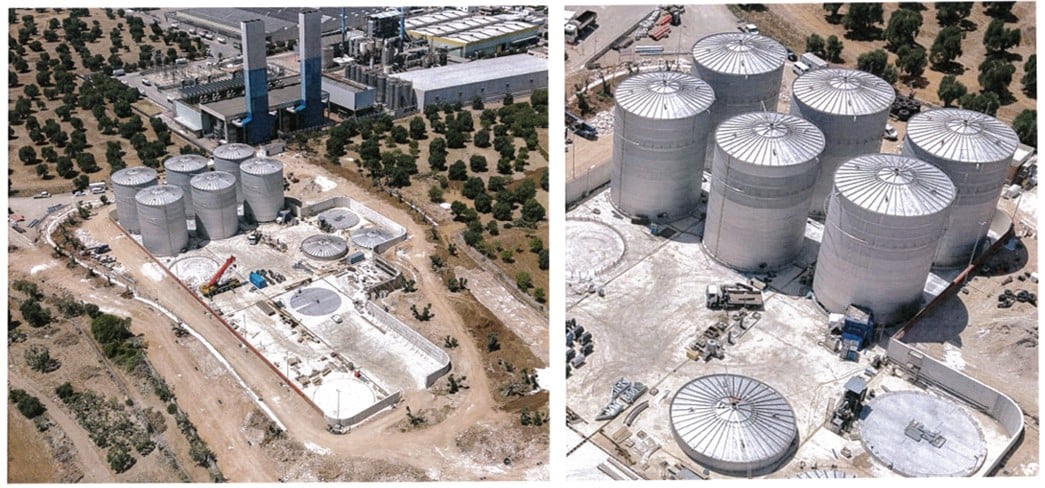
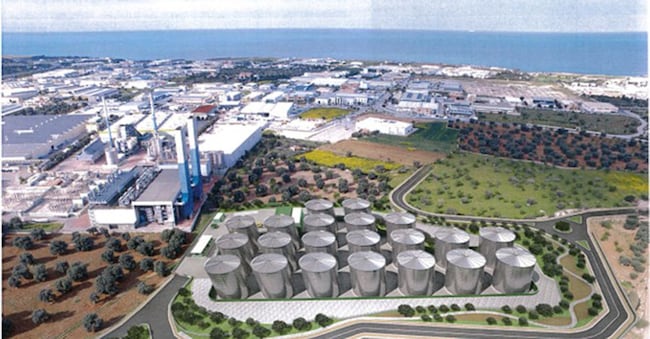
The project, thanks to the Unica ZES authorisation (number 8 of 2024) “for 21 storage tanks with a capacity of approximately 4,250 cubic metres, totalling 89,250 cubic metres”, according to the proposing company, will bring a number of benefits, such as the elimination of over 20,000 lorries a year used to transport oil from the ports of Monopoli and Brindisi, and a reduction of over 2 million kg of CO₂ equivalent per year. All this for an investment of 50 million and a construction period of around one and a half years. Magazzini Generali Italiani srl aims to establish an integrated system for the transport and storage of vegetable oils. The company (with 230 direct employees) specialises in three areas: the processing of oil for food use; the production of biodiesel; and the generation of energy from bioliquids and biomass. Hence the need to establish ‘an offshore buoy field for the mooring of tankers intended for the transport of biofuels, vegetable oils and their derivatives, connected via a subsea pipeline and underground pipelines to a coastal depot’. However, there are many concerns regarding the environmental impact and public health.
The delicate balance between the tourism and fishing industries, environmental beauty and industrial development must be scrutinised by the Ministry. The Puglia Regional Government has already, through three separate preliminary reports – a memorandum from the Parks and Biodiversity Protection Service dated October 2025, an opinion from the EIA/SEA Technical Commission dated March 2026 and a subsequent confirmation memorandum dated June 2026 – has already deemed the project incompatible with the environmental and landscape protection of the area. And then there are the procedural issues: ‘The reservoir complex and the buoy field–pipeline system are, by the very admission of the proponent’s information documentation, a single project divided into two phases,’ explains lawyer Grattagliano, ‘a “first step” (the tanks pictured), already authorised and under construction, and a ‘second stage’ (the connection to the sea), currently under assessment.” The Committee argues that this division is not permitted: “European and national legislation requires that functionally linked works be assessed together, to prevent a project of significant overall importance from ‘escaping’ a full environmental assessment. In this specific case, the assessment currently underway does not take into account the impacts of the 21 storage tanks already under construction: emissions, fire risk, land use, and cumulative effects. Furthermore, the project drawings document a third component – the direct link between the depot and the group’s production facilities – which the Committee requests should also be included within the scope of the assessment. It is also pointed out that certain project documents are missing; whilst the proponent claims to have submitted them to the Ministry, they cannot be found on the public portal for environmental assessments.
Similarly, classifying the storage facility as a strategic energy infrastructure of national interest does not comply with the legislation relating exclusively to coastal mineral oil storage facilities. ‘The very legislation that allowed for the rapid authorisation of the tank farm (the “Single SEZ for Southern Italy” scheme’) – as the Committee’s members explain – excludes energy plants and infrastructure from its scope and prohibits the splitting of the authorisation process for a single project into separate authorisations granted at different times’.
Environmental risk
The Committee also emphasises in its comments that: ‘The area where the buoy field is to be located lies close to the ‘San Vito-Barletta Posidonia meadow’ Special Area of Conservation, which protects Posidonia oceanica meadows (habitat 1120) and coralligenous reefs (habitat 1170)’. The proponent claims that the buoys and moorings would be situated on a ‘sandy clearing’ free of vegetation and, in any case, proposes the possible transplantation of Posidonia to offset any potential impact. The area is also protected as a coastal zone under the Cultural Heritage Code and the Regional Landscape Plan, which has already issued a finding of incompatibility; furthermore, the potential for underwater archaeological finds is at risk.