Analogue jewellery, memory shots: the first cameras
In a world devoted to digital speed, super enthusiasts' interest in historic models is growing. Concentrates of technical expertise, with rare accessories and ever-increasing quotations.

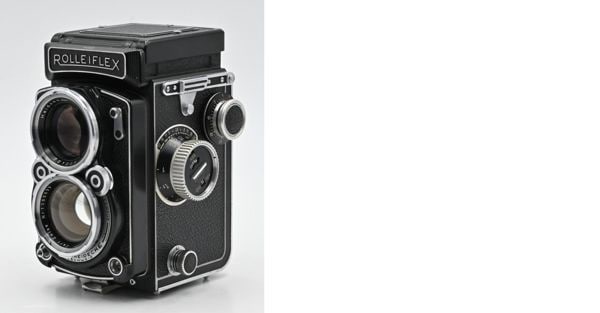
Jewels of memory. Not just objects that capture the world through a lens, but containers of memories, emotions, passions. Every camera tells a story: that of the era in which it was born, of the places it has immortalised, of the hands that used it, which is rekindled in the echo of that sharp, decisive click of the shutter. A sound that is both textural and metallic, a completely different sound from the tactile feedback of a smartphone. There is something extraordinarily poetic and precious about a 1950s Rolleiflex, or a Leica that has survived two wars. Or a legendary Voigtländer with a tobacco-coloured leather case. We are not just talking about aesthetics, but about mechanisms that, without electricity, still manage to function with astonishing reliability. Almost like optical clocks that mark time as it passes: every lever, every shutter, every viewfinder has its own voice.
To collect these objects is also to resist. In a world racing towards digital and instantaneity, towards the dematerialisation of the image, holding an analogue machine is a cultural choice. There are enthusiasts who chase rare pieces, limited editions, disappeared prototypes. Others, on the other hand, chase memories, they want to rediscover their grandfather's camera, or the one with which they themselves took their first photos when they were kids. There are those who buy for investment and those for pure passion.
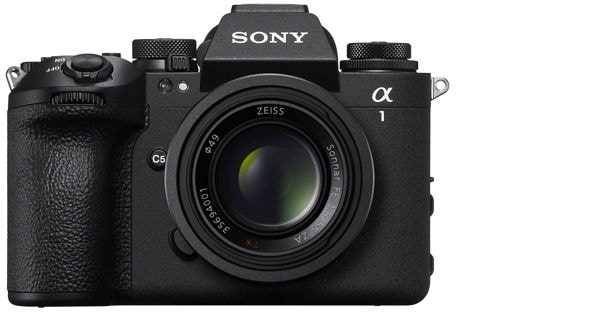
The motivations change, but not the elements of attraction: the history, the material, the light. Everyone looks for them in their names and icons of reference, such as Hasselblad and Leica, but also Nikon and Canon, and then Sony which, with the Alpha series, originating from Minolta, changed the rules of the game. These are all brands that produce cameras that are valid in terms of quality and technique, but have been able to create, with their strong identity, elements of clear differentiation.
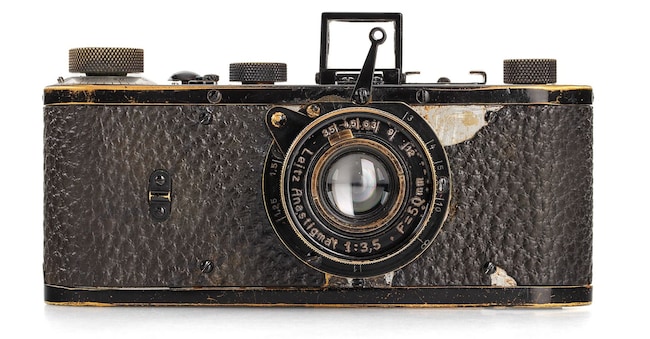
Some objects belong in their own right in the world of luxury and art collecting. At the auction held in Leitz Park to mark the centenary of the Leica I, the model of a Leica series 0 No. 112 fetched 7.2 million euros, a significant sum that places it in the Olympus of the world's most expensive objects, a true cult object of the second-hand market.
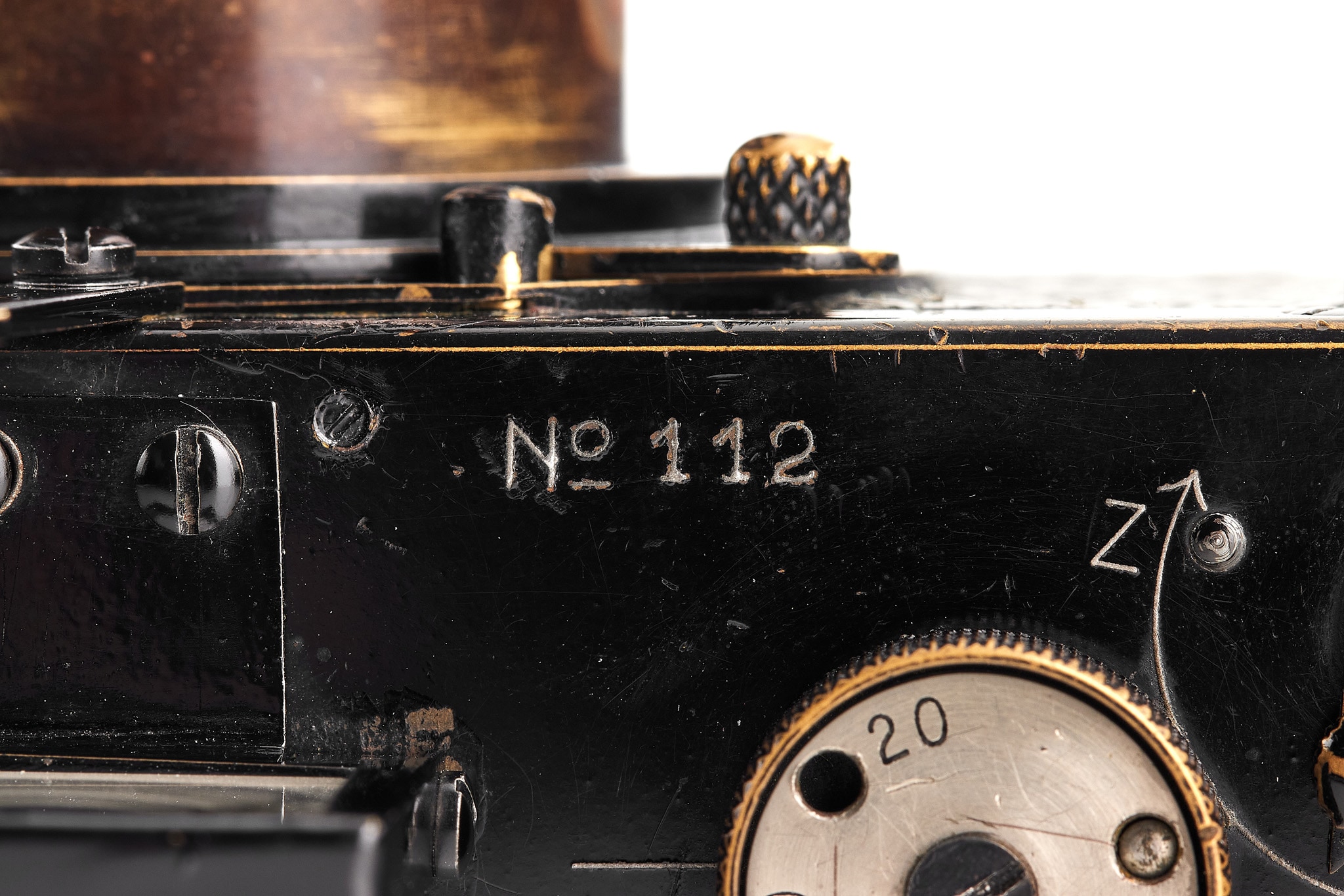
The latter has become a new paradigm of consumption with full dignity in a context where the focus on price and sustainability and the desire for uniqueness are increasingly decisive elements to guide consumption. The list is long, but some of the record-breaking cameras are worth mentioning. Again, a Leica 0, this time number 122 from 1923, was auctioned in 2018 for 2.4 million euros, starting from an auction base of 400 thousand euros.