
Illegal to regulate inter-judge registrations
No audios of interviews with colleagues, official secrecy always prevails
by Patrizia Maciocchi
 Aggiungi Il Sole 24 Ore
ai preferiti su Google
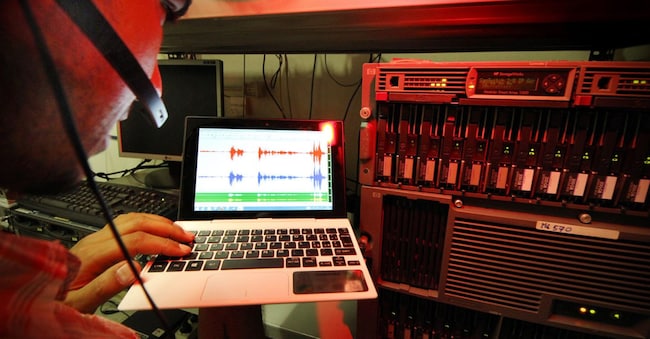
Organisational disorientation and the honour of the office being jeopardised by mismanagement do not justify the interceptions of prosecutors during meetings with their boss inside the public prosecutor's office.
Recording is, in fact, conduct that is seriously detrimental to the fiduciary relationship between colleagues. And the value of secrecy of investigations takes precedence over any other, except in exceptional cases.
Facts
The Unified Sections of the Supreme Court of Cassation, in ruling 12698, upheld, in part, the appeal of the public prosecutor's office against the decision of the disciplinary section of the Superior Council of the Judiciary to acquit the deputy prosecutors who had made registrations not for offensive purposes, but out of fear of their serious delegitimisation and for fear of heavy repercussions on the prestige of the office to which they belong, also by virtue of the enormous media pressure related to some proceedings handled in the Prosecutor's Office to which they belong.
The orientation of the Csm
The SCC, while affirming the offence, had excluded its gravity under the specific profile of good faith. The judges had, in fact, acted as a precautionary measure and not as an offence, because of the climate of strong human and professional conflict that had arisen in the aftermath of the installation of the new public prosecutor.
Priority to official secrecy
The disciplinary section ruled out seriousness, recalling the principle that in private employment relationships, recordings of conversations between persons present are lawful if they are made to protect the personal and professional decorum and honour of the person concerned. While recordings are never permitted in judicial offices because investigative secrecy is an 'unavailable' value for the individual magistrate. The necessary balancing act between the protection of the rights of the author of the recording and the secrecy of the office always sees the latter prevail, with the sole - theoretical - exception that the interested party has no other means, or no less offensive one, to assert his reasons.

