
'Time to return to investing in emerging markets'
"Among Korean companies, Sk Hynix is interesting, while on the China side there are opportunities on Alibaba, Tencent, Meituan and Pindoduo."

3' min read
Key points
3' min read
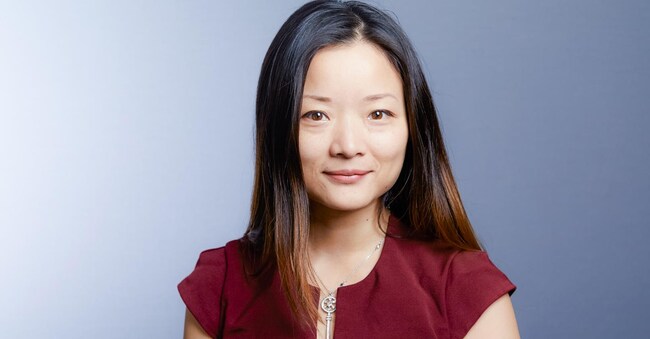
Emerging markets, aided by the wave of stimulus measures in China, recovered ground. However, this asset class lags behind developed markets by 2 percentage points since the beginning of the year and by more than 30% over the past three years. This is the starting point for Ariel Wang, emerging markets manager and analyst for Gemway Assets, who is convinced that it is time to return to investing in emerging markets, gradually building up a position.
Let's start with the Fed: how do you assess the softer stance on rates?
Historically, lower rates in the US have been favourable to emerging assets, especially in the event of a 'soft landing', as this would allow emerging markets to focus on growth instead of defending their currencies. Therefore, the start of a more accommodative monetary policy by the Fed is a very positive factor for emerging markets. In order to protect their currencies against the dollar, most of these countries have been forced to maintain restrictive policies despite falling inflationary pressures. Now, however, the Philippines and Indonesia have already reduced their rates, and South Korea, South Africa and Mexico may follow. We expect these economies and emerging equity markets to benefit from the broadening of the easing cycle.
How is the approach to emerging markets today?
.Emerging equities are still trading at a discount to developed markets and are underrepresented in global portfolios. Although uncertainties over the US presidential election have not yet been resolved, with the possibility of new developments in geopolitics and trade tensions, we may see clearer investment opportunities in emerging markets by year-end. The reindustrialisation drive in the US (as well as Europe) represents a multi-year opportunity, with Mexico, Korea and Taiwan among the main beneficiaries. Another positive factor is the falling oil price, which favours many emerging countries, despite the conflicts in the Middle East and Chinese stimulus measures.
Could you go into more detail on the choice of countries?
.If the Chinese government fulfils its promises with concrete measures, China remains tactically attractive. This market has many companies that have adapted to regulation and trade tensions by seeking other sources of growth. However, after the recent rise, we will wait for a better entry point. South Korea remains attractive due to its positioning in the semiconductor industry and investment in artificial intelligence.
Which Korean companies do you prefer?
.Companies such as Sk Hynix, a global leader in the production of artificial intelligence-related semiconductors and a major supplier to Nvidia, are well positioned. Furthermore, the government's 'Value Up' programme aims to increase the valuation of Korean companies and will have long-term effects.

