
It’s official: Carnevali is Juventus’s new CEO and general manager: ‘Proud and honoured’
The silent architect: numbers, vision and pragmatism in the man tasked with reshaping Juventus
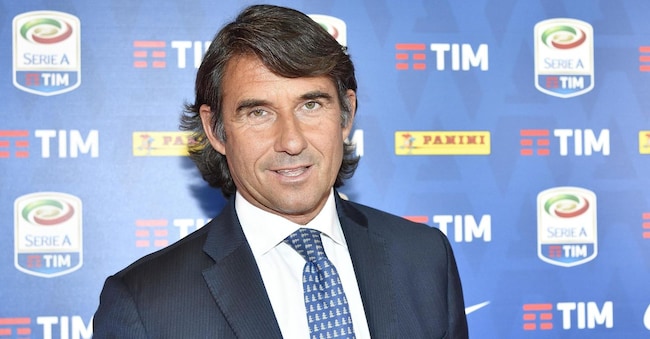
In Italian football, where hype often outweighs substance and the narrative moves faster than the results, Giovanni Carnevali has built his credibility away from the spotlight, with one distinctive trait: the ability to balance financial sustainability with sporting competitiveness. A rare combination, which now accompanies him as he takes the most delicate step of his career: assuming operational leadership of Juventus, as announced in a statement by the Bianconeri club following the departure of Frenchman Damien Comolli.
“I am proud and honoured to join this club, which is steeped in history and identity: I would like to thank the club, the majority shareholder and John Elkann for the trust they have placed in me,” were the first words of Juventus’s new chief executive and general manager. “I approach this new challenge with a great sense of responsibility and with the conviction that, through daily commitment, it is possible to build a path of lasting growth and a future of success. Together with all parts of the club, we will work to make Juventus an ever-greater force on the national and international stage, while respecting the club’s history and the ambitions of the Bianconeri fans.”
Carnevali is not one for slogans. Rather, he is a systematic manager who cut his teeth in sports marketing and honed his skills in the open-air laboratory that Sassuolo has been over the last fifteen years. His professional career is inextricably linked to the transformation of the Neroverdi from a provincial club into a European model of management. A journey in which industrial ownership – that of the Squinzi family – has been combined with dynamic governance, capable of bringing together targeted investment, talent development and financial discipline.
At Sassuolo, Carnevali has perfectly embodied the role of the modern club administrator: not only has he kept the club’s finances in order – often achieving a profit in a league as financially challenging as Serie A – but he has also forged a distinct sporting identity. Under his management, the club has established itself in the top flight, even coming close to European qualification and, above all, becoming a platform for developing young Italian players and emerging talents.
The “Sassuolo model” was no fluke, but a carefully crafted strategy: selective scouting, modest investment in transfer fees, technical development and resale at higher values. From Locatelli to Scamacca, from Raspadori to Frattesi, the list of capital gains realised is long and impressive. In Italian football, which is often reliant on broadcasting rights and faces structural difficulties in containing costs, Carnevali has managed to strike a virtuous balance between the balance sheet and the pitch.


