There’s a rush to book early, and the season is getting longer and longer
For eDreams, nearby destinations such as Spain, Italia and Greece are leading the way, whilst train travel is making a comeback; Booking.com and SiteMinder are highlighting September as the new peak month for the hospitality sector

Key points
The summer of 2026 looks set to be a positive season for tourism, albeit with some structural changes in travel habits and the strategies of tour operators. From the boom in early bookings to new emerging destinations, via the growing influence of foreign travellers and the extension of the summer season beyond the traditional months of July and August: three studies by eDreams, Booking.com and SiteMinder paint a picture that confirms the dynamism of the Italian market and is reshaping timings, destinations and hospitality models.
Italians remain loyal to Mediterranean destinations
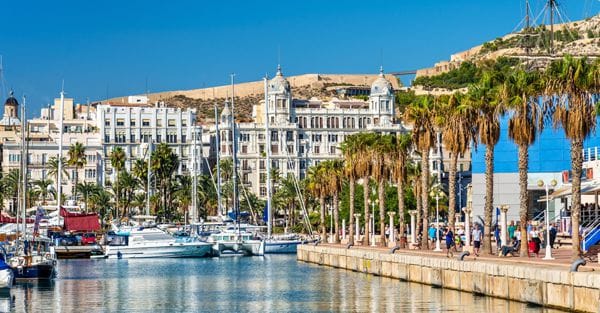
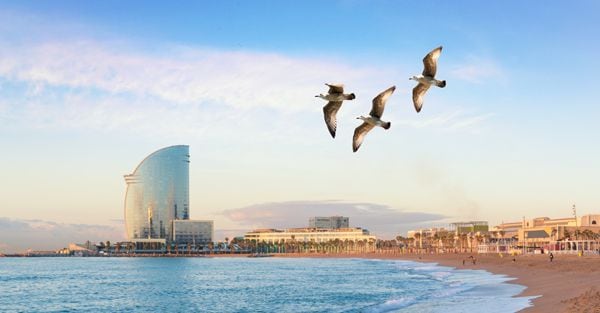
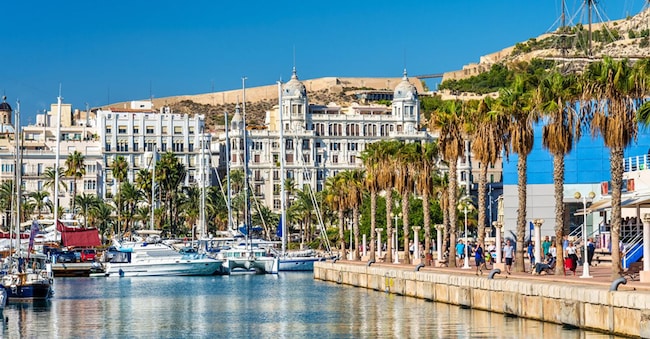
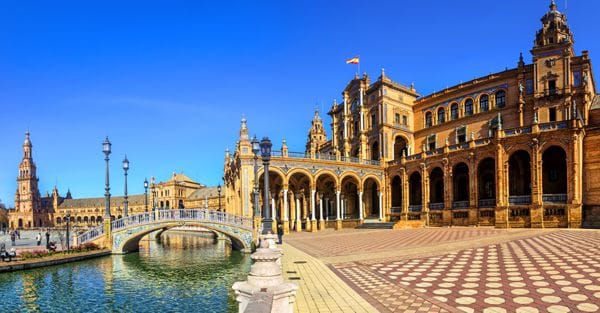
According to an analysis of bookings made on the eDreams platform, 23% of travellers who prefer to fly have chosen Spain as their summer holiday destination, ahead of destinations in Italy (19%) and Greece (16%). Confirming the strong appeal of nearby destinations, almost three-quarters of bookings (74%) are for short-haul trips, whilst only 8% of travellers have opted for long-haul destinations. The ranking of the most popular destinations booked by Italians is led by Barcelona, followed by Ibiza, Olbia, Catania and Tirana; rounding off the top ten are international cities and resorts that continue to hold strong appeal, such as Paris, Mykonos, Zakynthos, Palma de Mallorca and Valencia, in that order. Alongside these traditional destinations, others are emerging that have seen very significant growth compared with 2025: Alicante leads this special ranking with an 88% increase in bookings, ahead of Seville (62%) and Cagliari (56%). Growth is even more pronounced among so-called emerging destinations, with Italians’ booking choices focusing in particular on Turin, which has seen a year-on-year increase of 167 per cent, Warsaw (151 per cent) and Podgorica (136 per cent). As for the choices of international tourists, the destinations on the Italian mainland that remain at the top of the booking rankings are Rome, followed by Milan and Venice.
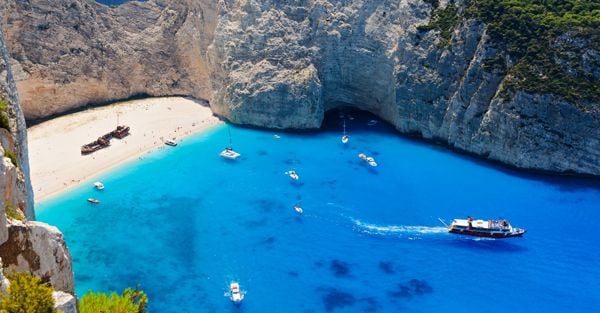
An important finding to emerge from eDreams’ analysis concerns travellers’ booking behaviour, which clearly reveals a growing tendency to plan ahead. In fact, as many as 71% of summer bookings were made more than three months before departure, with July accounting for 40% of departures, followed by August with 36%, whilst the final weeks of June account for the remaining 23%. Finally, the resurgence of the train as a means of transport for holidays is also noteworthy: Rome, Naples and Milan occupy the top three spots among destinations reached by rail, followed by Florence, Rimini, Riccione, Venice and Paris.
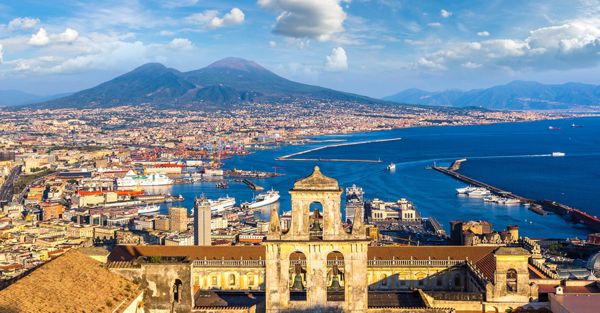
Hoteliers are optimistic: events and digital channels to extend the season
Whilst there is a strong inclination towards planning on the demand side, a climate of cautious optimism prevails on the supply side. The new Barometer of Italian Accommodation Facilities, produced by Booking.com and Statista, highlights that 60% of operators expect their business to perform well over the next six months. This figure is particularly significant as it comes at a time when certain performance indicators are showing slower growth compared to previous years: only 24% of operators report an increase in average daily rates, whilst 39% report a rise in room occupancy. Despite some slowdown, however, the hospitality sector continues to invest. Thirty-five per cent of establishments plan to increase their investment during 2026, compared with 13 per cent a year ago, and this trend reflects a desire to strengthen competitiveness in an increasingly selective and digital market, although significant differences remain between large groups and small independent establishments.

As is clearly stated in the Booking.com report, the issue of seasonality stands out amongst operators’ strategic priorities. In fact, 84 per cent of accommodation providers offer special deals for the low season, and 80 per cent provide flexible booking and cancellation options to stimulate demand during quieter periods. Digital platforms play a central role in this drive for diversification: 83% of operators consider so-called OTAs (Online Travel Agencies) and online booking channels to be the most effective tools for sustaining demand during the quieter months, whilst 73% actively use them to promote availability and special offers. Event tourism also helps to bolster demand, with 61 per cent of establishments reporting that they have benefited directly from it over the last twelve months and 72 per cent crediting cultural, sporting and trade fair events with generating bookings during periods normally characterised by weaker demand.