
There is cause for concern over rail freight transport: the sector risks slipping back to 2015 levels
In the first half of 2026, traffic fell by 8.1 per cent, following a 3.5 per cent decline recorded last year

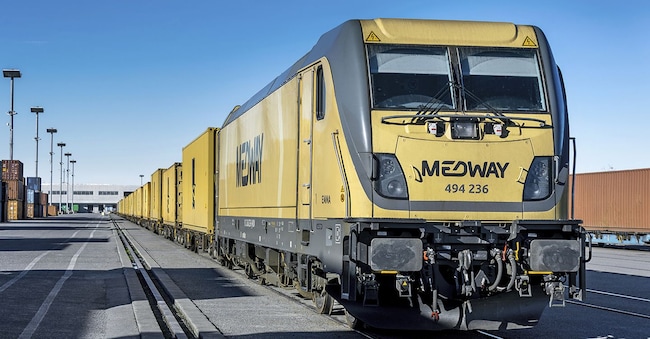
There is cause for concern regarding rail freight transport in Italia. Total traffic in the first half of 2026 fell by 8.1% compared with January–June 2025 (a loss of over two million train-kilometres). Back in 2025, the reduction had already stood at 3.5% compared with the previous year, marking the third consecutive annual decline. Operators in the sector see no signs of recovery, at least in the short to medium term. Fermerci, the association representing over 80 per cent of freight companies operating in Italia, estimates that if the trend recorded in the first six months of the year were to continue into the second half of the year, 2026 could end with a loss of more than 4 million train-kilometres compared with last year, bringing the sector down to around 45 million train-kilometres and returning traffic volumes to 2015 levels. Compared with the 53.8 million recorded in 2021, this would mean an overall loss of nearly 9 million train-kilometres over five years.
The state of rail freight transport in Italia speaks for itself. It is a sector at the heart of the European Union’s sustainability strategies, which aim to shift an increasing proportion of freight from road to rail in order to relieve congestion on the road network and cut emissions, but which, in practice, faces a very different reality. It is precisely to national and European institutions that trade associations are appealing for resources and measures to support rail freight transport and environmental sustainability policies, including in the form of compensation.
According to Fermerci, the main cause of the slump lies in the numerous disruptions to the rail network linked to infrastructure upgrade works funded by the NRRP, which are forcing long diversions and driving up production costs. These are necessary measures designed to improve the network’s capacity and performance, but they are having a very severe impact on the operations of rail freight companies. Clemente Carta, president of Fermerci, says: ‘Operators fear that, once the works are complete, Italia will have a more modern rail network, but a drastically scaled-back freight sector, no longer capable of supporting the industrial and environmental objectives of Italia and Europe, whereas it should instead be placed at the heart of the logistics system. ‘Despite the proclamations,’ continues Carta, ‘companies are still not receiving adequate support measures: underfunded incentives, funding cuts even for investments already underway, and bureaucratic complexities that hinder their implementation.’
Fermerci believes it is urgent to implement a multi-year recovery plan to support businesses during this phase and prevent a further decline in rail freight transport, so as to ensure that a crisis which is already evident does not become structural.
As far as aid is concerned, Fermerci has one request: continuity. From the Ferrobonus to the freight regulations, right through to the national grant for ERTMS technologies, the measures that are currently due to expire or are being significantly scaled back must be extended and refinanced, alongside the swift implementation of the instruments already in place. Added to this is a cross-cutting request regarding timelines: grants must be approved and disbursed with certainty and speed, because the time it takes for these measures to come into effect has a direct impact on companies’ cash flow and on the very effectiveness of the incentives.


