
Anghileri (Young Entrepreneurs): exempt under-35s from Irpef
The proposal for new workers: a decreasing cut from 100 to 20 per cent over five years. "Up to one thousand euros more per month in the first year"

Key points
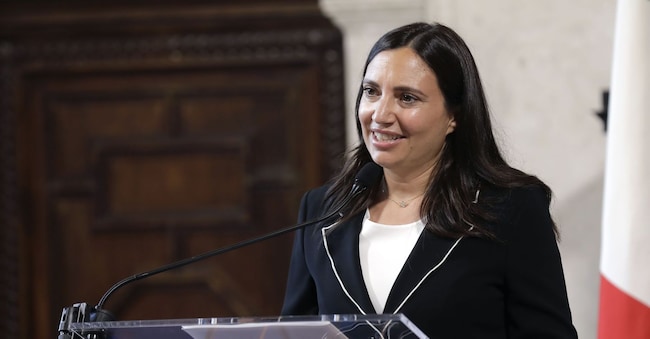
A 'strong proposal' to make Italia 'among the most attractive countries in Europe for young people'. This is the motivation behind the idea launched by the president of the Young Entrepreneurs of Confindustria, Maria Anghileri, at the conference organised in Rapallo. "It is a concrete proposal: up to one thousand euro more per month in the first year of work for an under-35. A thousand euros that change lives. The mechanism is a decreasing Irpef exemption over five years, up to EUR 50,000 of income: from 100 per cent in the first year to 20 per cent in the fifth,' he said. According to Anghileri, 'it serves as a trigger, not a substitute for the structural reforms that this country needs to make for young people'.
"Take the inefficiencies of the system away from companies and workers"
For the leader of the under-40 industrialists, "the weight of system inefficiencies - tax, bureaucracy and energy costs - must be lifted from the shoulders of small, medium and large enterprises so that they free up space to further increase investment, innovation, productivity and thus wages. The state must remove the yoke it has put on our backs, on us and on our employees,' he said. Continuing to use companies and employees as a mine from which to extract 80 per cent of tax revenue is unjustifiable.
"Progress with the May Day decree but not enough"
Anghileri argued that with the May Day decree an 'important step forward has been taken by choosing the path of the fair wage', but this is not enough to win the race for talent that exists throughout Europe. "The only way is the competitive wage," he noted. "I think it is clear by now that the country is not going," he argued, "That young people are angry. They are stuck. We are the most indebted country in Europe despite the government's prudence on public accounts, which we fully recognise. It is not going because we are not growing'.
"The Irpef cut would not be a cost, but an investment"
The leader of the young entrepreneurs said she was aware that the Irpef cut for the under-35s could have "an economic impact", but stated that this expenditure cannot be considered a cost, but is instead "an investment for the future", recalling how up to now priority has been given to the older generations: "the anticipations of the Fornero law still cost 35 billion," she concluded. And again: "out of over 1,100 billion in public spending, only 99 billion has been allocated to education, research and development; 33 billion to supporting young families and the birth rate. In all, 132 billion. On the other hand, almost 400 billion have been absorbed by social security and welfare spending'. In Anghileri's proposal there is also 'a Future Index: a public tool, stable in its metrics and updated every year, which measures not how much we invest - we already know that - but what effects the resources, incentives, and regulations we allocate to the birth rate, education, innovation and young people produce. Our Future Chain'.

