
ANIEF: “Nine out of ten schools still lack air conditioning – this is unacceptable”
The problem, according to the trade union, is that in Italia safety regulations are not adhered to across all types of work, and this is certainly the case for work carried out in schools, where there are shortcomings regarding workplace temperatures.

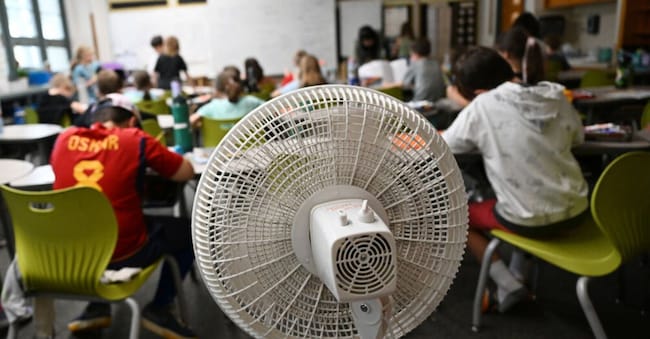
The new school year is getting underway with more than 9 out of 10 schools still without air conditioning: a situation that will force over seven million pupils and 1.2 million teachers and school support staff to endure the first few days of term in difficult conditions, with the risk of ‘heatstroke’ just around the corner. The problem, according to the ANIEF trade union, is that safety regulations are not being adhered to in Italia across all types of work, and this is certainly the case for work carried out in schools, where regulations regarding workplace temperatures are lacking.
Serious deficiency
This is a particularly serious shortcoming, because millions of children and hundreds of thousands of workers aged over 60 – who now account for a quarter of the workforce, with those aged over 50 now making up more than half – are having to cope with record temperatures. It is no coincidence that the young trade union is pressing for recognition of the growing burnout within the workforce, starting with a national survey.
Risk to be reported as a health threat
“Summer heat-related illness,” says Marcello Pacifico, ANIEF’s national president, today, “is a health risk for workers that must be reported as a potential health threat, depending on workplace conditions, by the workers’ health and safety representative, the RSU or another trade union representative, to the RLS, and from there to the headteacher. The latter, in their capacity as employer, must address this in the risk assessment document (DVR) and take all possible measures to prevent such a risk, failing which they face criminal liability – which also and above all lies with the property owner – should unmet requests for action have been attributed to them.”
“The legislation,” continues Pacifico, “in fact exempts the headteacher who has acted as a diligent ‘head of the household’, but it certainly does not exempt those who must take action to prevent this health risk, which is now highly probable. Hence our appeal to the health and safety representatives (RLS) to send the necessary reports to headteachers so that they can take action on the Risk Assessment Document, whilst we wait for the funds to be found to improve school facilities where even toilet paper is often lacking,” concludes the leader of the ANIEF trade union.

Brand connect


Newsletter Scuola+
La newsletter premium dedicata al mondo della scuola con approfondimenti normativi, analisi e guide operative
Abbonati