
Anthropic plugs the gaps in access to Claude to stop Beijing
Chinese companies are circumventing the bans through overseas subsidiaries or services set up by third-party firms

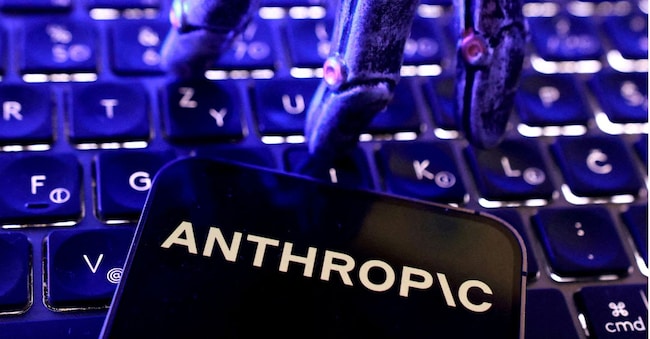
The global race for artificial intelligence (AI) is entering a new phase, in which competitive advantage is no longer measured solely by the quality of the models, but also by the ability to control their dissemination. Anthropic, the US company backed by Amazon and Google and developer of the Claude family of models, is strengthening its defences to prevent Chinese firms from circumventing the restrictions imposed on the use of its systems.
The breach and the software
According to the Financial Times, several Beijing-based companies, including Ant Financial and ByteDance, are said to have gained access to Claude and Claude Code by utilising overseas subsidiaries, international cloud infrastructure and VPN networks. These methods do not breach either US or Chinese regulations. However, they are incompatible with the terms of service imposed by Anthropic, which expressly prohibit the use of its models by Chinese companies or entities controlled by them.
This case highlights one of the main challenges of the new AI economy: restricting access to software distributed via the cloud is far more complex than controlling exports of hardware components such as semiconductors. Whilst chips can be blocked at borders, language models can be accessed via overseas subsidiaries, international accounts or intermediary services.
Anthropic has therefore reportedly stepped up its checks on users, monitoring parameters such as time zone, connection method and network configurations, in order to identify suspicious access attempts. The company is also combating so-called ‘transfer stations’ – platforms that forward requests to Claude accounts registered outside China, effectively enabling the service to be used in the Chinese market.
The Battle
The crackdown comes after weeks of mounting tension between the American company and certain Chinese technology groups. In recent days, Anthropic had accused Alibaba of orchestrating a large-scale operation to ‘distil’ its models, using tens of thousands of fake accounts to acquire large volumes of responses generated by Claude and train competing systems. Alibaba has rejected the allegations, but the case has reignited the debate on the protection of intellectual property in artificial intelligence.


