
Antitrust opens investigations into Glovo and Deliveroo Italy companies
Companies allegedly communicated misleading information about their ethical commitment and social responsibility towards riders
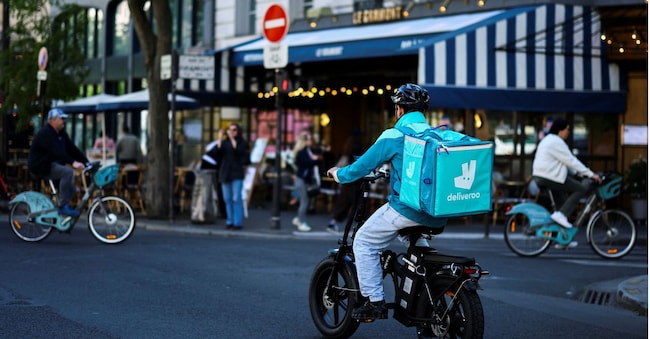
The Antitrust Authority has opened an investigation against some Glovo group companies (Glovoapp23, Foodinho and Glovo Infrastructure Services Italy) and an investigation against Deliveroo Italy for possible unlawful conduct in the business of offering home delivery services for food products. The authority announced this in a note in which it specifies that the companies would have communicated misleading information regarding their ethical commitment and social responsibility towards riders.
The companies, reads a statement by the Antitrust Authority, would have highlighted, in their communications addressed to consumers (for example, in the code of ethics and on their website in the 'about us' sections), a corporate image based on respect for ethical standards and social responsibility that would not correspond to the truth. In particular, the authority explained, this was the case with regard to working conditions and respect for legality in the management of riders, with reference also to the operating model and the algorithm used by the two companies. Yesterday, the Authority's officials, with the help of the Special Antitrust Nucleus of the Guardia di Finanza, carried out inspections at the headquarters of the companies Foodinho S.r.l. and Glovo Infrastructure Services Italy S.r.l., and at the headquarters of the company Deliveroo Italy Srl.
"Maximum severity against false ethical advertising by companies". This was stated by Codacons, commenting on the investigation opened by the Antitrust Authority against Glovo and Deliveroo Italy for possible unlawful conduct in the business of offering home delivery services for food products.
"We have long denounced the practice of companies of using environmental and social claims in their marketing strategies and in commercial communications to the public, messages that are not always correct and are sometimes based on untrue statements on ethical standards, sustainability, and social responsibility towards employees," Codacons explains. "Such practices are capable of diverting the choices of consumers, who are increasingly attentive to ethical purchases, and distorting the market, diverting hundreds of millions of euros every year in terms of purchases of products and services. Suffice it to say that today, in the food sector alone, as many as 6 out of 10 Italians say they make ethical and sustainable purchasing choices"

