
Apple, Amazon, Google, Meta and Microsoft: revenues of 541.8 billion
Total net profit was USD 180.9 billion compared to USD 118.9 billion a year ago.
Finally, she came too: Apple. The company of the bitten apple released its figures for the second fiscal quarter 2025 2026. The numbers are above Wall Street's estimates. In particular, turnover was 111.184 billion dollars while net profit stood at 29.578 billion. Finally, diluted EPS was $2.01, up 22% from the same period last year.
These are numbers that add up to those released last Wednesday by Alphabet, Meta, Microsoft, and Amazon. And which allow the five big tech companies, for this latest round of quarterly reports, on the one hand to reach total "monstrous" revenues of 541.8 billion (they had been 435.6 a year ago). And, on the other, to post a cumulative net profit of 180.9 billion (118.9 the profits of the same period a year ago). In the first case the increase is 24.3% and in the second 52%.
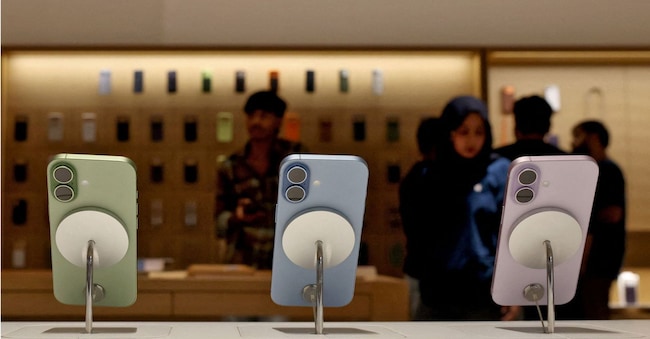
That being said, and returning to the specifics of Apple, it can be emphasised that the group - as the Wsj explains - saw the new iPhone 17 range underpin the increase in sales, with revenues in the smartphone segment up more than 21%. But - in general - the dynamics could have been even better without the constraints in the availability of advanced chips. In recent months, Taiwan Semiconductor Manufacturing Company has allocated an increasing share of its production to semiconductor manufacturers for artificial intelligence, including NVIDIA, limiting supplies for consumer electronics.
Despite the difficulties, profitability remained high, with gross margin reaching 49.3%. China continued to be a strong area of recovery, with iPhone sales up 28%, following a 38% increase in the previous quarter, marking two consecutive periods of robust growth after weaker years. The strong performance enabled Apple to take the global lead in the smartphone market in the March quarter, according to Counterpoint, thanks in part to its positioning in the premium segment, which mitigated the impact of rising memory and storage costs.
On the strategic front, Tim Cook has indicated that September will be the time of the handover to John Ternus, underlining the solidity of the company's current momentum. In the meantime, Apple is trying to cope with rising component prices, driven by strong demand from the AI sector, which threatens to squeeze the margins of the entire hardware business.


