
Apple raises prices for MacBook, iPad and Vision Pro due to the surge in memory costs linked to AI
The decision by the Cupertino-based company: for now, iPhones are excluded from this initiative, but the future is far from certain
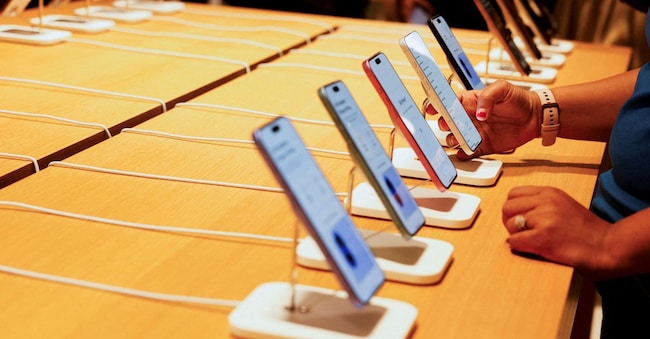
Anyone who follows the semiconductor sector knows that, for the past month or so, memory chips have become the driving force behind AI. And that, for this reason, other sectors that use these processors are subject to price fluctuations that are somewhat worrying. Today, confirmation comes from Apple, one of the world’s leading manufacturers of electronic devices. The Cupertino-based giant has in fact announced a global price increase for most of its Mac range, iPads, home devices and the Vision Pro headset, attributing the decision to the unprecedented rise in the cost of memory and storage systems. Prices for the iPhone, Apple Watch and AirPods, however, remain unchanged; for the time being at least, they are not caught up in this spiral.
The issue, as mentioned, is closely linked to AI. Artificial intelligence data centres are undergoing a phase of rapid expansion and evolution. Their construction requires enormous quantities of DRAM memory and NAND chips – the very same components used in consumer electronics (smartphones, tablets, PCs). Strong demand has reduced market availability and caused prices to rise rapidly to levels never seen before. Apple has indicated that it has (so far) absorbed these price rises. Now, however, it has begun to pass on at least part of them to retail prices.
The price rises affect the entire Mac range. The new MacBook Neo has gone up from $599 to $699 in its base configuration, whilst the MacBook Air has risen from $1,099 to $1,299. The 14-inch MacBook Pro now starts at $1,999, up from the previous $1,699, whilst the 16-inch version is priced at $2,999. There have also been price adjustments for the iMac, Mac Studio and Mac mini.
iPads have also seen across-the-board price increases. The 11-inch iPad Pro has gone up from $999 to $1,199, whilst the 13-inch model has risen to $1,499. There have also been price rises for the iPad Air, the standard iPad and the iPad mini. Prices have also been adjusted upwards for the HomePod, HomePod mini, Apple TV and Vision Pro, which now starts at $3,699.
It should be noted that Apple had already highlighted the issue in April, during its quarterly results presentation. CEO Tim Cook had explained that the memory shortage was already causing delivery delays for several Mac models and that the situation was likely to continue for several months. According to the manager, iPhones are less affected by this specific issue, although they are facing supply constraints regarding other processors.


