
Apple raises the question of trust but Europe will have to wait
The architecture designed by Cupertino to manage artificial intelligence in devices is unique. Here's how it works

4' min read
4' min read
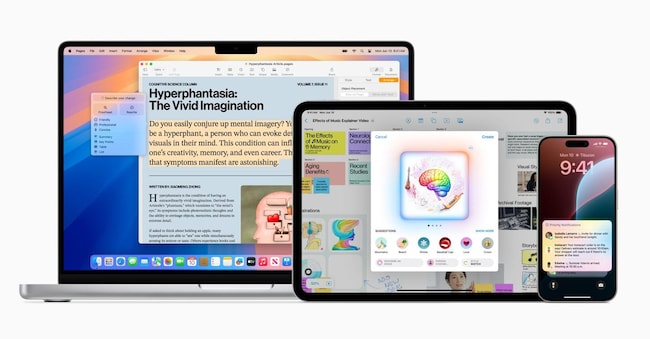
Generative artificial intelligence is also a matter of trust and time. This became abundantly clear - and we could not but expect it - with the presentation of the made-in-Cupertino Ai at Apple's developer conference last week in San Francisco. Apple Intelligence, as it was christened, is not a simple Llm but a platform that integrates not only with Apple apps but also with third-party apps. Cupertino's choice is to hook its algorithms to the data in the device and those that developers decide to share with them. The processing will take place when needed and according to the user's requests, either directly on Apple's Private Cloud Computer servers or directly on the device, or externally on other large language models such as OpenAi's ChatGpt, which has entered into an agreement with Apple. The architecture designed by Apple is unique and definitely innovative. The Cupertino company explained that the delay is 'due to regulatory uncertainties caused by the Digital Markets Act, we do not believe we will be able to implement three of these features (iPhone Mirroring, SharePlay and Apple Intelligence) for our European users later this year'. The problem would be in the integration of ChatGpt within the operating system.
For some months now, we have been hearing a lot about Ai-on-device, which means using the hardware of the device (PC or smarphone) to process the very expensive questions we ask chatbots. Ai gen we know is not only energy-intensive but also a headache of no small consequence for the Cio of all companies. Outside the enterprise cloud comptuting that has established rules on the use of corporate data, sending questions containing sensitive information about us and our lives to servers is an activity that will indelibly mark the new era of chatbots. Every time a piece of data leaves a device, it becomes more vulnerable.
Apple has always been a black belt on this front and over the last ten years has focused its hammering marketing communication precisely on respecting the confidentiality of its users' data.
But how does it work?
With Apple Intelligence, Cupertino claims that its privacy-focused system will first attempt to perform artificial intelligence tasks locally on the device itself. There are at least five fundation models that Apple has made available to its users. As for external providers, as mentioned, Apple has integrated ChatGpt for now, but Cupertino managers have stated that they are also open to other external providers (such as Gemini, for instance). Some have protested that the agreement with OpenAI could break the software-hardware integration that has always been Apple's hallmark. As Apple explains, access to Gpt is through Siri. It is she (or he) who decides whether to use the phone's foundation models or get out of it. In any case, the final word rests with the user who authorises the prompt and services with the OpenAI servers. According to the rules signed with Apple, the IP addresses will be obscured and OpenAi undertakes not to store the prompts in the case of use of the free chatbot. In the paid mode, however, the privacy policy signed with OpenAI prevails.


