Appointment in Bruges for the new Brusk
An art centre for high-level exhibitions and events, a new international artistic reference, arrives in the heart of northern Venice

Key points
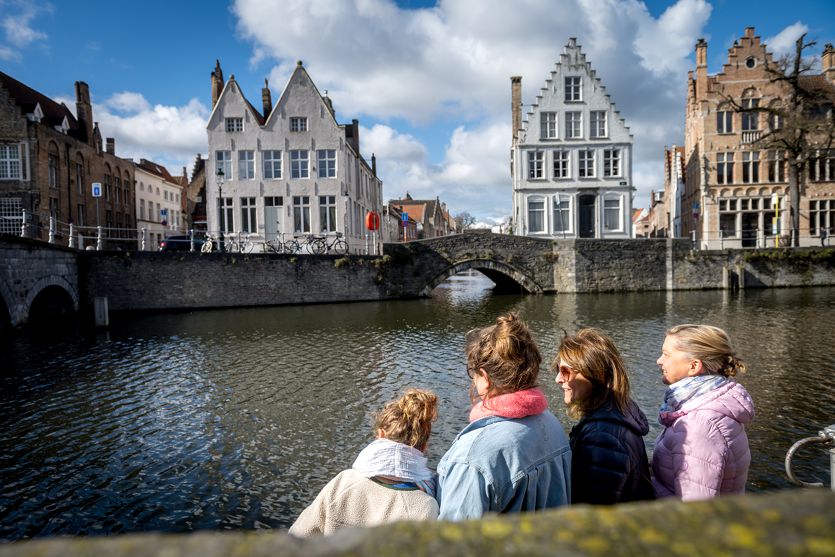
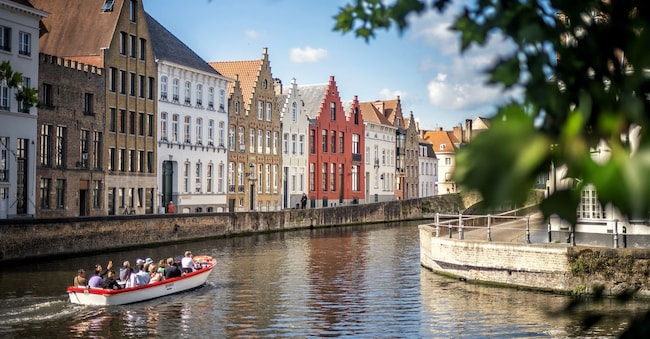
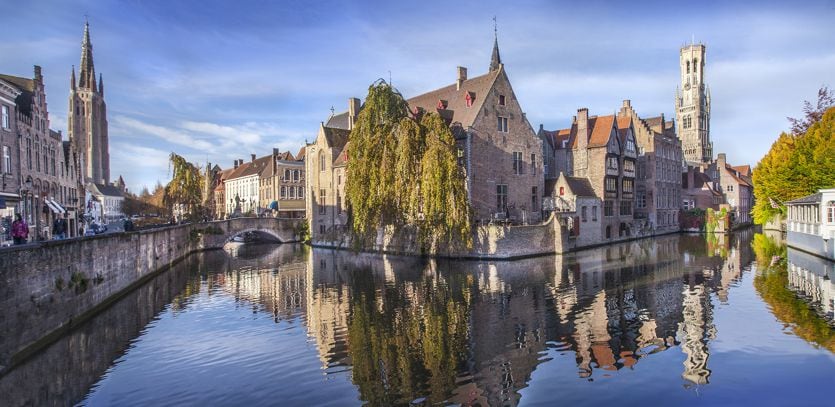
No longer just the 'Venice of the North' all canals and lace. Putting aside for a moment the postcard image of the silent, timeless Bruges, the city in Flanders is projecting itself into the future with artificial intelligence, sustainable architecture and a new way of experiencing Flemish art. If its historic centre, a Unesco heritage site, remains a jewel of classical art, the city as a whole is about to change its skin. The countdown has begun: on 8 May Brusk, the new beating heart of the Museum Quarter, will officially open, a project that promises to position Bruges among the world capitals of contemporary creativity.

Where the Ai dialogues with the Middle Ages
Designed by Robbrecht en Daem and Olivier Salens Architects, Brusk is not just a museum, but a declaration of intent. It is a transparent building that unleashes energy (literally, thanks to its roofs covered in photovoltaic glass) and breaks traditional exhibition patterns. The opening weekend aims to become a top event for all of Flanders, with two exhibitions that perfectly summarise the city's dual soul. On the one hand, Refik Anadol and the 'latent city': the generative art pioneer will use artificial intelligence to transform Bruges' data - from canal flows to architectural textures - into an immersive sensory experience. For the first time, technology will show the 'invisible dynamics' that make this city unique. Then there is Bigger Picture, an exhibition that rewrites the Middle Ages. Curated by historian Peter Frankopan, the exhibition connects Bruges to the rest of the world between 900 and 1550. Among the masterpieces on display, a special link with Italia stands out: the Passion of Christ by Hans Memling, on loan from the Galleria Sabauda in Turin.
A city looking ahead
But Brusk is only the tip of the iceberg. The city is investing strongly in its contemporary identity. A must-see is the Concertgebouw, the concert hall covered in thousands of red terracotta tiles. You don't just go here for the music. The 'Circuit' experience allows you to explore the architecture of the building, discover sound art installations and enjoy a breathtaking view of the city from the rooftop. The creative energy does not run out: the Bruges Triennial 2027 has already been confirmed, with the appointment of curators Ulrika Flink and Helen Rix Runting, who will once again transform the streets and canals into an open-air museum.
The charm of old "In Situ"
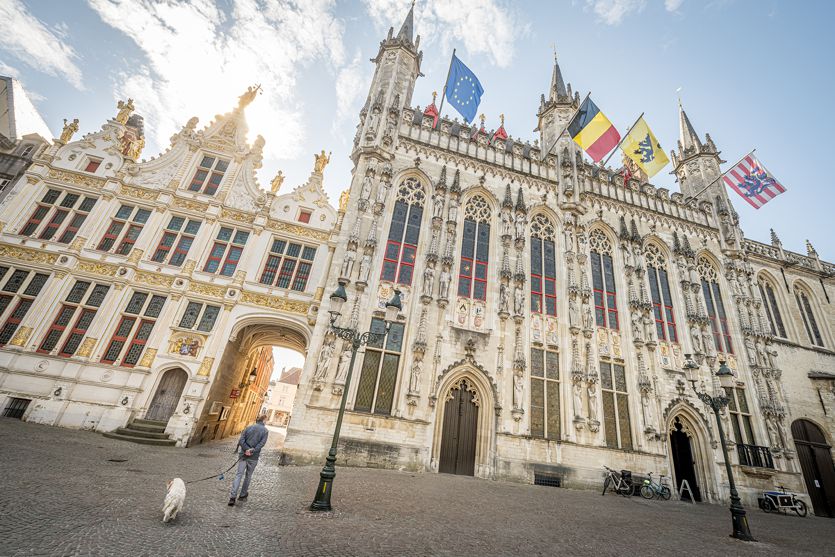
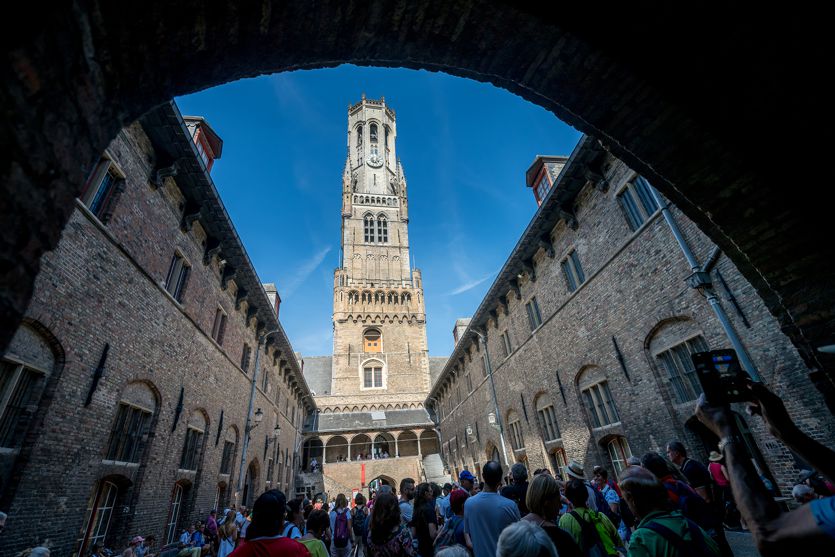
Looking to the future does not mean forgetting one's roots. The Flemish Masters in Situ project invites you on a slow journey: a series of works by the Flemish masters which, exceptionally, can still be admired today in the exact places for which they were conceived. It is an intimate way of discovering churches and small hospitals off the beaten track. And for those who want to 'feel' history, the 'Het Belfort Vertelt' (The Civic Tower Tells) experience transforms the climb up the iconic 366 steps of the tower into a living narrative of the rise of the city.
The "Tour of the Masters"
For centuries, Bruges was one of the most important cities in Europe and the so-called 'Tour of the Masters' leads to the discovery of works of art created by artists who considered Bruges their home. There are six must-see attractions. Beginning with the St. John's Hospital Museum, a medieval hospital that houses four masterpieces by Hans Memling that are part of the list of Flemish masterpieces and, next to the museum, in the former cloister of the confraternity, is the old pharmacy where, from 1653 to 1972, the nuns made medicines. Next is the 15th-century Adorno estate, owned by the wealthy Genoese family of the same name. Here the stately palace, garden and iconic Jerusalem Chapel testify to a rich and fascinating history. Another medieval palace with an eventful history is Hof Bladelin. A story that began with Lorenzo the Magnificent de Medici and his wife Clarice Orsini, whose medallions can be admired in Hof Bladelin's bank room. Also attracting attention are the six stained glass windows on the façades, designed by the Bruges studio of Jules Dobbelaere. The grand masters' itinerary continues with a visit to the Church of Our Lady, an architectural masterpiece with a rich art collection, the church complex and the Discalced Carmelite Convent, and ends with the Historium, which brings the Golden Age to life through an interactive exploration.