
Arpinge tops the ESG ratings
The investment company owned by Inarcassa, Cassa Geometri and Eppi has been rated a ‘sector leader’ in the ‘diversified’ category of the international Gresb index

Arpinge – an Italian industrial holding company that invests in infrastructure, established in 2014 on the initiative of Inarcassa, Cassa Geometri and Eppi, the pension funds for architects, engineers, surveyors and industrial technicians: 261,000 professionals and assets of approximately 22 billion euros – has been recognised as a ‘sector leader’ in the ‘diversified’ category (diversified investments) in the Gresb Infrastructure Fund Assessment 2026. Gresb is the international benchmark for ESG performance in real asset investments, namely property and infrastructure. In this instance, it has awarded the top ranking to the Italian company within the infrastructure funds sector.
The ‘sector leaders’, as also explained on the GresB website, are the organisations that have achieved the best results – by sector, region and type of ownership – in the GresB assessments dedicated to the property and infrastructure sectors. The scope is global and, as shown in the online list, funds from all over the world were assessed alongside Arpinge.
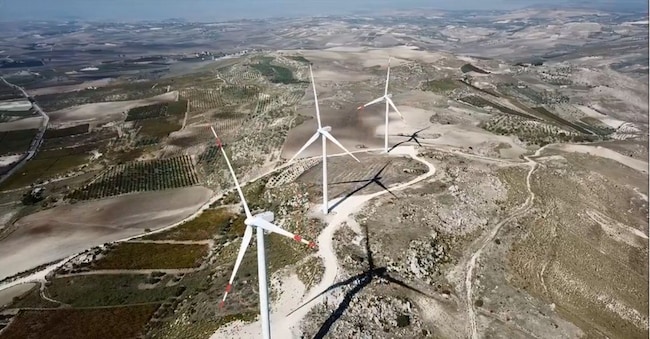
The company’s sector-specific sub-holdings have also been recognised as ‘sector leaders’ in their respective categories: Aeer in ‘Wind Power Generation’ and Parkinge in ‘Car Park Companies’, based on rankings and criteria that analyse both ESG management and performance data measured at the plants. Arpinge operates through three sub-holding companies: Aeer invests in renewable energy, with around 100 MW of installed capacity, four biomethane plants due to come on stream shortly and a pipeline of eight energy storage systems. Parkinge, on the other hand, invests in parking infrastructure and manages around 10,000 parking spaces in six regional capitals. Finally, Arpinge Natural Capital invests in natural and technological carbon removal solutions. The holding company’s portfolio is dominated by the first two sectors: car parks and mobility account for 29.5 per cent, wind power 27.3 per cent, biomethane 16.1 per cent, and solar power 12.1 per cent, followed by private equity (9.1 per cent), battery storage systems (5.6 per cent) and environmental services (0.2 per cent).
Federico Merola, CEO of Arpinge, expresses his satisfaction: “I like to point out that all our ratings are at the highest levels: the Cribis ratings for economic and financial soundness; the banking ratings, which ensure excellent access to credit; and the reliability ratings. We are a Cribis Prime Company, meaning we are among the very small group of firms that simultaneously possess high financial strength, make payments to suppliers extremely promptly and have no adverse events on record. Furthermore, every year an international consultancy, Protiviti, analyses our portfolio and issues a summary risk assessment, which in our case is medium-low. It is by virtue of this objective soundness, after all, that over the last 13 months we have earned the trust of banks and institutions, which have financed and supported (through the NRRP) our investments and created value for our shareholders without us having to ask them for additional resources.”
Merola emphasises the importance of sustainability in the company’s operations, balancing its industrial focus with the need for transition: ‘Investments in sustainability made in accordance with appropriate economic and financial criteria should ensure greater resilience over time. And this can be an attractive feature, particularly for long-term pension fund investors, as it reduces the risks of volatility over time.”


