Technology

Google Pixel 10a arrives: is Ai photography worth more than megapixels?

Google aims to conquer mid-range smartphones: at EUR 549, it does not raise prices and bets on computational photography.

by Luca Tremolada

2' min read

Translated by AI
Versione italiana

2' min read

Translated by AI
Versione italiana

In the mid-range smartphone market, there is an unwritten law. Cut the price, cut the camera. It is the forced diet of technology: less euros, less ambition.

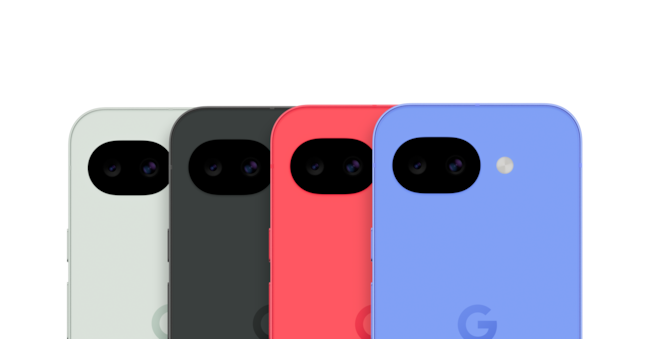
Google Pixel 10a has arrived in Italia and tries to break this pattern. The message is direct: the camera is not an accessory. It is the product.

Loading...

At EUR 549 - the psychological threshold of the 'premium mid-range' - it features a 48-megapixel main sensor and a 13-megapixel ultrawide like that of the Pixel 9a. Solid numbers mind you. But this is not a megapixel contest. It is a chess game played with algorithms. As we know Google does not win on hardware. It wins on software. It wins where it has been accumulating technological capital for years: computational photography.
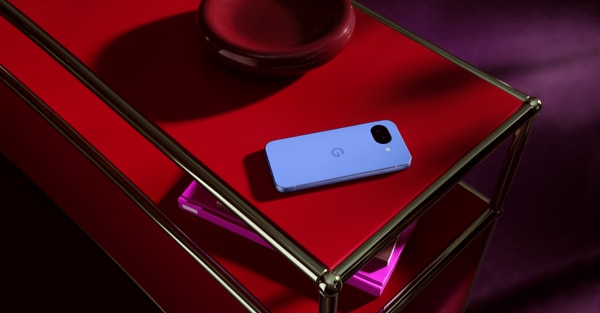
Night Sight illuminates the night without turning it into a digital watercolour. Macro Focus goes into close-up detail. Super Res Zoom goes up to 8x without a periscope lens. Translation: a €549 smartphone that does the work of an advanced compact. Not magic. Calculation.

The other novelty is the arrival of Gemini-based instruments on the 'a' series. Here the phone stops being just a smart camera. It becomes a creative assistant. Camera Coach analyses the scene in real time and suggests how to improve composition and light. It's like having a built-in photography tutor. Micro-lessons as you shoot.

Auto Best Take combines several photos to find the best expression in a group shot. Add Me inserts the photographer into the final image. The photo is no longer an instant. It is an algorithmic synthesis of several instants. Photography becomes man-machine collaboration. You press the button. The AI orchestrates.

Then there is the editing. By now it's half the experience. With Google Photos you can edit an image by describing what you want to achieve. Remove an object. Change a background. Fix a detail. With your voice or a prompt. Your phone becomes a small post-production room. In your pocket.

Everything runs on Tensor G4, the proprietary chip designed to grind artificial intelligence patterns directly on the device. On-device is the keyword. It means speed. It means less latency. It means a lot of processing stays within the phone's perimeter. Privacy as a by-product of efficiency.

The strategy is clear. Google does not compete on the luxury of materials or the brute power of thousand euro flagships. It competes on the intelligent photographic experience. On the perceived quality of images that end up on social networks, in chats, in cloud backups.

Today, people's memory is almost entirely mediated by the smartphone. Investing in the camera means investing in the digital identity of users. On their stories. On their memories.

Pixel 10a is not the most powerful phone on the market. But it may be the most advanced in the use of Ai. And in 2026, perhaps, that is the real unit of measurement.

Copyright reserved ©
  • Luca Tremolada

    Luca TremoladaGiornalista

    Luogo: Milano via Monte Rosa 91

    Lingue parlate: Inglese, Francese

    Argomenti: Tecnologia, scienza, finanza, startup, dati

    Premi: Premio Gabriele Lanfredini sull’informazione; Premio giornalistico State Street, categoria "Innovation"; DStars 2019, categoria journalism

Loading...

Brand connect

Loading...

Newsletter

Notizie e approfondimenti sugli avvenimenti politici, economici e finanziari.

Iscriviti