Art and Collectables: the results with 5% VAT
The market exhibition organised by the Associazione Antiquari d'Italia for the first time at Palazzo Barberini confirms good sales

2' min read
Key points
2' min read
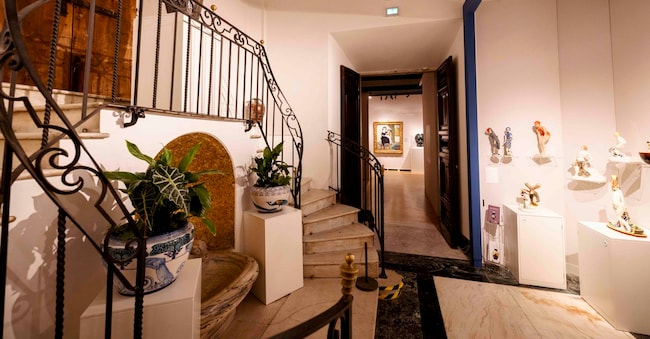
The 'Arte e Collezionismo a Roma', organised by the Associazione Antiquari d'Italia at Palazzo Barberini, has come to an end: it is the first antiques market exhibition - held from 18 to 23 September - to be held in Italy with the reduced VAT rate on sales and imports of works of art reduced from 22 per cent to 5 per cent. How did it go? This second edition closed with more than 12,000 attendees and sales of around EUR 5 million. The volume of business generated - but various negotiations will continue even after the end of the event - is higher than the 2023 edition, the result, according to the organisers, also of the government measure that came into force last 1 July and that should guarantee more revenue for the state coffers.
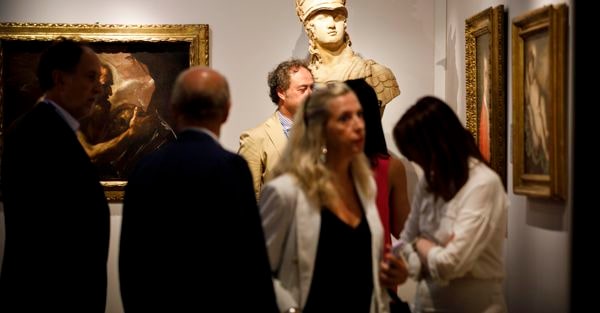
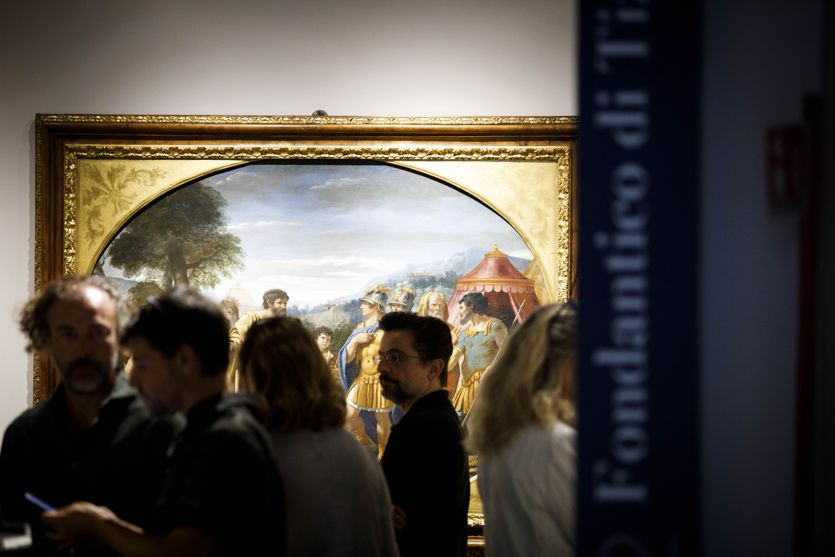
Sixty-three Italian and international galleries exhibited works of high historical and artistic value, where the value of confrontation, research and knowledge was at the centre of the exhibition itinerary full of masterpieces already known or as yet unseen. Alongside painting and sculpture, ample space was dedicated to decorative arts, bearing witness to the great Italian antiquarian tradition. The exhibition traversed the entire history of art, from sculptures from the classical age to Baroque and Renaissance art, to modern and contemporary art.
Sales and rare disclosure
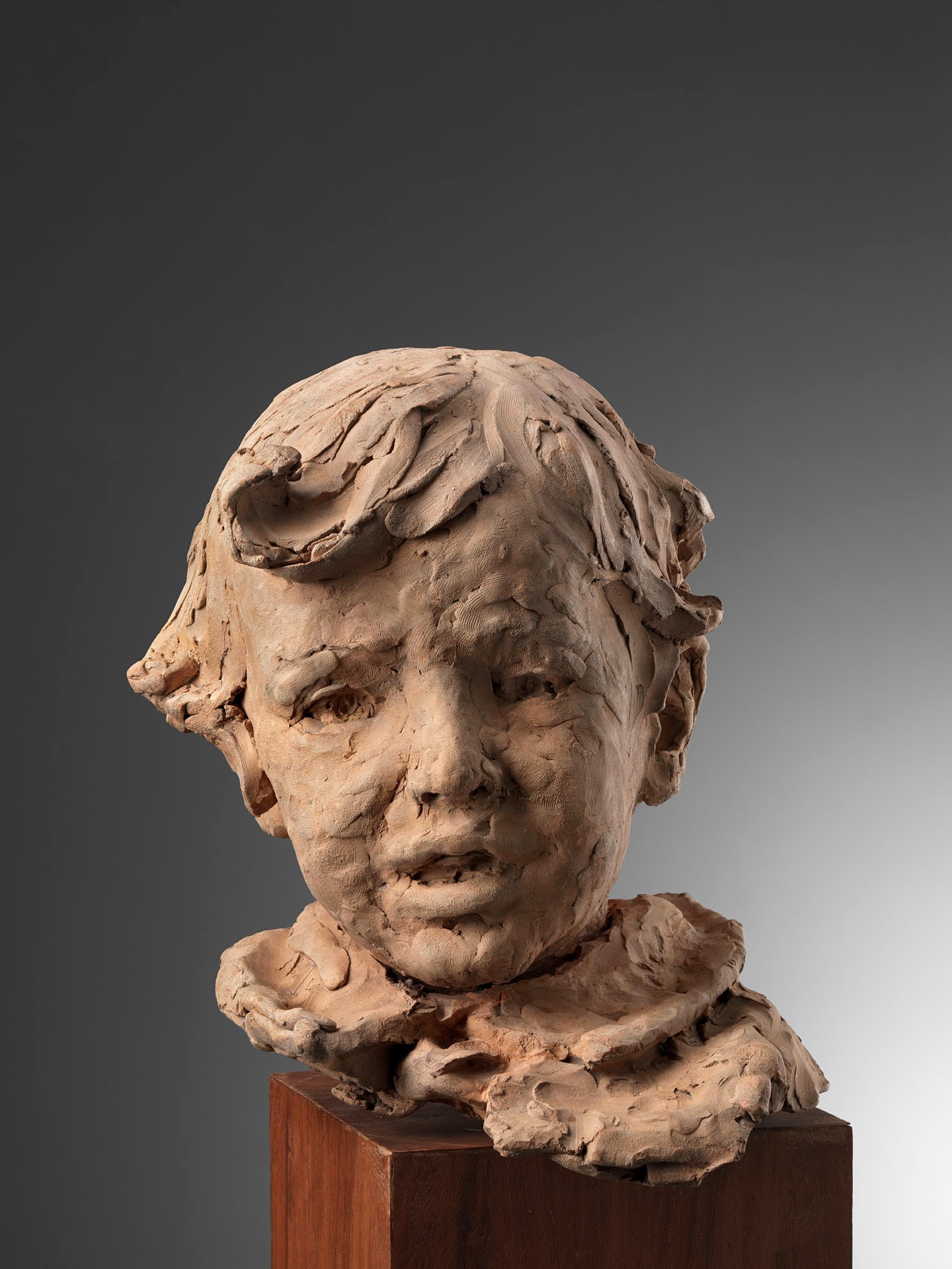
.Only a few gallery owners, however, decided to make disclosure on sales and prices: a Biscuit porcelain from Naples from the Campobasso Gallery changed hands for 15 thousand euros, a painting by Cagnaccio di San Pietro was offered by the Berardi Gallery for around 14 thousand euros. Galleria Alessandra Di Castro sold a polychrome marble marquetry for €45,000 and a Portrait of a Child by Medardo Rosso found a new home, offered by Galleria Botticelli for around €200,000. The Turchi Gallery sold aa 16th-century Milanese embossed shield for €25,000 and a staff for €10,000. Gallery owners often claim that it is the collector-buyers who are reticent about the transparency of their purchases, often only making them public on social media. In short, the issue of the lack of disclosure of collectors' sales remains an old Italian limitation, which has been cleared through customs at other international fairs and by many gallery owners beyond the Alps.
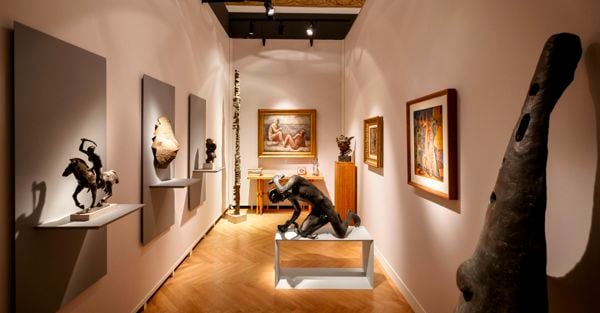
Organised by the Associazione Antiquari d'Italia, the event confirmed itself as an important cultural and commercial appointment for the Italian market. "The second edition of Arte e Collezionismo was a great success in terms of audience and sales," reiterated the president of the Associazione Antiquari d'Italia, Bruno Botticelli, the first to disclose sales, an example to follow. Institutions, private visitors, Italian and foreign collectors expressed their enthusiasm for the new experience in the capital in a space of high artistic prestige. These days confirmed that it was necessary to build a permanent appointment, doubling the exhibition offer of antiquarians in Italy (already the Florence Biennale Internazionale dell'Antiquariato gives appointment from 26 September to 4 October 2026, ndr). The appointment is now set for 2027 with many new ideas'.