
Art as a cultural bridge
Gayane Umerova talks about Uzbekistan's new creative scene: the Bukhara Biennial as a centre of intellectual exchange and a driver of sustainable development

4' min read
4' min read
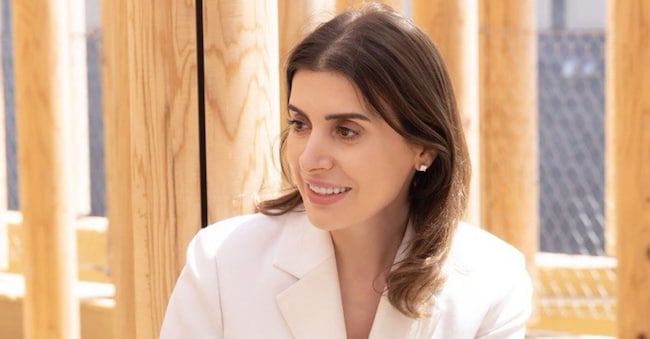
Uzbekistan, a country with a rich culture and history, has undergone remarkable economic development in recent decades. The legacy of the Soviet Union and its own reform efforts have helped transform it from an agricultural economy to one based on industry and services. A crucial aspect of economic development are efforts to diversify its economy and reduce dependence on traditional exports such as cotton through investments in energy, technology, tourism and culture. Spearheading the cultural transformation is Gayane Umerova, president of the Uzbekistan Art and Culture Development Foundation (ACDF) established in 2017 who plays a key role in shaping the Uzbek art scene, as well as being Commissioner of the Biennale. In this interview, he explains how he is helping to redefine the country's cultural image on the world stage and his strategic vision and commitment to the enhancement of contemporary art.
Why the Biennial?
This initiative is a natural extension of the ACDF's ongoing work to support Uzbek artists, designers and craftspeople on the global stage, and as Commissioner, I am honoured to welcome creatives and visitors from around the world to Uzbekistan for our country's first international biennial. We are privileged to bring the world to Uzbekistan, providing a platform for a meaningful artistic and cultural exchange. For centuries, Bukhara has been a thriving centre of trade, crafts and intellectual life - a legacy recognised today by its status as a UNESCO Creative City for Crafts and Folk Art. In addition to celebrating our artistic heritage, the Biennial is a key step in strengthening Uzbekistan's creative infrastructure, supporting local and international artists and promoting a sustainable creative economy. We believe that by amplifying our culture on an international scale, we can create new dialogues, inspire new perspectives and contribute to a dynamic future for the arts in our region and beyond.
When did the project start?
The Bukhara Biennial was initiated by the Uzbekistan Arts and Culture Development Foundation as part of its broader mission to promote and preserve Uzbekistan's cultural heritage. While the ACDF was founded in 2017 and has initiated numerous large-scale cultural projects across the country, including the reconstruction of the State Museum of Arts and the creation of the Centre for Contemporary Arts in Tashkent, the Biennial itself is a more recent initiative designed to amplify Bukhara's artistic and historical significance on a global scale.
The Biennial inaugurates a permanent project for the city of Bukhara: can you tell us about it?
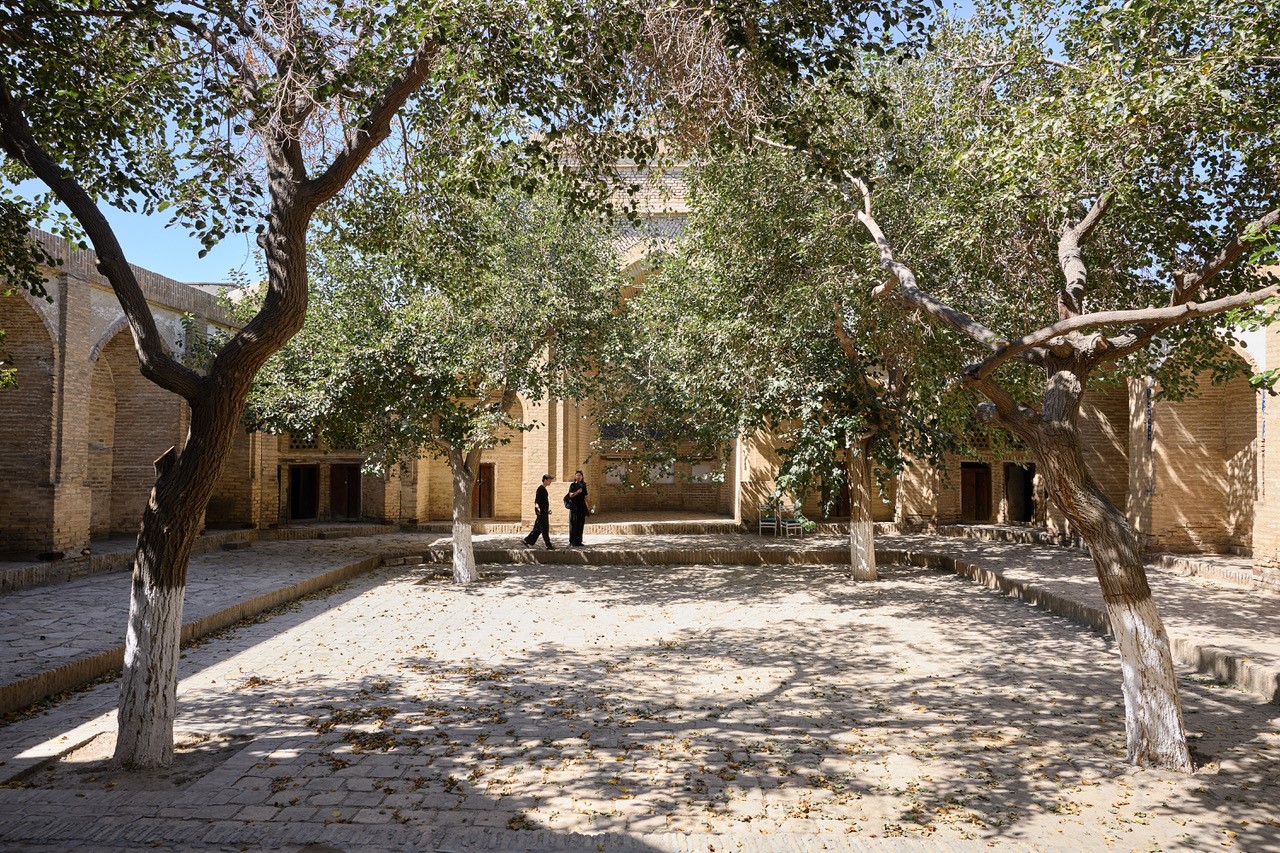
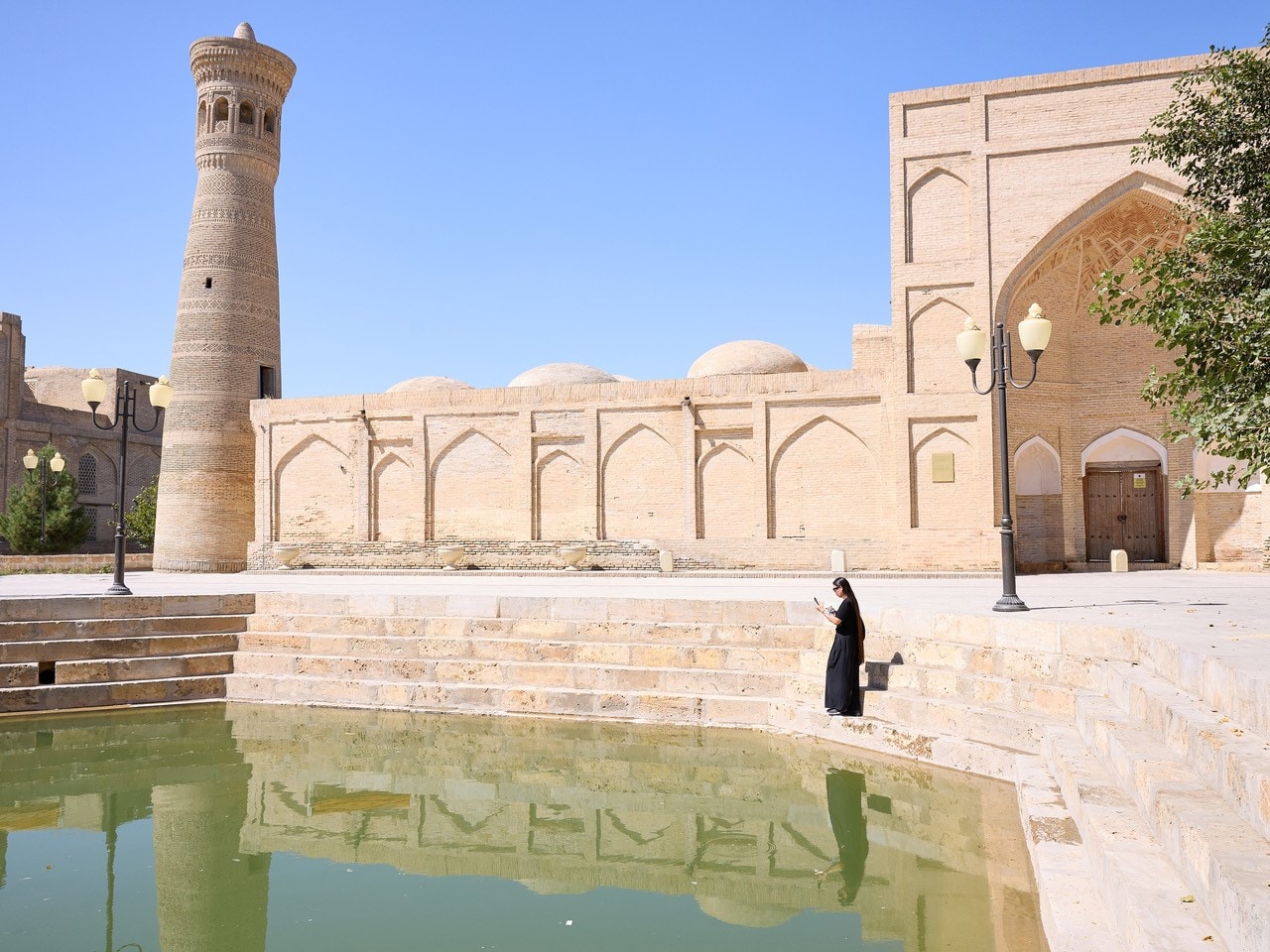
The Bukhara Biennial is more than just an exhibition: it marks the beginning of a long-term transformation project for the city. With this inaugural edition, we are laying the foundations for an evolving cultural district that will not only celebrate Bukhara's artistic heritage, but actively contribute to its future for years to come. This initiative is designed to revive the city's historic craft trade, reconnect its rich heritage to the world and preserve its remarkable architecture, including four caravanserais, the Gavkushon Madrasa, the former Khoja Kalon Mosque and the Rashid Madrasa. Between the biennales, the cultural district we are developing will be an ever-expanding ecosystem for creativity, with projects for artist studios, a music school, a digital archive tracing the history of Uzbekistan, a fine arts museum and an exhibition space housed in a 1920s water tower. This project is based on the conviction that culture is a driving force for sustainable development, benefiting not only artists and cultural workers, but also the entire city community. We are very excited about this long-term commitment.
Could you tell us about the art scene, developments and trends, and future expectations?
Bukhara has long been a centre of artistic and intellectual exchange, shaped by its role as a key hub along the Silk Roads. In recent years, we have seen a renewed energy in the region's art scene, with contemporary artists drawing on this rich history while pushing new ideas. For example, the Bukharian artist Oyjon Khayrullaeva draws on the city's history: she will present a video in which her grandmother and aunt share ancestral knowledge about traditional remedies, including the use of mud from Bukhara's crumbling walls for skin healing - her work exemplifies how contemporary art in the region continues to be deeply rooted in tradition while exploring new interdisciplinary narratives.

