Art Cologne defends itself despite political crisis and fear of recession
In a subdued art market the event has the support of German museum institutions, local collectors, both supporters of German artists

5' min read
5' min read
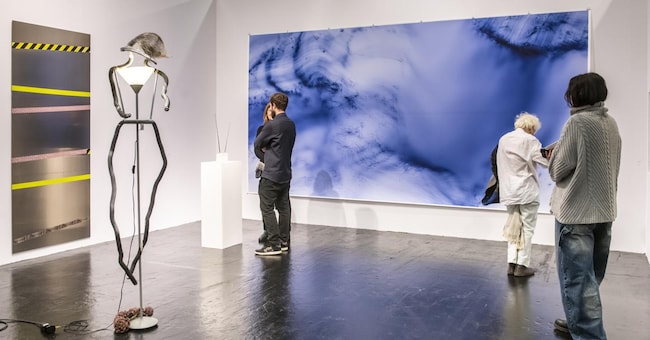
The 57th edition of ART COLOGNE from 7 to 10 November coincided with a heavy political crisis that culminated in the opening days with the dismissal by Chancellor Olaf Scholz, of Finance Minister Christian Lindner. No compromise could be found to overcome the rifts over economic policy Scholz will ask for a vote of confidence in mid-January and then go to early elections in March. In the meantime, the country is, for the second year in a row, on the brink of recession, but all these worries about the future of the country do not seem to have had a negative effect at Art Cologne. There was no shortage of collectors and also no shortage of buyers despite the current slowdown in the art market. The strength of this fair is that it can count on museum institutions, public and private, which have a budget for purchases and primarily support German art. Thus, even in a subdued market, demand at Art Cologne was particularly buoyant with an attractive offer favoured by prices, which for most works, hover between five and six figures, a market segment that is also accepted by art lovers on a tight budget.
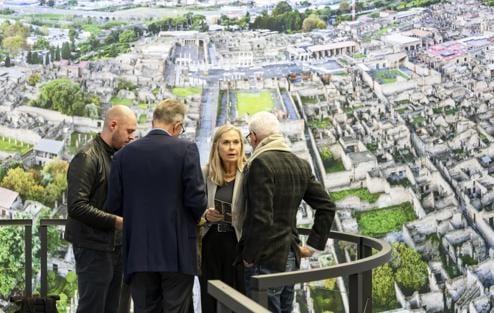
This year the number of gallerists is about the same as last year (175 from 24 countries) but the real novelty is the increased presence of galleries in the Neumarkt section, where galleries with no more than 13 years of activity can enter.
"The demand for young galleries has increased enormously," said the fair's director, Daniel Hug, "the Neumarkt section is international and offers interesting young discoveries, this is the future, outdated rules are outdated and anyone with a good programme will be invited, regardless of how many years the gallery has been active.
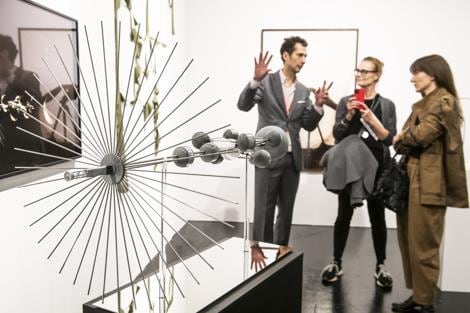
Despite the many political uncertainties in the world, such as the re-election of Donald Trump and the possibility of trade wars with the imposition of duties already announced by the next US president, Hug painted a relatively stable outlook for both the art market and the fair. 'The presidential election will have a minimal impact,' he explained, 'under Trump the rich Americans will pay less tax in the long run and thus have more wealth to invest in art, unfortunately there is no shortage of crises and there is always the war in Ukraine. The fair,' continued Hug, 'has a large base of passionate collectors who focus on art for the love of art and not for the market,' concluded Hug, who also stated that he is thinking of organising an edition of Art Cologne on a Mediterranean island in the coming years.
Returning to the German market, it should not be forgotten that from next January, art purchases in Germany will benefit from the reduction of VAT to 7% from the current 19% after numerous requests and reminders to the government by gallery owners. The hope among insiders is that the current political crisis will not slow down the approval process expected in the coming weeks.