Art from around the world, rarities and rediscoveries at Frieze Master
Over 140 galleries from 33 countries across all continents, including Australia, were in attendance. Collectors and museums were making purchases.


Key points
Launched as a companion fair to the one dedicated to contemporary art, Frieze Master has now established itself as a key event on the international art fair calendar, attracting an international audience to London from 14 to 18 October. Having overcome the uncertainties linked to Brexit and the pandemic, the fair has further emphasised its openness to the wider world beyond the European continent, capitalising on the global spirit that continues to thrive in the British capital, partly thanks to its colonial past.
A window on the world
This diversity of stories and cultures is reflected in the more than 140 galleries from 33 countries across all continents, including Australia, with D LAN Galleries presenting works by the Indigenous artist George Tjungurrayi (prices ranging from a few tens to a few hundred thousand pounds).
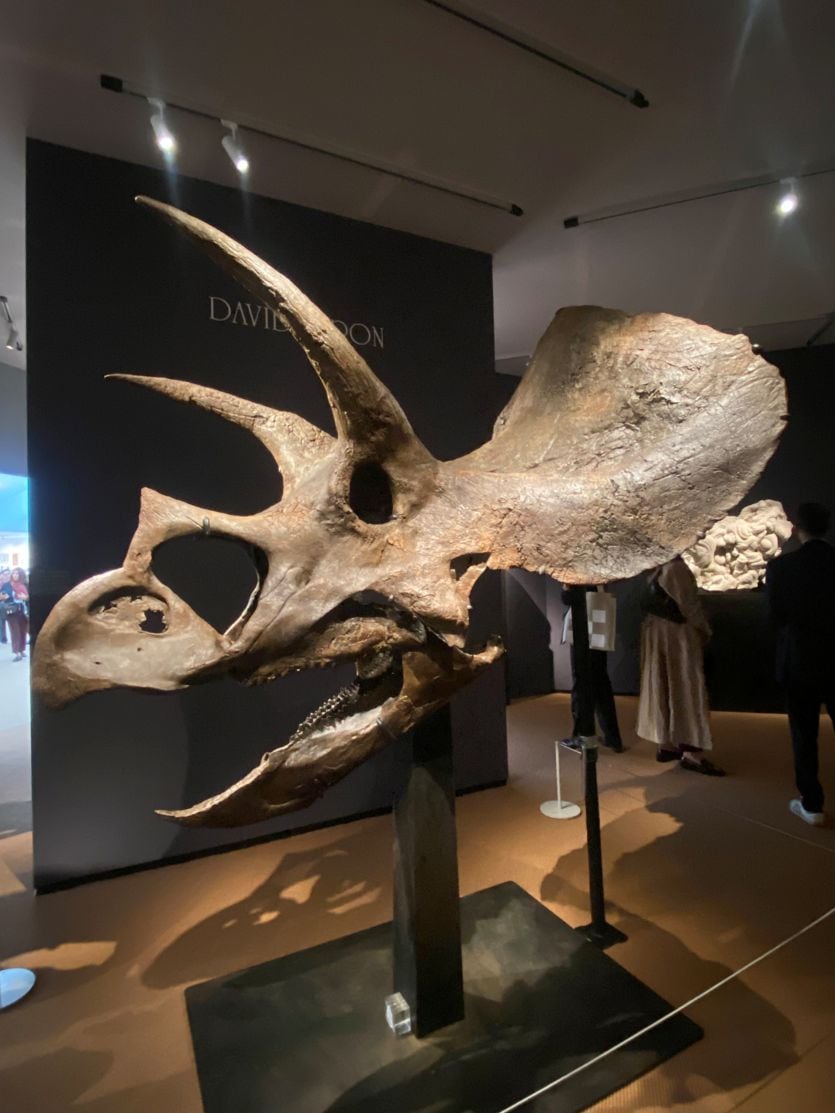
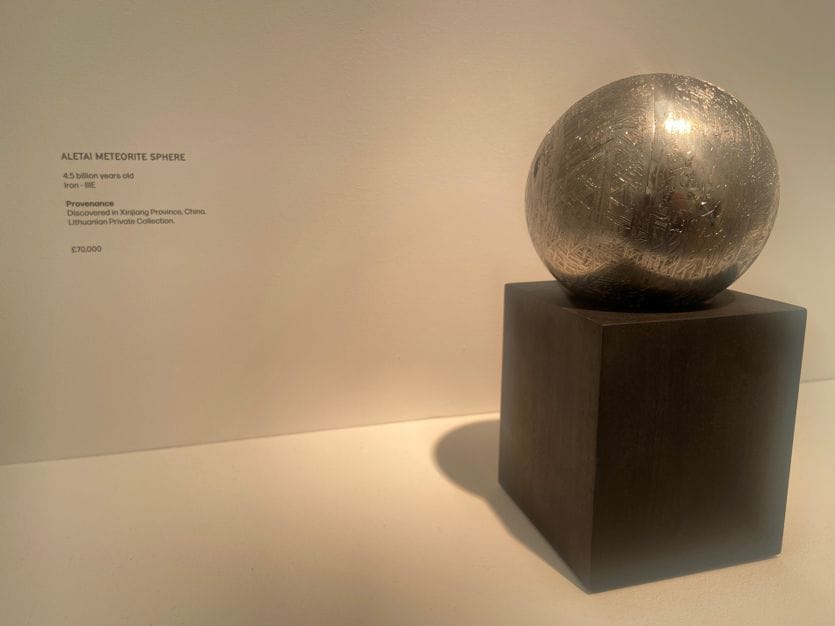
In terms of categories, the range extends from a piece of meteorite dating back 4.5 billion years (from ArtAncient, priced at under 20,000 pounds) to classical Egyptian, Greek and Roman art, offered by various gallery owners, notably Charles Ede with a selection of ancient Roman glassware ranging from a few thousand to 20,000 pounds, and David Aaron, with prices reaching up to several hundred thousand pounds, right through to 20th-century works, featuring several pieces priced in the millions, as well as rediscovered pieces starting from ten thousand pounds.
The ‘vetting’ process – that is, the verification by independent experts of the accuracy of the information regarding the works on offer – encourages buyers to explore categories that are not immediately familiar to them. This is a very important factor, particularly for works by the great masters of Western art, which remain at the heart of the fair’s vision, as championed by the Italian Emanuela Tarizzo, an expert in the field, now in her second edition.
The Success of Diversity
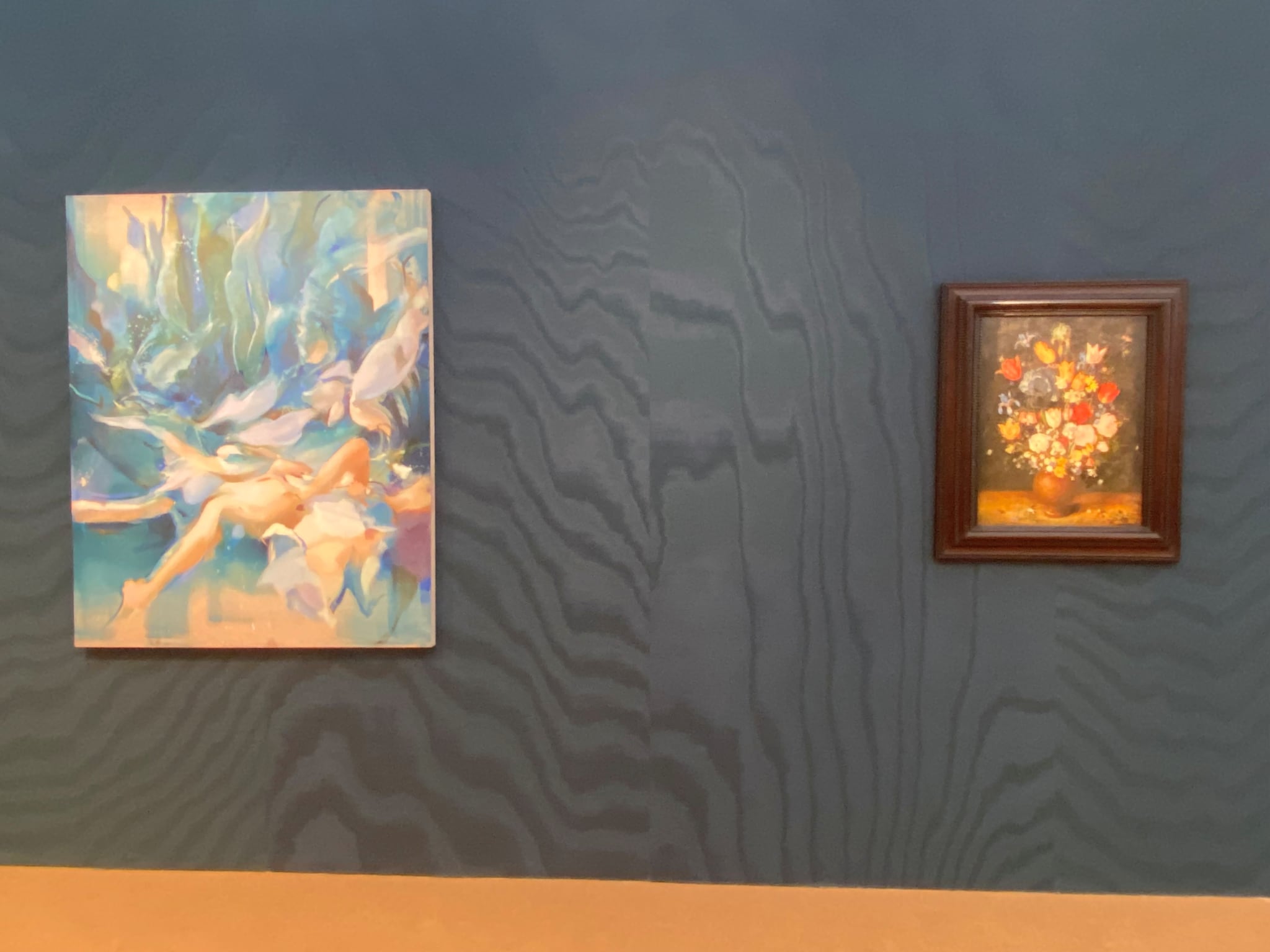
Confirmation of the success of this ‘bridging’ approach across different areas of collecting is illustrated by the sale of a painting that greets visitors as they enter: the mega-gallery of modern and contemporary art, Hauser &Wirth ‘sold’ a ‘Floral Still Life’ by Jan Brueghel the Elder for around 5 million pounds; this medium-sized work, dating from 1607–08, is prized for the finesse of its details and its rarity. However, its display alongside a decorative painting by the contemporary artist Flora Yukhnovich did not result in the sale of her work, which commands hundreds of thousands of pounds, despite lacking the element of rarity and historical significance found in the older works that inspired it. Contemporary art prices make historical works seem relatively affordable, such as those presented by Sam Fogg, an English gallery owner specialising in medieval art, who sold a set of five unusual decorative Moorish ceramic plates produced in Spain in the 15th century to the same collector, whilst one of the most sought-after items, a bronze censer in the shape of a chimera of Persian origin, is still seeking a buyer at a price of over half a million. Not to be missed is a refined 13th-century Limousin ‘chasse’ reliquary (asking price 150,000 pounds).