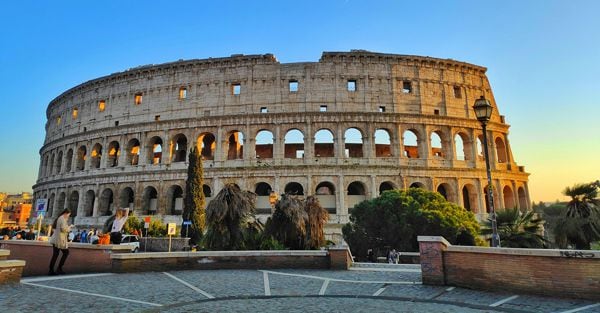
Art drives travel in Italia
According to the Report Cultural Tourism in Italia 2026 (The Data Appeal Company), 28.4% of those arriving in our country are attracted by art and heritage, followed by nature (16%) and active tourism (15.3%)
Italia continues to be chosen above all for its culture: 28.4% of travellers indicate art and heritage as their first travel motivation, well ahead of nature (16%) and active tourism (15.3%). A record that confirms the country's role as the world capital of the cultural experience. This is one of the findings of the latest Report Cultural Tourism in Italia 2026 by The Data Appeal Company, part of the Almawave Group, presented at 'tourismA, the Archaeology and Cultural Tourism Exhibition'. The analysis is based on the processing of some 8.6 million digital contents on cultural tourism in Italia in 2025. For the first time, the semantic analysis was carried out with AI integrated in the Data Appeal platform, capable of reading and interpreting reviews on destinations and cultural points of interest in real time, identifying themes and nuances with extreme precision.
Art cities in pole but growing popularity of small towns
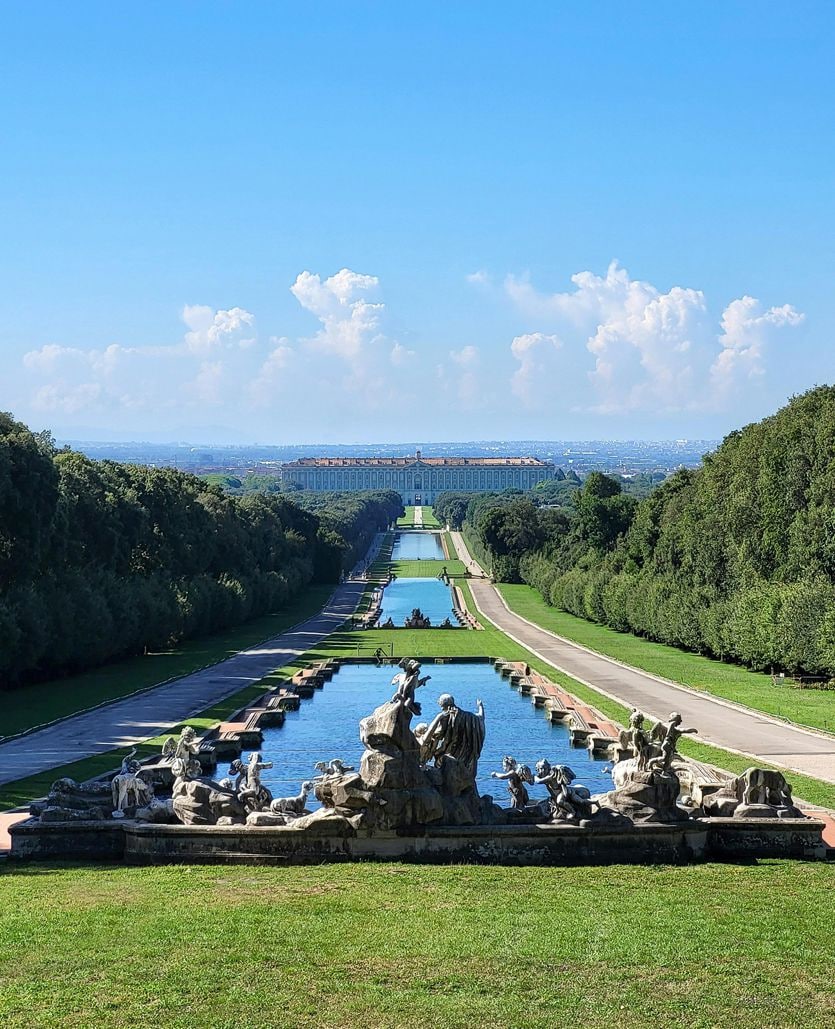
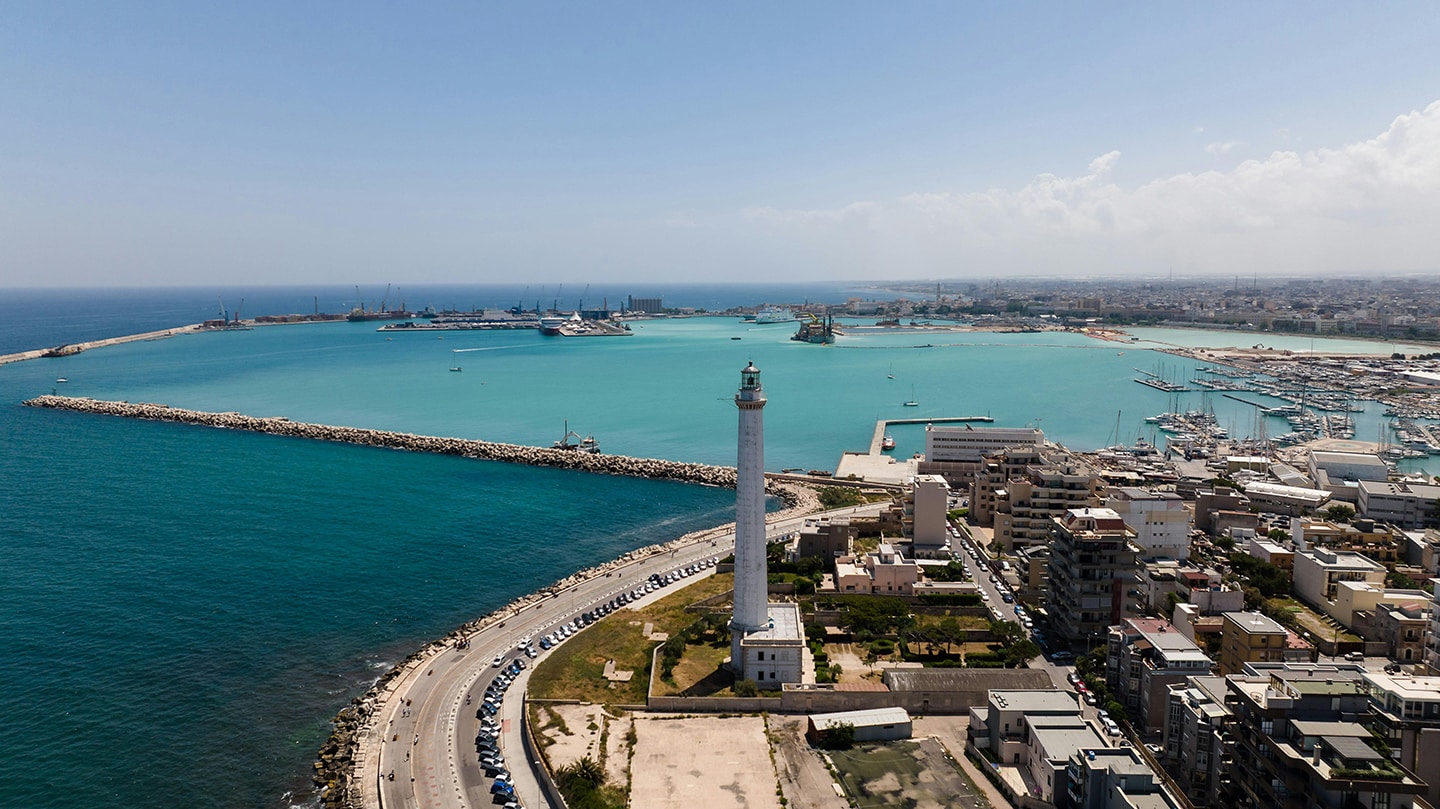
All the major cities of art from North to South enjoy a positive and growing approval rate. But in addition to the 'usual favourites' (such as Rome, Venice, Milan and Florence), smaller centres, such as Siena and Assisi, and the cities of Southern Italy, which are experiencing a boom in cultural attractiveness, also emerge among the visitors' favourites. Among the large cities of art in Southern Italia, Caserta and Bari stand out as the most popular. It is no coincidence that the Reggia di Caserta and the Sansevero Chapel Museum in Naples are among the most highly rated public and private museums in Italy in 2025.
Culture, Cuisine and Hospitality
The success of cultural destinations depends not only on the beauty of the venues, but on the overall experience, which is also characterised by an exceptional culinary and hospitality offer, with restaurants, venues, accommodation and short breaks all showing a growing appreciation rate. The attractions of the cities of art all record satisfaction levels above the national average.
Interactive museums
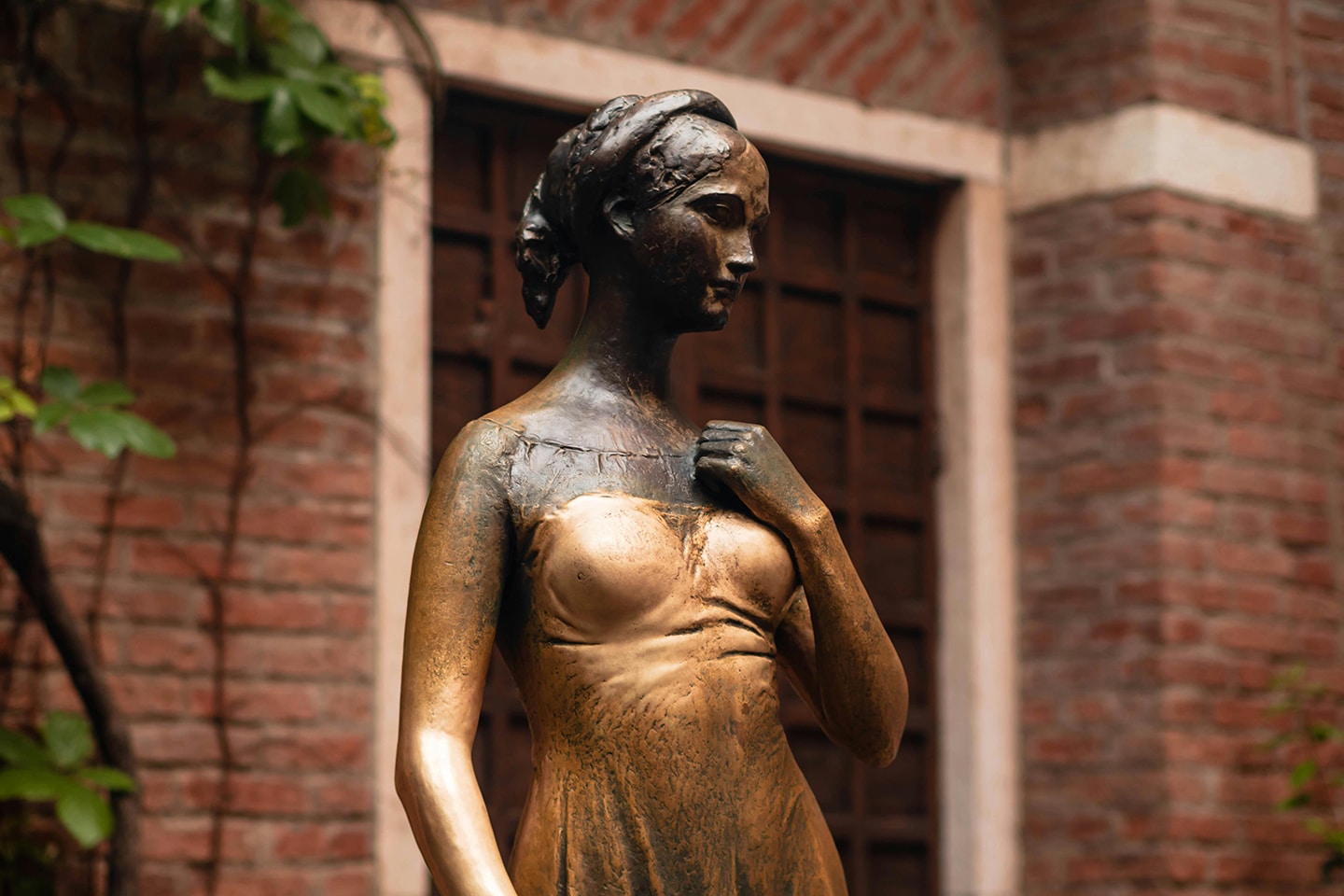
An analysis of the sentiment expressed by tourists in online reviews reveals strengths and weaknesses of the cultural sector. Museums that are characterised by strong interactivity demonstrate greater attractiveness and visibility. At the strategic level, this aspect can become an effective lever to reduce and manage other critical aspects, in particular costs, cleanliness and waiting times. It is no coincidence that the ranking of the most reviewed and appreciated public and private museums in Italy in 2025 sees the Interactive Leonardo da Vinci Museum in Florence at the top with over 21,400 online contents, ahead of the Vatican Museums (18,000) and the Archaeological Park of Pompeii (9,500). The Juliet House in Verona records the strongest growth in reviews (+19.1% in one year). Museums in general appreciate digital tools, which are now crucial to understand the needs and expectations of visitors, to improve the levels of use and accessibility, and to promote lesser-known museum realities, offering alternative proposals and itineraries compared to the more established ones.
The most popular attractions
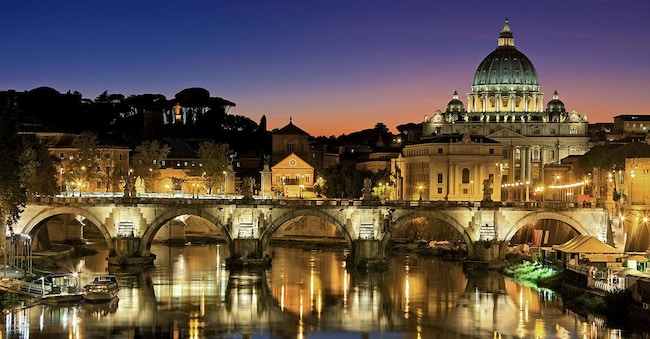
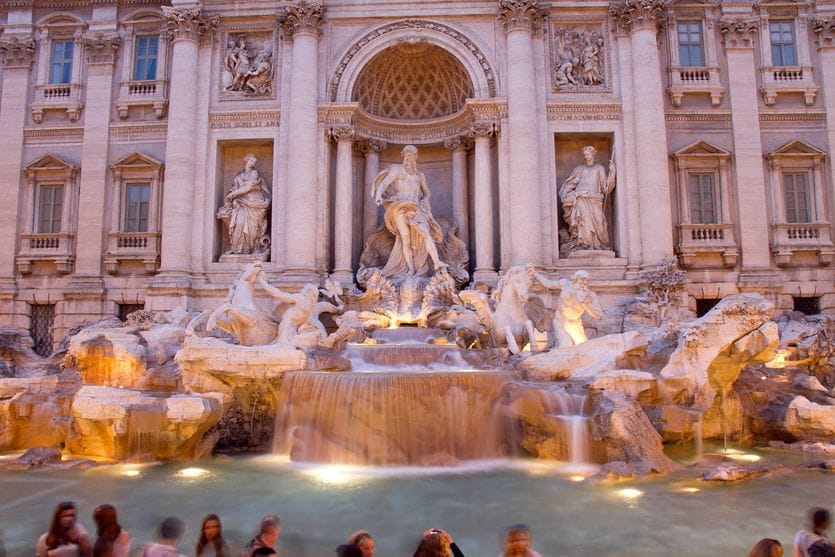
Rome is confirmed as the cultural city with the highest density of reviewed attractions. The Trevi Fountain is in first place and records the highest increase in reviews in 2025 (+67% year on year), followed by the Colosseum and Milan Cathedral. For the first time ever, the Vatican attractions were included in the analysis: St. Peter's Basilica, in third place, and the Vatican Museums, in eighth place.