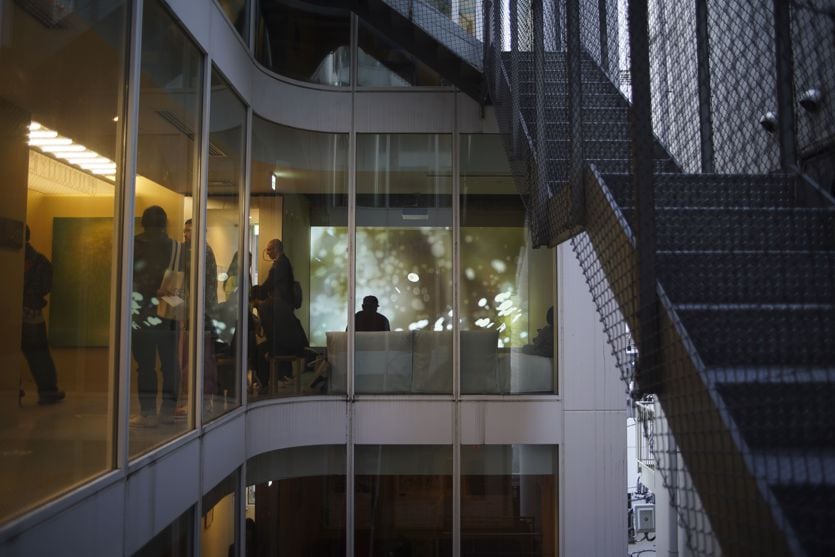
Tokyo Art Week draws international attention to Japan
Galleries and museums are joining forces to promote local art and integrate it into the global art scene through a programme supported by the government and the city

Key points
International interest in the Japanese art scene is growing. At the fifth edition of Art Week Tokyo, the art week (4–6 November) founded by gallery owner Atsuko Ninagawa together with collector Kazunari Shirai, a great enthusiast of post-war Italian art, promoted and funded by the city and the government and organised in collaboration with partners such as Art Basel, was attended by numerous collectors and representatives of institutions from all over the world, from Asia to America and Europe (including the director of Munich’s Haus der Kunst, the Italian Andrea Lissoni).
Since 2021, the event has succeeded in putting Japan on the global art calendar, partly thanks to its co-location with the Art Collaboration Kyoto (7–9 November) and other events in the region: last week saw Taipei Art Week (24 October–7 November), whilst next week sees the fairs in Shanghai: West Bund Art & Design (10–15 November) and Art 021 Shanghai Contemporary Art Fair (11–14 November). Next year, the programme will expand even further, when the Tokyo Gendai will also take place at the same time, having moved its dates to November (so far, it has not yet managed to attract international attention, partly due to inconsistent quality).
Exhibitions in museums
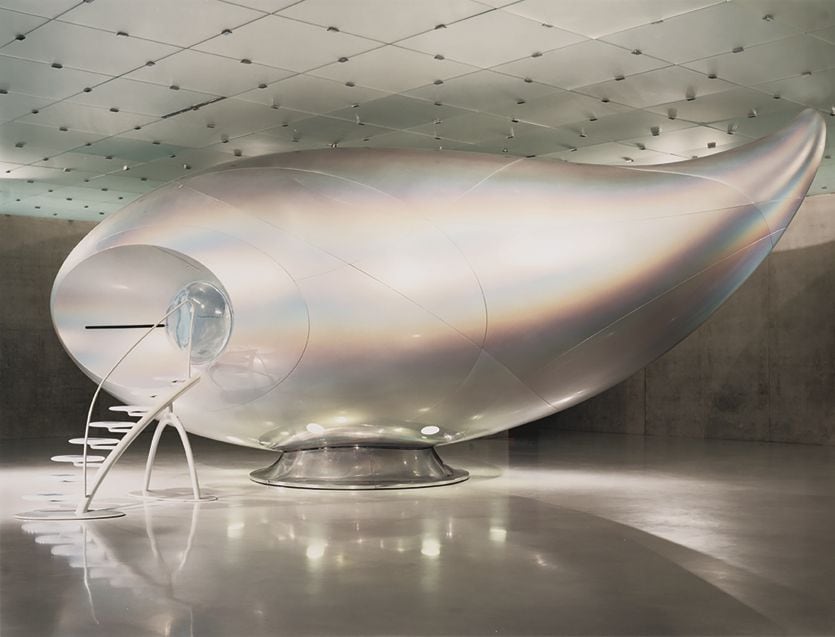
The week features more than 50 events, both institutional and commercial. For galleries, the event aims to offer an alternative to art fairs, but there are also many major museum exhibitions. This year, one of the key figures was Mariko Mori at the Mori Art Museum (the museum takes its name from the fact that it was founded in 2003 by the property developer and patron Minoru Mori, the artist’s uncle). Born in 1957, Mariko Mori has been celebrated as a pioneer in the critical use of ‘kawaii’ aesthetics (that Japanese concept of ‘cute’ which, however, also encompasses a sense of vulnerability) and pop culture to deconstruct gender and social stereotypes, and for her ability to blend high technology, neuroscience and spirituality to create immersive and participatory artistic experiences.
At the National Art Centre, on the other hand – a government-run museum founded in 2007 in an avant-garde building designed by the architect Kisho Kurokawa – there is an exhibition of paintings from the Louvre running alongside another featuring three historic Japanese manga artists, Moto Hagio, Ryoko Yamagishi and Waki Wamato, a juxtaposition which, whilst it may come as a surprise on the one hand, on the other highlights the importance of this art form in Japanese aesthetics and culture (the Brooklyn Museum of Art is also currently hosting a manga exhibition featuring eight artists – four men and four women – which is the largest ever staged in America and highlights the genre’s immense influence worldwide; it runs until 31 January 2027).
The support system
To promote the Japanese art scene, Art Week invited 20 international curators, involving them in a tour of the exhibitions and public talks. The results are tangible: the field research carried out last year contributed to the exhibition “Kaihō. Japanese Women Artists after 1945’, currently on display at Mudam in Luxembourg (until 14 February 2027), whilst this year representatives from the Fondation Cartier were present for a forthcoming exhibition on the Mono-ha movement.