
Artificial Intelligence, Foncoop allocates 6 million for company training
The budget also includes funding for projects on generational diversity as a factor driving growth and openness to innovation.

2' min read
Key points
2' min read
In the current scenario in which digital and ecological profoundly redefine production and organisational paradigms, continuous training is the key lever to sustain change. The double transition is no longer a challenge of the near future, but an urgent necessity of the present, calling companies to a structural rethinking of skills, roles, working methods and internal culture.
Six million for training
In response to this challenge, Foncoop is launching an initiative that makes €6 million available to support training courses focusing on artificial intelligence and the human factor, as well as on generational diversity as a factor driving growth and openness to innovation.
The Governance of Artificial Intelligence
.Foncoop (Fondo paritetico interprofessionale nazionale per la formazione continua nelle imprese cooperative e nelle realtà dell'economia sociale e civile) recognises that technological evolution is a strategic opportunity for enterprises, however, it is necessary that Artificial Intelligence is introduced and governed with a widespread awareness of the benefits as well as the risks, strengthening the skills for an effective, integrated, articulated use. Therefore, training paths that enhance the complementarity between digital innovation and work are promoted.
The culture of human-machine collaboration
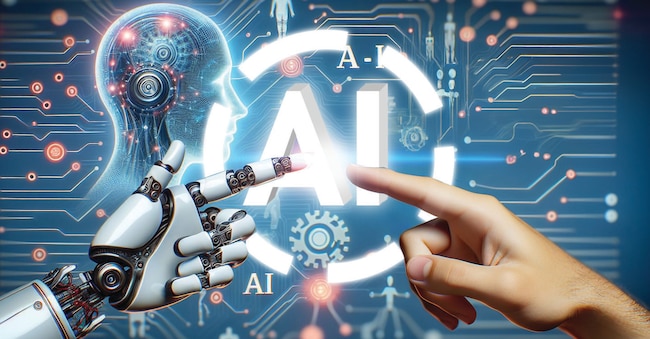
.'Supporting the conscious adoption of Artificial Intelligence does not only mean training digital and technical skills,' says Foncoop president Marco Menni, 'but also cultivating critical, ethical, relational and creative skills. It means promoting a culture of human-machine collaboration, where artificial intelligence does not replace human beings, but enhances them'.
The richness of generational diversity
Alongside the digital transformation, the Notice launched recognises the centrality of the intergenerational richness within organisations and companies, where at least four active generations interact on a daily basis on the basis of their respective - and often distant - expectations and visions of work and skills. Managing this diversity is a crucial challenge, but also an opportunity to build more dynamic, agile and creative organisational models. Through tools such as reverse mentoring, peer training and joint refresher courses, companies can turn age differences into a concrete competitive advantage by setting up governance that enhances the meeting and exchange between generations.

