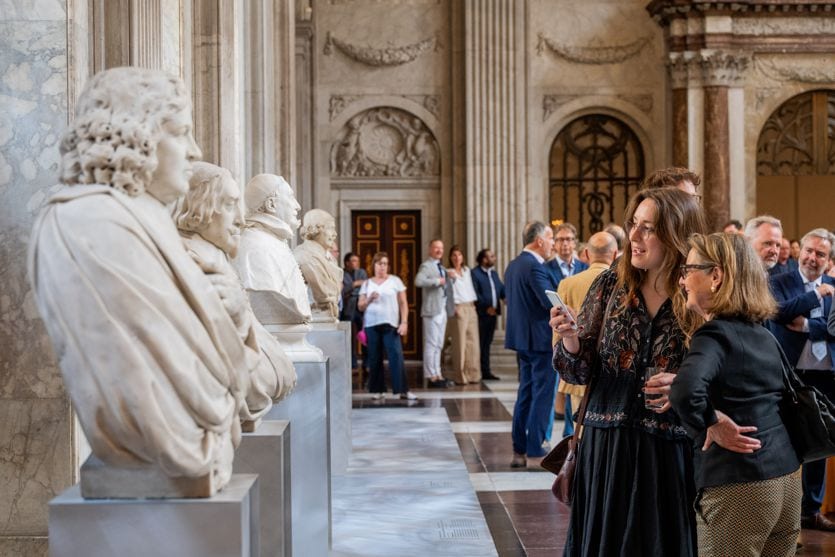
Artus Quellinus: major retrospective on the Baroque master in Amsterdam
The exhibition dedicated to the sculptor can be visited at the Koninklijk Paleis until 27 October 2025

2' min read
2' min read
On the occasion of the celebrations for the 750th anniversary of the founding of the city, the Royal Palace of Amsterdam is hosting the first retrospective dedicated to one of the greatest protagonists of Baroque sculpture in the Netherlands: 'Artus Quellinus. Sculptor of Amsterdam' 'forgotten' art in Protestant Holland
Artus Quellinus (1609-1668), a native of Antwerp and dubbed the Bernini of the North, was considered the most important sculptor of his time in the Dutch Republic and the Spanish Netherlands and today his name is inextricably linked to the ceremonial Royal Palace in Amsterdam, a building constructed in the 17th century as a town hall: an imposing civic architecture that he transformed, with more than one hundred monumental sculptures, into a true masterpiece of symbolic narrative. Of his fifteen years of work in the Netherlands, an extraordinary body of work remains, masterfully blending Flemish Baroque drama with the classical balance of Italian art, learnt during his stay in Rome.
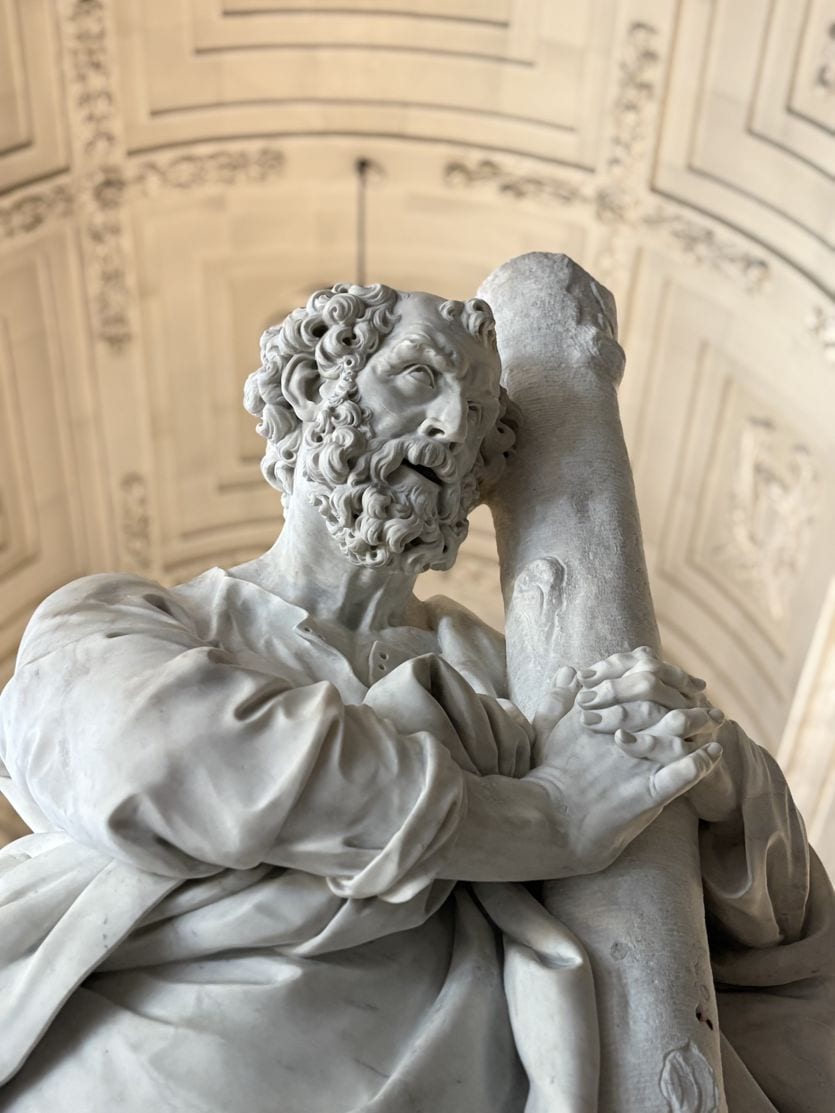
St. Peter from St. Andrew's Church in Antwerp
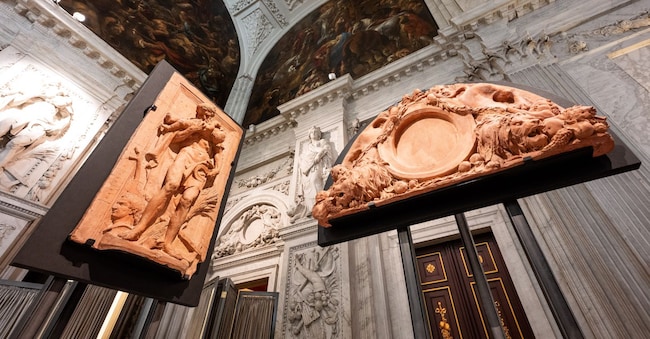
.This exhibition, a collaboration between the Royal Palace and the Rijksmuseum, brings together more than one hundred works by Quellinus from museums, churches and private collections throughout Europe. Among the masterpieces are the monumental statue of St. Peter from St. Andrew's Church in Antwerp and the imposing fountain with the goddess Athena from the Kurhaus Museum in Kleve, Germany. Particularly interesting is the temporary return of the sculptures depicting the regents of Amsterdam, according to Taco Dibbits, Director of the Rijksmuseum, inspired by the figures of Roman senators and a sign of the transition period between Catholicism and Protestantism. The busts, sculpted by Quellinus for the Hall of Citizens, thus regain their original location.
There is no shortage of smaller works, including refined busts, elegant works and studio terracottas, which testify to the sculptor's extraordinary technical skill and artistic sensitivity. Also on display are examples of the influence Quellinus exerted on his contemporaries and pupils: works by François du Quesnoy, Lucas Faydherbe and his successors Rombout Verhulst and Giusto Le Court, who spread his style as far as Venice.