
The artwork saved by the Monuments Men goes to auction at Christie's
Portrait de femme à mi-corps by Nicolas de Largillière, a symbol of the recovery of cultural heritage during the Second World War, proposed on 21 November. Will the French State let the portrait out of the country?
3' min read
Key points
3' min read
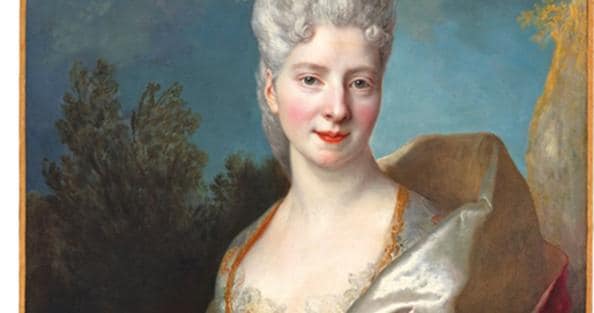
Christie's in Paris will auction an important portrait by Nicolas de Largillière, 'Portrait de femme à mi-corps', on 21 November. Lot 27, estimated between €50,000 and €80,000, portrays a woman in noble dress, with porcelain skin and silver hair, representing the refined style of the French painter active at the court of Louis XIV. Largillière is known for his portraits of French nobility, and this work expresses the elegance typical of his artistic production.
A piece of World War II history
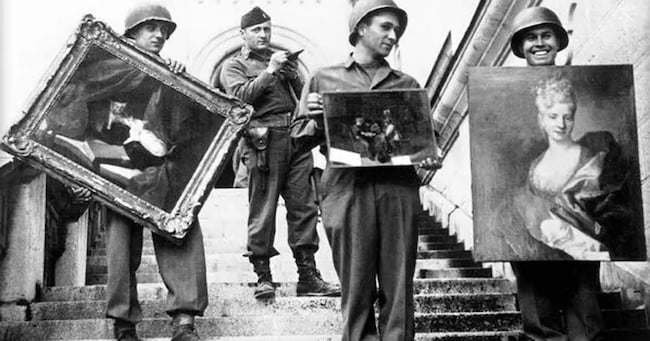
.This painting is not only an example of Baroque art, but a symbol of the devastation and subsequent recovery of cultural heritage during the Second World War. The painting belonged to the Rothschild family who suffered devastating persecution during the conflict. Philippe de Rothschild, a well-known winegrower and patron of the arts, tried to protect his works, but was arrested by the Vichy government and his collection confiscated. The painting in particular was sent to the castle of Neuschwanstein in Germany, a notorious repository of looted works of art. Curator Rose Valland, an employee of the Jeu de Paume museum and a spy for the French resistance, monitored Nazi operations, copying documents indicating the looted works and their locations. It was thanks to Valland that the Monuments Men managed to find the painting after the liberation of Paris and returned it first to France in 1945 and then to Baron Henri de Rothschild in 1946. In 1978, the heirs sold it at auction at the Palais d'Orsay where it was bought by the current owner. The historical value of 'Portrait de femme à mi-corps' goes beyond art: this painting encapsulates the drama of war, the struggle for the preservation of culture and the memory of those who risked their lives to protect Europe's cultural heritage.
The Role of the Monuments Men
.The Monuments Men, a special unit of the US Army during World War II, played a key role in recovering works of art looted by the Nazis, including Nicolas de Largillière's 'Portrait de femme à mi-corps'. Their task was to identify, protect and return stolen masterpieces, preserving Europe's cultural heritage. The book byRobert Edsel, 'The Monuments Men: Allied Heroes, Nazi Thieves, and the Greatest Treasure Hunt in History', documents this heroic effort, highlighting the challenges and importance of this historical work. The book's cover depicts the historic image of the Monuments Men returning the painting to its rightful place and symbolises the efforts to preserve European heritage. Led by figures such as Captain James Rorimer, and with the help of art historians and curators, the Monuments Men managed to save numerous works, including this Largillière. As explained by Marc Porter, president of Christie's Americas, the value of the painting is not only economic, but lies in the historical depth it represents, as a document of a tragic period but also of cultural heroism.
A historic work for France and beyond
.Looking at this work of art, which symbolised the history of post-war restitution through the Monumnets Men, one wonders whether France will allow it to leave the soil on which it was conceived and to which it returned at the end of the war. For the time being, it seems that the canvas is free of all constraints and can therefore be exported if it is sold by a foreign buyer.

