
Climate change is also affecting shopping habits, with brands rethinking their products and supply chains
According to the ECB, by 2035 the effects of climate change could add more than one percentage point to inflation each year by affecting prices, consumption and business strategies

Key points
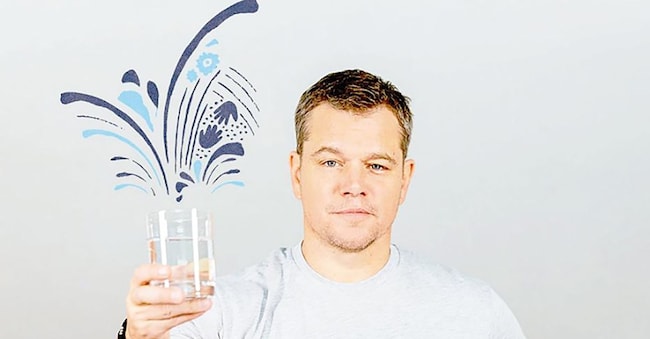
“No single institution can tackle the challenges of our complex and interdependent world on its own.” These words, spoken five years ago by the World Economic Forum to describe the pandemic emergency, are once again highly relevant during this sweltering summer marked by by record-breaking weather events. A collective effort to tackle a systemic challenge. This is the essence of Get Blue, a platform that transforms the water crisis into global mobilisation. Instead of competing for consumers’ attention, companies from different sectors are forging an alliance around a common cause: access to water and climate resilience. You are not buying a product, but contributing to a concrete solution.
Blue becomes a symbol of belonging to a shared cause. The idea is reminiscent of the famous Red campaign promoted by Bono in the 2000s: by purchasing certain products or services, a portion of the proceeds goes towards a social project. Gap has thus created capsule collections, Starbucks has launched special-edition drinks, and Amazon allows you to donate via Alexa. The cause marketing campaign was presented at the World Economic Forum, but the launch took place just a few days ago. The face of the campaign is Matt Damon, co-founder of Water.org. The aim: to turn everyday purchases into support for access to clean drinking water, which is currently denied to 2 billion people worldwide.
Survival strategies
And sothe climate issue is making its way into marketing campaigns. Whilst for years climate change has been portrayed as an environmental issue, today it has even become a commercial reality. This is the paradigm of climateflation, inflation caused by the effects of climate change. Climate change is affecting prices, supply chains and consumer behaviour. According to the ECB, which introduced this concept in a study by the Potsdam Institute, by 2035 climate change could add more than one percentage point to inflation each year. Specifically, this would mean a +3.2% increase in annual food inflation and a +1.18% increase in overall annual inflation.
But these emergencies have already become part of brands’ strategies. Agricultural shocks account for 30 per cent of medium-term inflation volatility in the Eurozone. Whereas marketing used to focus on how to save the planet, today it is shifting towards survival strategies on a changing planet. The climate is no longer just a value to be communicated, but a need to be addressed. This is where new products, new services and new alliances are emerging. ‘This is the shift that has transformed public perception into mainstream awareness: the issue no longer concerns the niche of militant environmentalists, who are often still steeped in anti-consumerism and austerity, but the vast majority of consumers who have experienced first-hand the damage that environmental imbalance can cause in everyday life. Climate change is no longer a political-ideological issue that divides people into opposing camps, but a critical issue felt first and foremost by younger generations”, says sociologist Francesco Morace, co-author of the book *Ma quale GenZ?* published by Egea, who has long argued that consumption patterns reflect societal transformations. “These new needs converge in a magic formula that is as simple as it is powerful: one health. Health and wellbeing have now become a new paradigm that shapes the desires and expectations of all generations,” says Morace.
Teams on the pitch
This commitment cuts across the board. Axa has launched a campaign focused on climate resilience: the emphasis is no longer on saving the planet, but on protecting people, homes and businesses from extreme risks. Heineken outlines its investments in safety measures agricultural supply chains threatened by drought and water stress. The Spanish hotel chain Iberostar has turned ocean conservation into a competitive advantage, safeguarding seagrass beds as part of the tourist experience. Lego is driving research into alternative materials to reduce dependence on fossil-based plastics. The US flooring giant Interface is proposing a paradigm shift with new products that help regenerate the climate. Fashion brands are also at the forefront. The North Face, with Renewed, has launched a range of regenerated products; Timberland, with Nature needs heroes, is focusing on reforestation in urban design; and Nike, with Move to zero, is showcasing trainers designed using recycled materials and production processes with a lower environmental impact.

