
Stock market: Europe set for a cautious start. Oil prices rise sharply
European futures point to a cautious start following yesterday’s weakness, in the wake of falls in Asian markets and on Wall Street

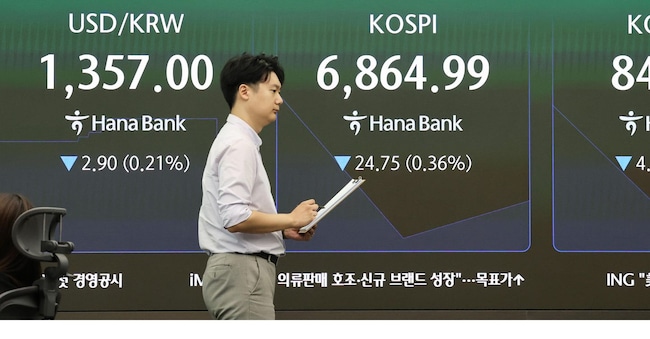
The combination of high oil prices and bond market tensions continues to weigh on sentiment in the equity markets. European futures point to a cautious start following yesterday’s weakness, in the wake of falls in Asia and on Wall Street. Euro Stoxx 50 futures are trading slightly higher, up 0.3 per cent, whilst FTSE MIB futures are lagging behind, trading around the break-even point.
The lack of any signs of a breakthrough in the Middle East has left Brent futures at $107 a barrel, up further (by around +2 per cent), and WTI futures heading towards $94. This continues to fuel inflationary fears, triggering selling in government bonds and, consequently, a rise in yields: US Treasuries have stabilised after reaching their highest level in around twenty years (the 10-year yield peaked at 5.27 per cent, its highest since 2007). The markets fear yet another deadlock in negotiations between the US and Iran over the reopening of the Strait of Hormuz, which remains crucial for global oil transport. Furthermore, they are keeping a close eye on monetary policy and the possibility of an impending monetary tightening by the Fed, whilst ECB President Christine Lagarde has signalled a gradual approach to curbing inflation.
On the currency front, the euro remained close to its weakest level in the last three months, below 1.14 dollars, whilst the greenback is being buoyed by both volatility in oil prices and the rapid rise in Treasury yields. The euro/dollar exchange rate currently stands at 1.1364 (down from 1.1367 at yesterday’s close). The euro/yen exchange rate is little changed at 178.8 and the dollar/yen is just above 157. In the energy market, natural gas fell to 72.3 euros per megawatt-hour (-1.4 per cent).
Bonds are under particular scrutiny at this stage: Asian bonds have followed the decline in Treasuries, whilst high oil prices – caused by tensions between the United States and Iran – have reignited fears of inflation and speculation about further interest rate rises by the Federal Reserve. Texas WTI crude oil is up 1.88 per cent this morning at $94.3 per barrel, whilst Brent is up 2 per cent at $107.
The Reserve Bank of Australia raises interest rates to 4.6 per cent, a 15-year high
The Reserve Bank of Australia has announced a 25-basis-point rise in its key interest rate, bringing it to 4.6 per cent, the highest level in 15 years. The Reserve Bank of Australia (RBA) justified the decision by citing the escalation of the conflict in the Middle East and high global energy prices, which are fuelling inflation. “Global oil supplies have suffered further disruptions, and recent data indicate that growth and inflation in Australia have been higher than expected,” the RBA said in a statement. The central bank highlighted the impact of rising fuel costs on the prices of other goods and services.


