
Assassin’s Creed: Black Flag Resynced is Ubisoft’s biggest gamble
The French publisher is bringing one of the finest and most underrated instalments in the Assassin’s Creed franchise back to life. It’s not just a remake – it’s much more than that

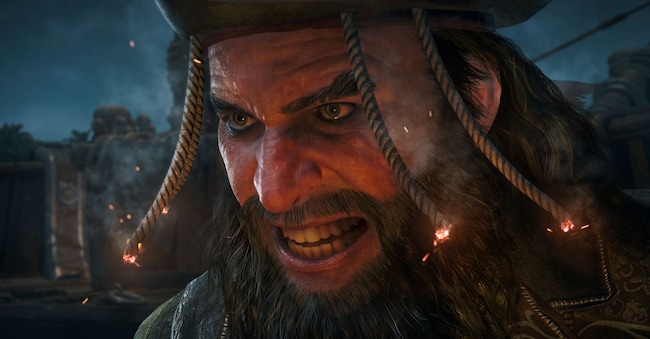
There is a paradox in the world of video games: when the future becomes uncertain, the industry turns to the past. That is exactly what Ubisoft has done with *Assassin’s Creed Black Flag Resynced2*, a remake of the 2013 instalment centred on Edward Kenway. But this is not merely a nostalgia trip. For Ubisoft, this game is much more than that: it is an industrial, technological and financial test. The author has played every *Assassin’s Creed* game and would never have imagined witnessing the decline of one of the most European and intelligent franchises in the history of video games. Yet, thanks to a series of poor decisions by the French giant, that is exactly what has happened.
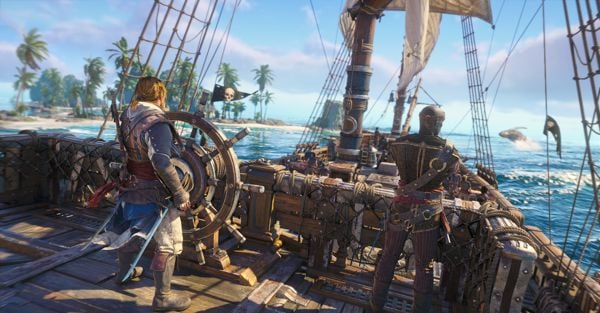
In recent years, Ubisoft has faced a clear crisis. The open-world formula that dominated the market for years has begun to show its limitations: vast maps, repetitive activities, and development costs that are out of all proportion. In short, the Ubisoft model has become a cumbersome, expensive machine that is increasingly difficult to revitalise.
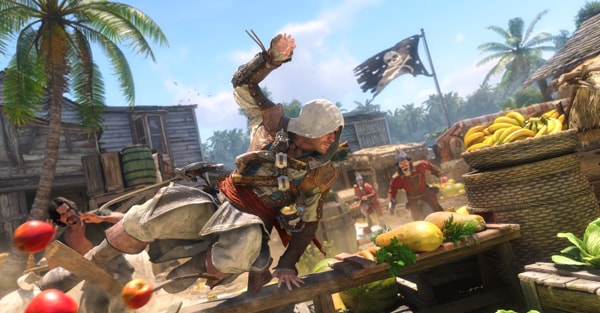
This is why Black Flag Resynced matters so much. Entrusted to Ubisoft Singapore – the studio that developed the series’ naval gameplay – the remake is banking on one of the most beloved instalments to win back the trust of players and investors. The main innovation is technical. The game runs on the latest version of the Anvil Engine, the same engine used in *Assassin’s Creed Shadows*. This means ray-traced lighting, more realistic environments and, above all, cities such as Havana and Kingston that are finally free of loading screens. It’s a change that’s less about aesthetics than it might seem: these days, smooth performance is just as much a part of the experience as the graphics.
Then comes the narrative shift. The sections set in the present day with Abstergo – which have always been among the most divisive elements of the series – disappear. In their place come the Rifts: alternative ‘what if’ scenarios. What if Edward had made different choices? Ubisoft thus replaces the narrative break with more dynamic parallel stories.
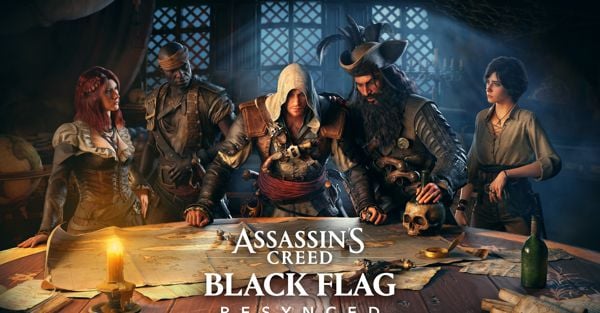
The gameplay has also been updated to meet 2026 standards. The stealth mechanics now feature free crouching, shadow management and visibility indicators. Naval combat adds new firing modes and greater precision when manoeuvring the Jackdaw.


