
Astrotourism in Valtellina, visits and observatories to discover the starry sky
Between 4 and 17 December the passage of the Geminids. Mysterious lights in Valmalenco. The ideal times to admire the celestial vault will be 21 October, 20 November and 20 December

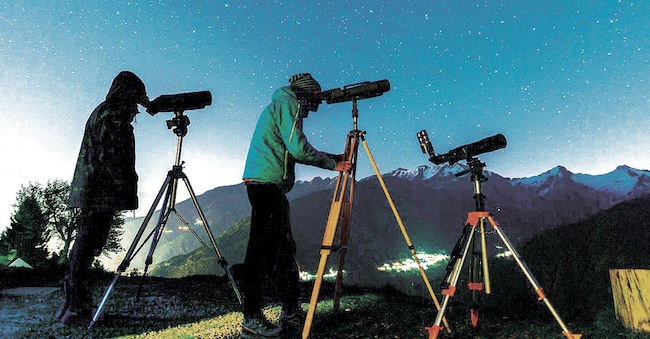
Far from the cities. In order to discover the wonders of the celestial vault, it is indispensable to move away from urbanised areas to escape light pollution. Thanks to its location, the Valtellina is establishing itself as a natural location for astrotourism. Already at altitudes of around 1,200-1,500 metres, the air, made clearer by the breezes, offers clear, deep skies that make the stars stand out, brighter and easier to observe. In the last months of 2025, the ideal times will be around 21 October, 20 November and 20 December, moonless nights, perfect for looking up at the sky.
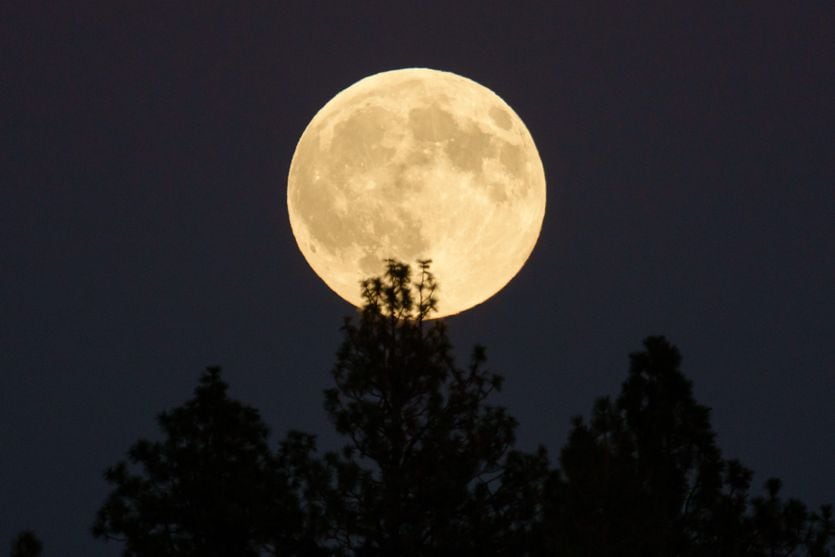
In the Valtellina, it is easy to recognise the best-known constellations and some seasonal figures. These include the majestic Pegasus, the mythical Perseus with its star clusters and, for expert eyes, even Andromeda with its galaxy. Then comes winter and the scenery becomes even more intense: Taurus with the Pleiades, the unmistakable Orion with its belt of three stars, and Gemini, led by Castor and Pollux, bringing to mind the swarm of Geminids.
The highlight nights will be those between 4 and 17 December to witness the passage of the Geminids, also known as 'Christmas stars'. Every year, this meteor shower crosses the sky giving dozens of light trails every hour, with a spectacular peak expected on 13 and 14 December.
In 2025, the coincidence with the new moon will make the darkness even deeper, creating ideal conditions for admiring one of the most exciting phenomena of the year.
The Valtellina offers many destinations, useful points where one can admire the stars. Among these is Ponte in Valtellina, a few kilometres from Sondrio, which hosts the 'Giuseppe Piazzi' astronomical observatory located in San Bernardo, at an altitude of about 1,283 metres. At this altitude, it is the highest observatory in Lombardy: a position chosen for the clarity of the sky, little disturbed by light pollution, and for the ease of access throughout the year. The facility plays a role in disseminating information with various activities offered to visitors.

