At the homes of great photographers: no posing allowed!
From the supermodels of the 1990s to the present day, the women portrayed by Ellen von Unwerth tell unsettling stories. Because charm isn’t about control; ‘it comes when we stop holding back’.

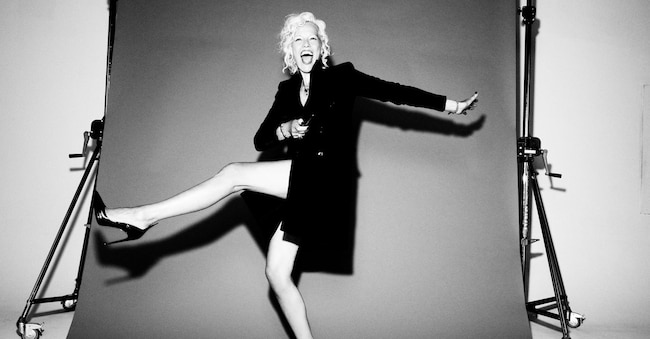
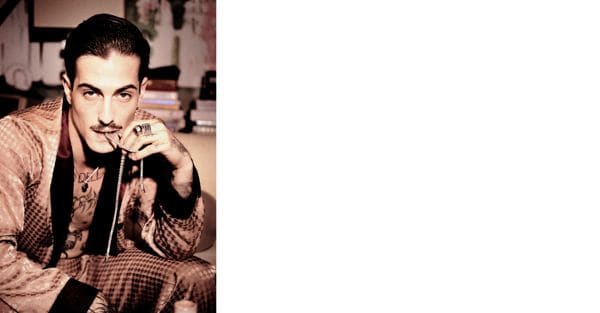
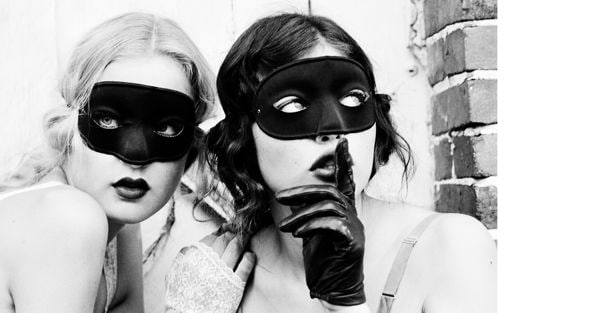
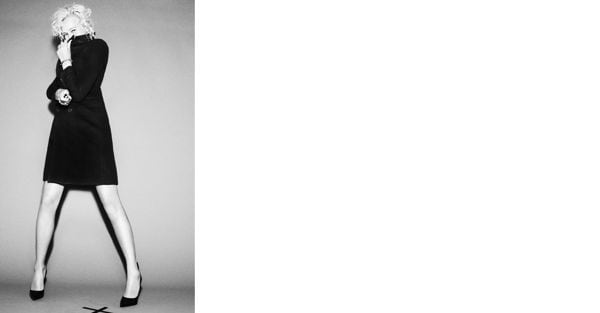
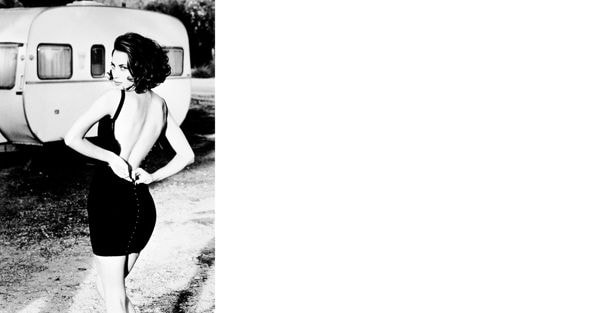
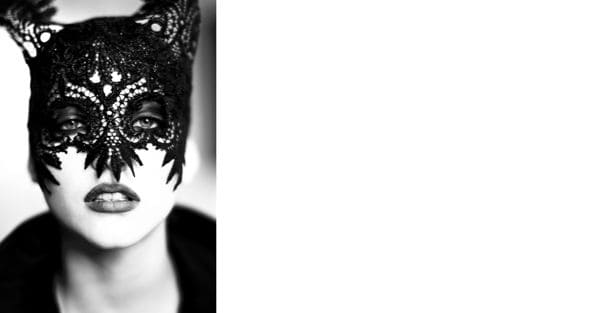
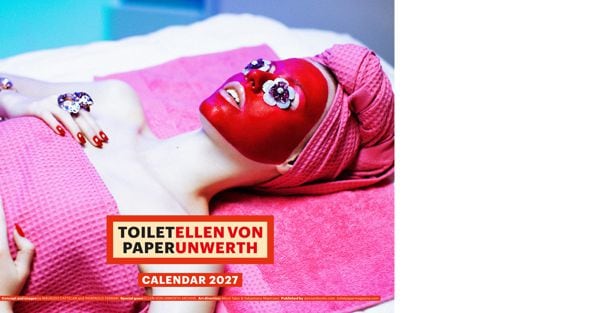
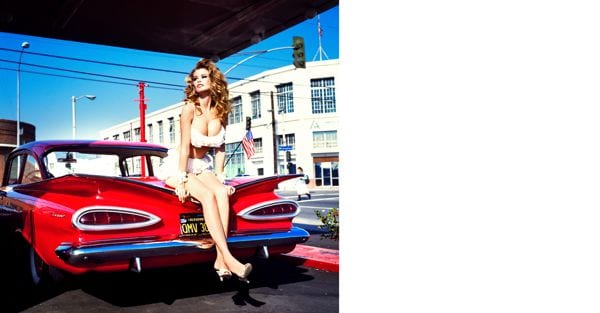
“It’s a question of Ellen gaze,” says Ellen von Unwerth with a smile. Or perhaps that is precisely the simplest definition of her work: her name. Her images contain movement, blurring, laughter, even a sense of interruption; they seem captured in the midst of a private moment rather than staged for the camera. It is the same energy that permeates her New York home-studio, where Ellen von Unwerth seems unable to sit still. Her words are often interrupted by laughter; her blonde hair falls messily across her face whilst her gaze remains lively and direct. Behind this apparent light-heartedness, however, lies a career that spans some of the defining moments in contemporary fashion photography.
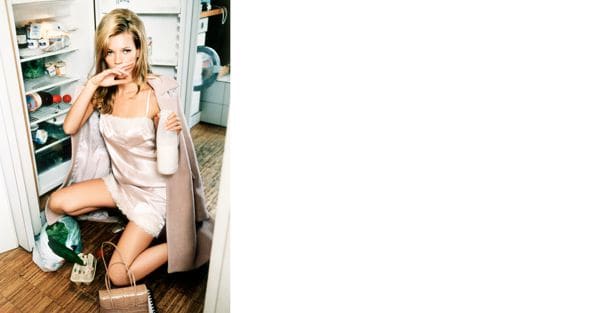
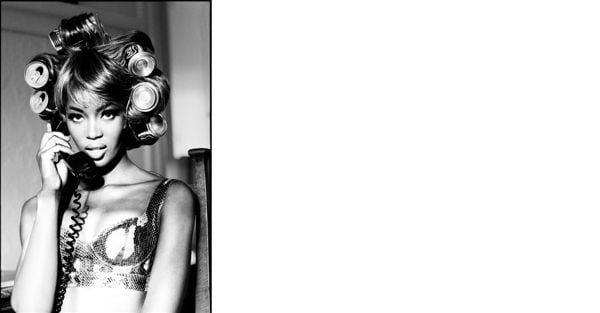
A former model in Germany, von Unwerth moved behind the lens in the early 1990s and quickly made a name for herself with the Guess campaign, which defined her stylistic signature: playful sensuality, narrative energy, and women who are never passive. Since then, she has worked with some of the leading international fashion houses – Dior, Chanel, Miu Miu, Victoria’s Secret, Diesel and Rolex – becoming a constant presence in the pages of fashion magazines. In 1990, von Unwerth photographed a young Melania Knauss for an advertising campaign, when she was still a model just starting out. Decades later, Melania Trump, now the First Lady of the United States, chose her once again for the images accompanying the launch of her documentary film. The choice sparked much debate and criticism, but von Unwerth insists that people come first, and public figures second.
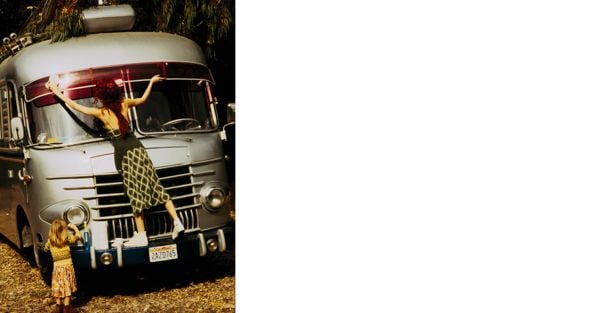
‘When I started out, I was right in the middle of the supermodel era. I photographed Naomi Campbell when she was just 16, Linda Evangelista, Christy Turlington. They’d be partying until five in the morning and by nine they’d already be on set having a laugh. It was a world where fashion was pure magic: the models were superstars and every new issue of Vogue was eagerly awaited as a major event. Today, everything is different. There’s a huge volume of images that are constantly being updated. You work for weeks on a magazine, and then it all comes out in a single day on Instagram. And it disappears straight away. It’s not like it used to be, when you’d keep a magazine and look back at it years later. It’s a huge change, with both positives and negatives. I use Instagram a lot these days, but I’m glad I lived through the nineties.”
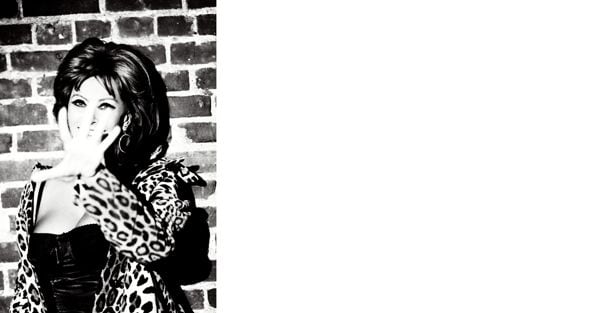
It would, however, be a mistake to reduce von Unwerth’s work to mere nostalgia for an irreplaceable era in fashion. If his photographs continue to be surprisingly relevant, it is because they introduced a different way of looking at women. The origins of that perspective lie in his own experiences.
‘For ten years I was on the other side of the lens and I felt frustrated. People were always telling me how to pose, where to look. I wanted to express myself. Then my partner gave me a camera and I started taking photos almost by chance, whilst on a trip to Africa. Women, children, street scenes. When I saw the photographs, I was surprised: I didn’t even realise I could do it. Later on, I started photographing all my friends.”