
Sex education at school: in secondary and high school only with parental consent
The Senate's final go-ahead for the Valditara decree with the stakes for curricular and extra-curricular activities, which becomes law.

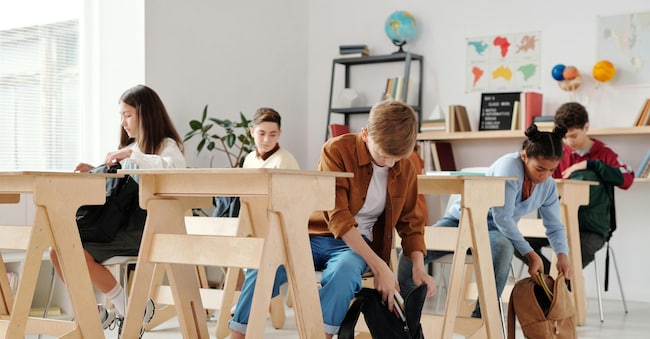
After a pit stop of almost three months from the committee's approval, perhaps necessary to allow the political controversy that had accompanied the first parliamentary approval in the Chamber of Deputies to die down, the Senate chamber also approved Valditara's legislative decree on informed consent. Which thus becomes law. The go-ahead came with 78 votes in favour and 38 against. The measure imposes explicit parental consent for all initiatives concerning the sphere of sexuality, even if extra-curricular, in middle school and high school. Or the student, if he or she has come of age in the meantime. In kindergarten and primary school, on the other hand, it will only be possible to talk about it as part of the new programmes starting in September.
The request for consent
The request for consent - for middle and high school students - makes explicit the aims, the educational and training objectives, the content, the topics, the themes and the way in which the activities are to be carried out, as well as the possible presence of external experts or representatives of bodies or associations involved in various ways. If the recipients include underage pupils, the presence of a teacher must be guaranteed during the course of the initiatives. Authorisation must be requested no later than the seventh day prior to the planned date of the activities.
In the event of non-adherence by the parents, the pupils abstain from attending. It will be the school's task to guarantee, by means of its own instruments of flexibility and didactic and organisational autonomy, the use of alternative activities, in any case included in the three-year plan of the educational offer (the so-called Ptof).
Poles for younger students
Without prejudice to the provisions of the national indications just reformed by Minister Valditara himself for pre-school and primary schools, any other didactic and project activities and any other activities concerning topics relating to sexuality are excluded. Outside the framework of the school curricula, therefore, any other teaching and project activities concerning topics relating to sexuality are excluded.
On this point, the new national guidelines are clear. And they aim at reinforcing the concept of a school 'that educates in educational relationships and feelings', given that - as all experts, regardless of their political orientations, now claim - one of the most important tasks of educational institutions in the coming years will be to reduce (and hopefully eliminate) the terrible phenomenon of feminicides. For childhood and primary school children, action will therefore be taken on two fronts, in line with what is already planned for the teaching of civic education. The first is education in respect for women, the second is the move towards positive feelings, in particular empathy.

Brand connect


Newsletter Scuola+
La newsletter premium dedicata al mondo della scuola con approfondimenti normativi, analisi e guide operative
Abbonati