
At the centre of Eurasia, art redraws the balance
Between private museums in Almaty and the first art biennial in Bukhara, the region is betting on contemporary art to reposition itself on the cultural and geopolitical map of the post-Soviet world

2' min read
Key points
2' min read
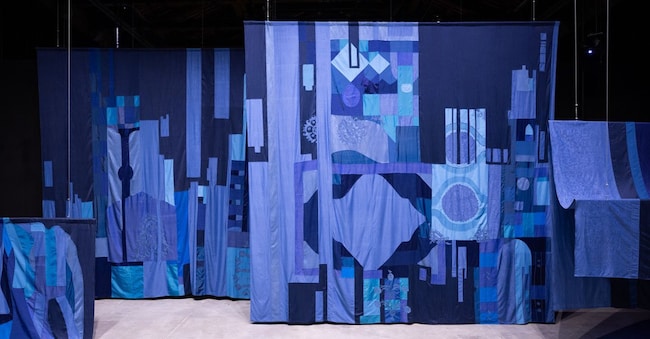
In the heart of Eurasia, a new cultural geography is taking shape. After decades of marginalisation, Central Asia - with Kyrgyzstan, Kazakhstan, Tajikistan and Uzbekistan at the forefront - is emerging as a fertile laboratory for contemporary art. Far from the spotlight of the global main stream, artists from the region are rewriting the visual language of the present, addressing issues of identity, post-Soviet memory, ecology and social transformation. In a context still lacking a structured market, art becomes an instrument of resistance, research and liberation.
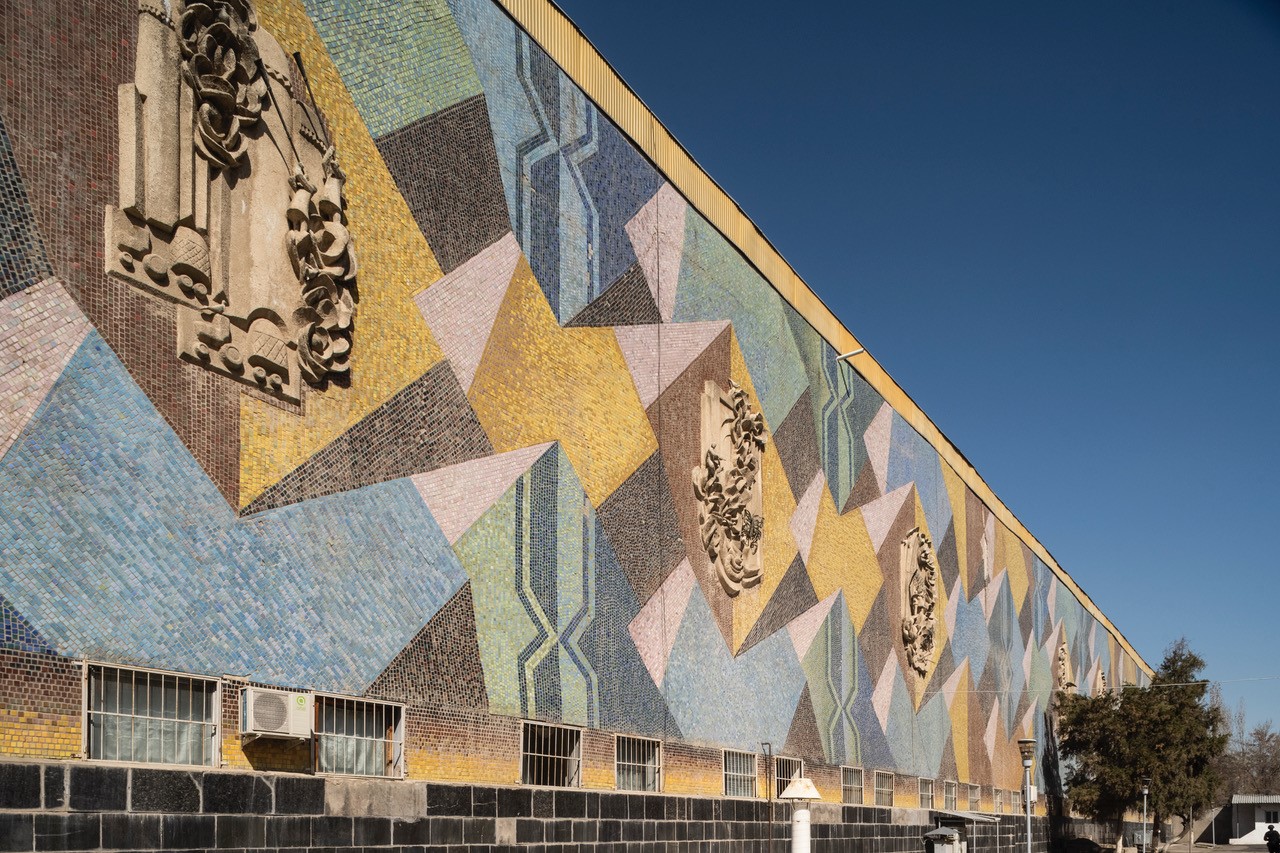
Installations, performances, textile art and participatory practices are interwoven with the cultural heritage of the Silk Road and the urgencies of the present. In this season of renewal, Central Asia is no longer a periphery to be deciphered, but a new centre to be recognised and heard.
A key stage in this transformation began in the 1980s, with perestroika and the first cracks in the systems of social control. From 1986 onwards, many artists - then young outsiders - experienced a 'cultural awakening': the realisation of the gap between official rhetoric and lived reality, and the desire to construct a new narrative. During this period, underground movements sprang up all over the post-Soviet space, often animated by rebellious spirits seeking new aesthetics, new forms of truth, new identities.
Regions on the move
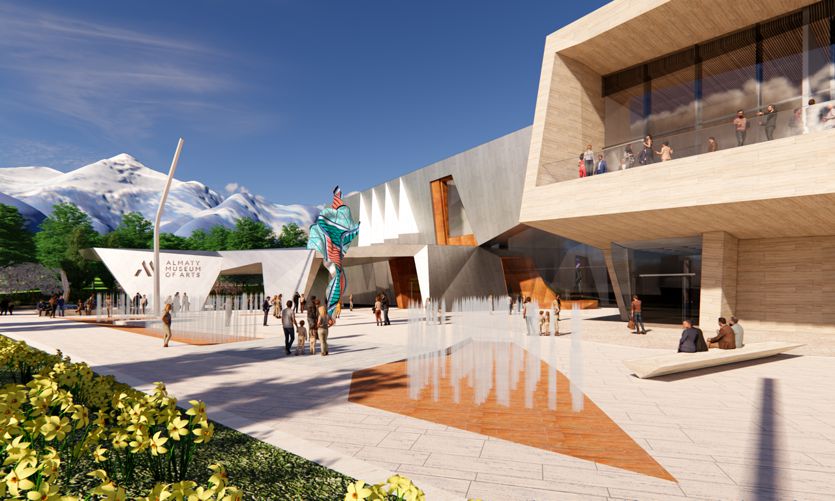
.In the vast Kazakhstan, long under an authoritarian regime trying to find a delicate balance between proximity to Russia and links with Europe and China, in Almaty, the cultural and economic heartland, two entrepreneurs Kairat Boranbayev and Nurlan Smagulov, have directed their investments in art: last May the Tselinny Center in a former Soviet cinema while in September it will be the turn of the Almaty Museum of Arts, marking a renewed cultural interest in the country's economic capital.
This is the context for the first art biennial in Uzbekistan, Bukhara, entitled "Recipes for Broken Hearts" from 5 September to 20 November, which will see new commissions of site-specific artworks and a programme of live events unfold over ten weeks in a multi-sensory celebration of contemporary art, craft and food, marking one of the largest and most diverse cultural initiatives in Central Asia to date.
Curated byDiana Campbell, "Recipes for Broken Hearts" will feature Uzbek artists, chefs and designers, along with international participants such as Laila Gohar, Subodh Gupta, Carsten Höller, Jeong Kwan, Elena Reygadas and Tavares Strachan, among others. The Biennial will take place in newly restored historic venues within a new cultural district, marking the beginning of a growing plan to preserve the city's heritage and create new opportunities for future generations.

