Dance

Preliocaj Evening at the National Theatre

French choreographer Angelin Preljocaj's triptych of creations proceeds by contamination

by Giorgia Basili

3' min read

Translated by AI
Versione italiana

3' min read

Translated by AI
Versione italiana

At the Teatro Nazionale in Rome, a stone's throw from the Teatro dell'Opera, the contemporary dance show Serata Preljocaj was staged.

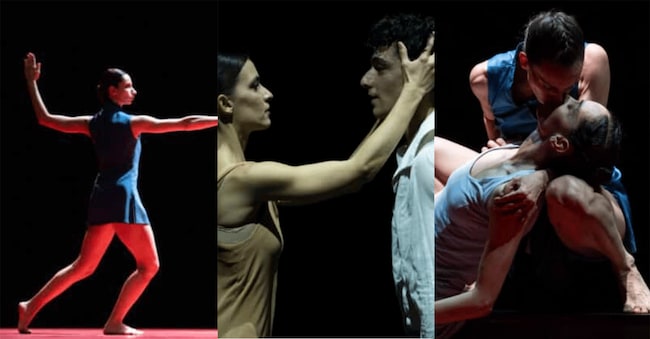
Performed by the corps de ballet of the Teatro dell'Opera di Roma, this is a triptych of creations by Albanian-born French choreographer Angelin Preljocaj. Three works that have become central to his career follow one another with barely five minutes of scene changes: Annonciation, La Stravaganza and Noces.

Loading...

Preljocaj, a key figure in European contemporary dance, has built up over the years a language capable of traversing the repertoire without being trapped by it. His work on the classics is never quotation, but rewriting: he preserves the framework and exposes it to unexpected grafts. In his version of Swan Lake, for example, the score by Tchaikovsky is flanked by electronic inserts by the 79D collective, to the point of suggesting a reading that touches on the theme of ecological disaster.
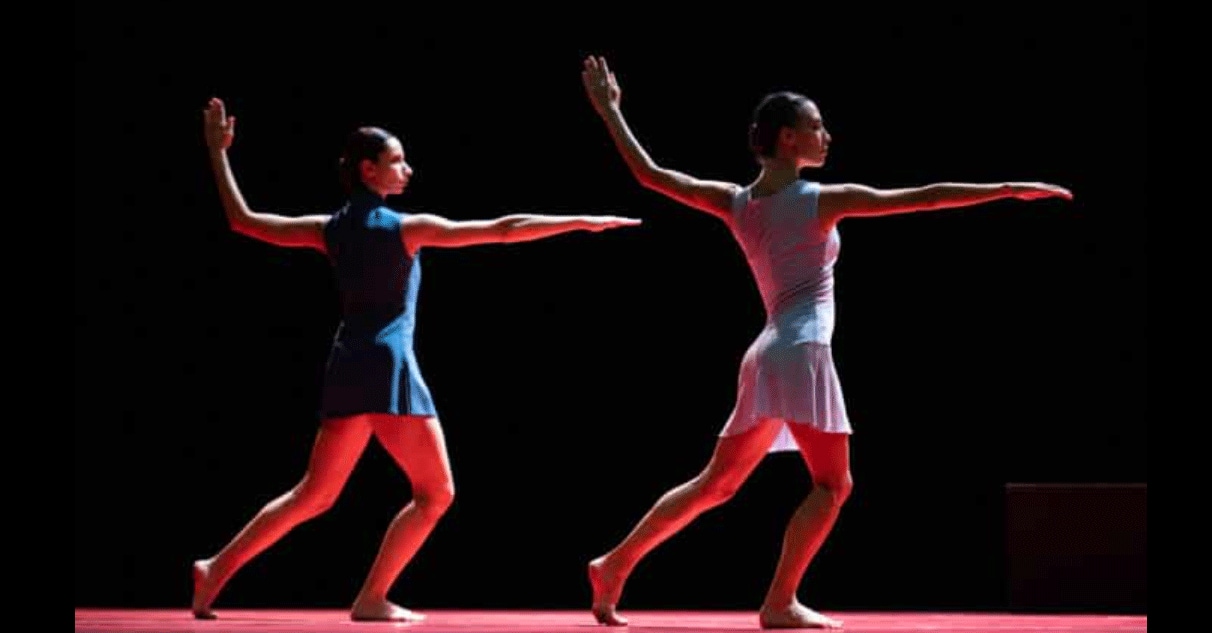
This tension between tradition and deviation runs through all three paintings. What emerges above all is the construction of the movement: the cleanliness of the lines, the work on the allongé arms that spread like waves or spread elegantly following the arching of the shoulders, until they evoke wings. The choreographic phrases develop by variation: a figure is exposed, taken up and betrayed, almost according to a principle of canon and countermelody.

In Annonciation (1995), the duet is inspired by the Gospel episode. The scene opens with Mary styling her hair, while in the background we hear the cries of children from a nearby courtyard. Stéphane Roy's electronic sounds alternate with Antonio Vivaldi's Magnificat.
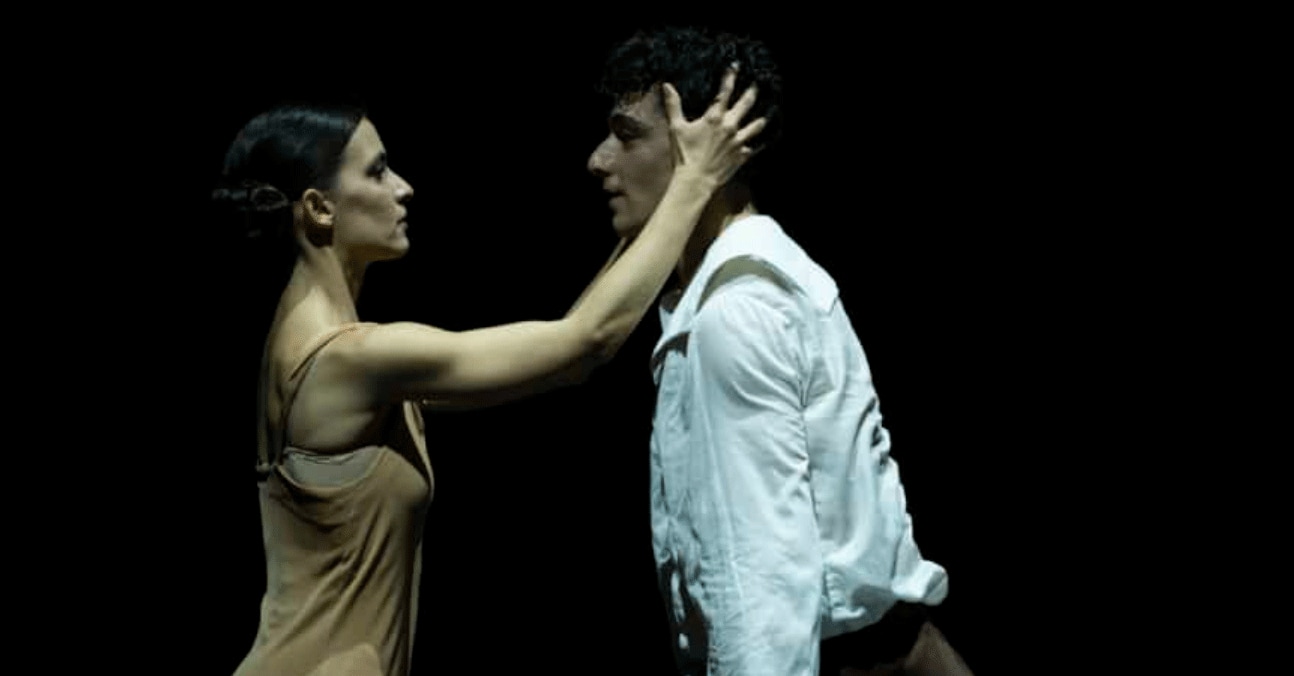
Nathalie Sanson's costumes are essential, free of frills: they are reminiscent of sportswear, tight-fitting, with short skirts that leave freedom for the legs, highlighting precise and rigorous work. The dialogue between the two performers proceeds by mirroring and minimal deviations. Preljocaj brings to the stage an iconographic subject among the most frequently used in the history of art, but rarely translated into performance form.

However, there remains a limitation related to space: the very grounded movements are difficult to grasp from such a low stage.

La Stravaganza (1997), on the other hand, brings Baroque suggestions and contemporary sensibilities into dialogue. The title alludes to a 'wandering off', but also to the meeting of two worlds.

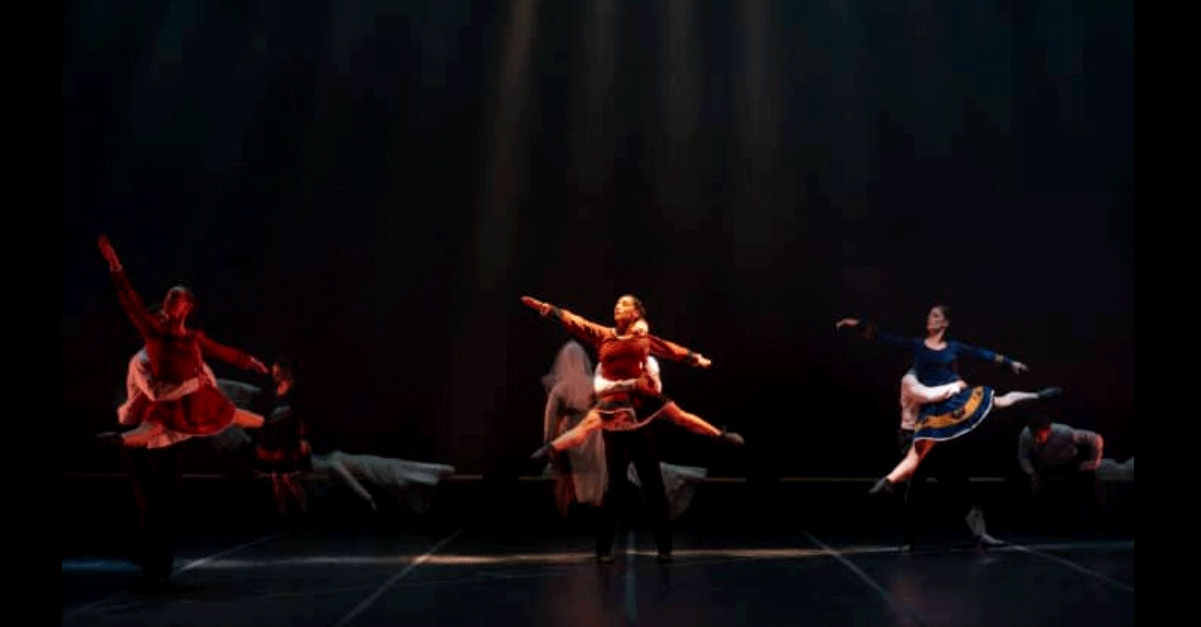
On stage are two groups, or rather tribes, composed of six dancers each (3 women and 3 men). The first, to music by Vivaldi, embodies a more abstract and contemporary line: light, light costumes, and a quality of movement reminiscent of Merce Cunningham's geometric construction. The second group breaks that balance: 17th century-inspired dresses, ruffs, heavy fabrics in shades of red and brown. In spite of the visual apparatus, it moves on electro-acoustic sonorities, with a more pronounced, slow and serious gesturality, made of wide port de bras and insistent grand pliés.

From initial mistrust, they progressively move on to forms of contamination. The two languages find points of contact, until the duet that marks the climax: a meeting in which the differences point to a new style.

Noces (1989), to music by Stravinsky, closes the evening with a reinterpretation of the wedding rite. Preljocaj draws on Balkan tradition, in which marriage is "a kind of bizarre tragedy": the bride as a passive figure, an object of exchange between families, accompanied towards a destiny already decided. "The bridesmaids would take care of making her a bargaining chip, passing her from one family to another. [...] Then she, offering herself as in an inverted funeral ritual, her eyes full of tears, would advance towards the consenting rape'.

On stage are ten performers (five women and five men) and a recurring element: minimal benches that function together as set design and choreographic device. They are supports on which to stretch out and play at eros, improvised beds and shelters for secluding oneself, but also threatening verticals that turn into nooses to harass the newly-weds. The latter are embodied by rag dolls, equipped with a drawstring veil, tossed about and animated at will by both future husbands and betraying companions.

The ritual builds by accumulation, without ever offering a real escape route.

More than narration, Preljocaj structures. And in this structure - made up of repetition, variation and friction between codes - he allows what remains when the word leaves the field to emerge: the body, and what the body, with its dynamism and tensions, is capable of communicating.

Copyright reserved ©
Loading...

Brand connect

Loading...

Newsletter

Notizie e approfondimenti sugli avvenimenti politici, economici e finanziari.

Iscriviti