Science

AI at work, more happiness but also more stress: the new well-being equation

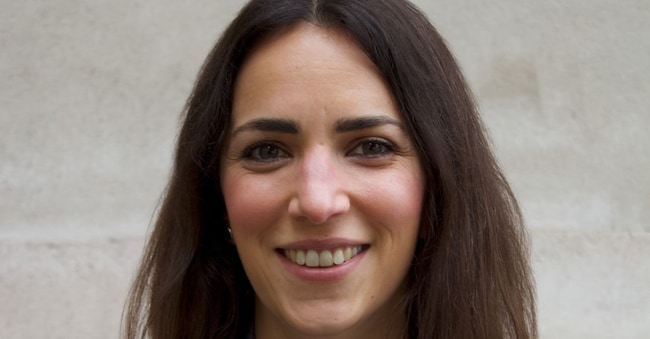
This is Catarina Lachmund, Senior Analyst at the Happiness Research Institute

3' min read

Translated by AI
Versione italiana

3' min read

Translated by AI
Versione italiana

Artificial intelligence promises efficiency. It cuts time, automates tasks, increases productivity. But there is one variable that rarely enters the reports: happiness. And this is precisely where the global research 'Work and Wellbeing in the Age of AI', carried out by Jabra together with the Happiness Research Institute, starts.

The study involved over 3,700 professionals in 11 countries, including Italia. In the Italia sample - 363 knowledge workers - the use of AI is already a concrete practice: 54% use it in their personal lives, 48% at work. The Italian trends follow the global average. A sign that the phenomenon is not local, but structural.

Loading...

The numbers tell a less obvious story than usual. Those who use AI every day are more satisfied with their work (+34%), achieve their goals more easily and see more career opportunities. They are also more optimistic about the future. But they pay a price: 20% higher stress levels. An only apparent contradiction, which opens up a key question for companies and managers. Does AI make us happier or more under pressure?

According to Meik Wiking, the debate must be shifted: less obsession with productivity, more focus on psychology. Identity, motivation, sense of work. Because the future of work is not only technological, it is emotional.

In this interview, Catarina Lachmund, Senior Analyst at the Happiness Research Institute, helps us read the data. Between 'good' and toxic stress, new digital inequalities, silent leadership and jobs that change their skin. AI, in short, like a gym: it can strengthen. But without instruction it risks injury.

Wellbeing but also more stress: isn't that a contradiction?

The data say that frequent users of AI are better off at work, but fear the future more. The fear of losing one's job weighs. Uncertainty also weighs when the company does not explain why it is introducing AI and what will change. And the expectations of colleagues can become performance pressure.

That said, not all stress is bad. Among the main stressors is 'I often learn something new'. It happens at all ages. Learning is tiring, but it gives meaning. A little stress can mean involvement. In other words: if you care about work, a little bit stresses you out.

Does AI risk widening the gap between workers?

Yes, the risk is there. Today, AI is used more by those with high incomes and skills. And these people also declare more wealth. Side effect: the 'good jobs' become even better, the others stay put or disappear.

Companies have a clear responsibility: not only to give access to AI, but to teach how to use it. Training and support are the key to not creating a new internal inequality.

Is communication or technical preparation more important?

Communication matters more. AI will remain, but we don't yet know how everything will change. Saying it openly increases trust. Silence does not.

Workers do not demand answers to every question. They do, however, want uncertainties to be acknowledged. Where communication has been poor, we have seen confidence, optimism and a sense of work collapse. All pillars of well-being.

Does AI make work more interesting or impoverish skills?

AI is not perfect and does not replace all roles. Today it mainly helps with repetitive and time-consuming tasks. Skills do not disappear: they change.

From the data we see that the most positive impact on well-being comes when AI is used to collaborate better. Less time on routines, more time on relationships, decisions and strategic work. This is where the work gets really interesting.

In two years' time, what will you be looking at in a follow-up study?

In the meantime, we would like to do it again. Today the adoption of AI is still low. In the next two years we expect many more users and different uses.

We will be interested in how quickly AI enters the various professions and whether it remains linked to positive work experiences. We will also look at hitherto little explored topics: limits, fears, red lines. Privacy, decision-making autonomy, trust.

AI changes fast. To predict everything would be presumptuous. But one thing will: we will get a better look at what companies have done, how they have communicated and what effect it has had on well-being. And this may help those who are still in the middle of the pack.

Copyright reserved ©
  • Luca Tremolada

    Luca TremoladaGiornalista

    Luogo: Milano via Monte Rosa 91

    Lingue parlate: Inglese, Francese

    Argomenti: Tecnologia, scienza, finanza, startup, dati

    Premi: Premio Gabriele Lanfredini sull’informazione; Premio giornalistico State Street, categoria "Innovation"; DStars 2019, categoria journalism

Loading...

Brand connect

Loading...

Newsletter

Notizie e approfondimenti sugli avvenimenti politici, economici e finanziari.

Iscriviti