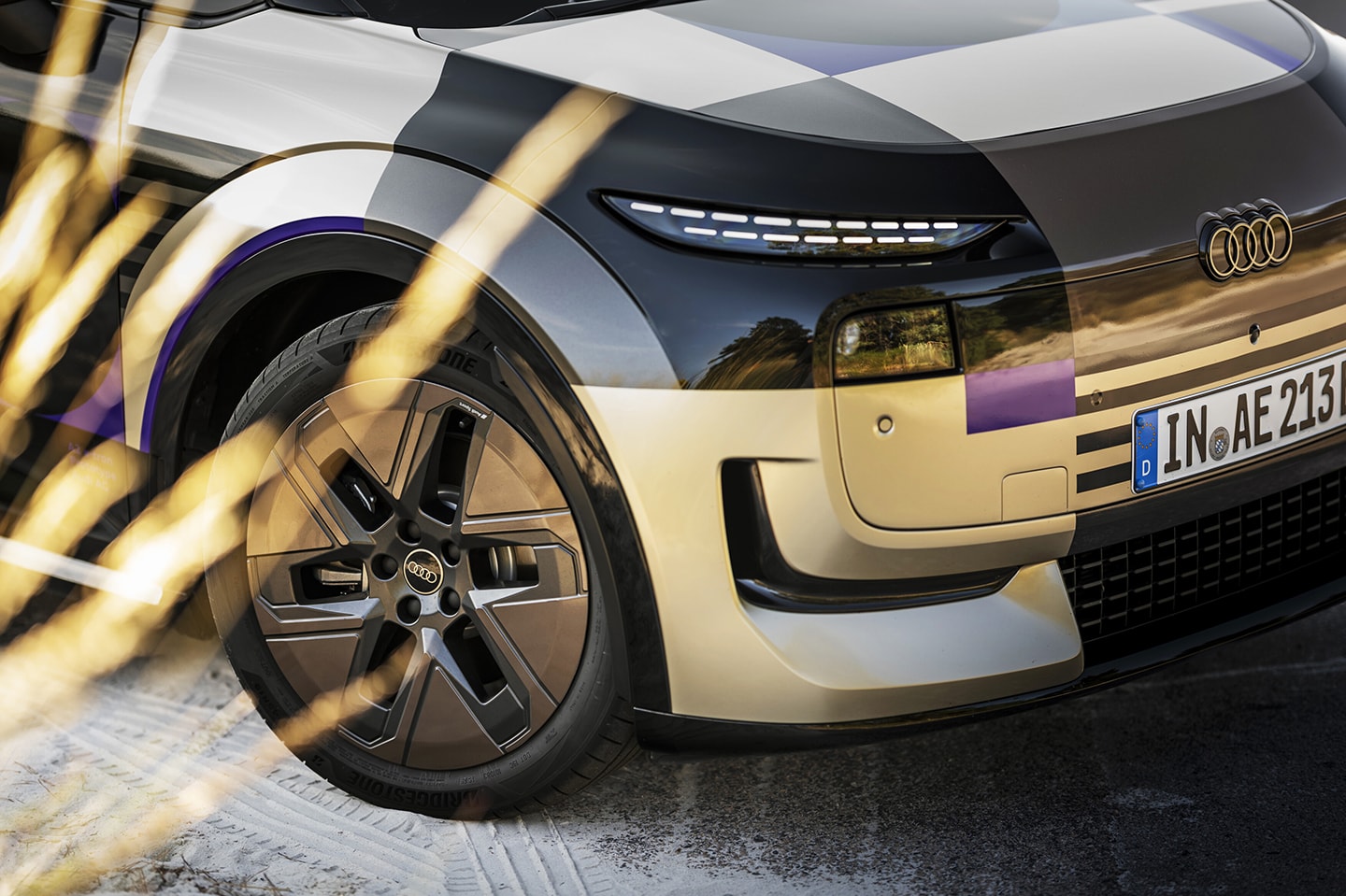
The Audi A2 e-tron: the compact electric car that prioritises efficiency. A first-look test drive
The Four Rings’ new compact lithium-ion car plays its trump card on low fuel consumption

Industry-leading range for the segment, LFP cell-to-pack battery and bidirectional V2H charging: the new Audi A2 e-tron arrives in September in a crowded market with a top-class technical package and an energy-saving ace up its sleeve.
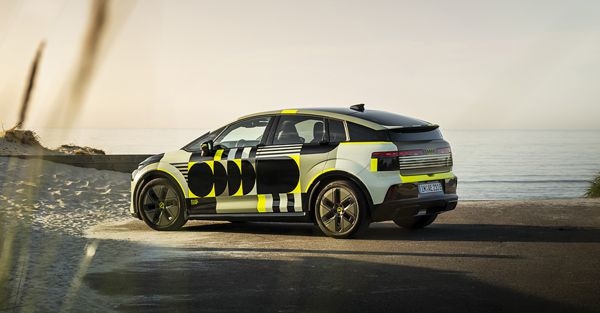
After more than thirty years, Audi is reviving the A2 name for a 100% electric successor that aims to innovate today just as it did back then. No aluminium spaceframe chassis (too expensive), a drag coefficient reduced from 0.25 to 0.24, and dimensions increased by a good 50 cm in length. The shapes and proportions remain, evoking the luxury city car of the 1990s that was exceptionally fuel-efficient. Similarly, for the A2 e-tron too, the primary focus has been on reducing energy consumption through carefully calibrated technical choices and aerodynamic measures. The result? It took just 12.3 kWh to cover 100 km with four adults on mixed roads (speed limits between 50 and 110 km/h), with the air conditioning set to 22°C under the blazing mid-July sun and an outside temperature of around 20°C.
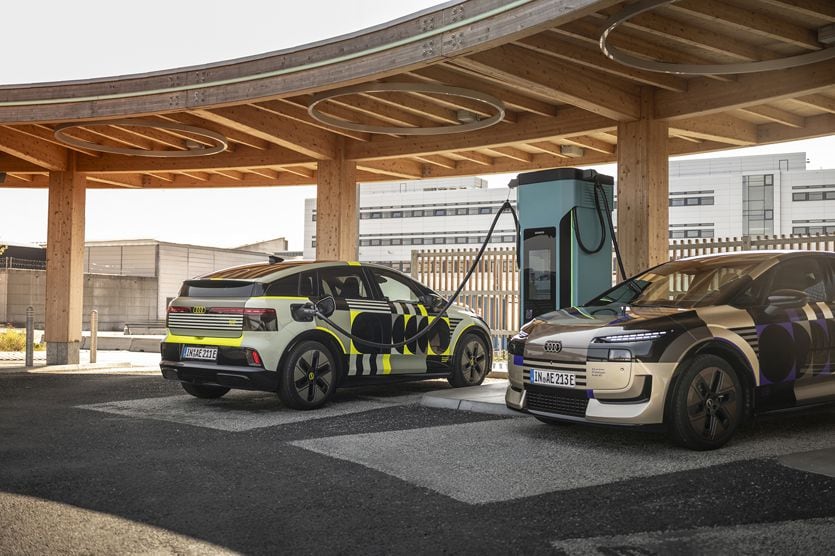
From Copenhagen in Denmark to Trelleborg in Sweden, we were able to get a sneak preview of a pre-production A2 that features the interior of the latest models from the four-ring brand (Q3 and Q4), complete with a large curved display that incorporates both the instrument panel and the infotainment screen. The driving experience is relaxed and quiet, thanks in part to the front windows with high sound insulation (optional). But it is above all on the outside that the A2 reveals its distinctive features, starting with its design, featuring soft, rounded lines to optimise airflow and reduce aerodynamic drag – which, at just 65 km/h, accounts for almost half of energy consumption, and at 130 km/h, accounts for 67 per cent.
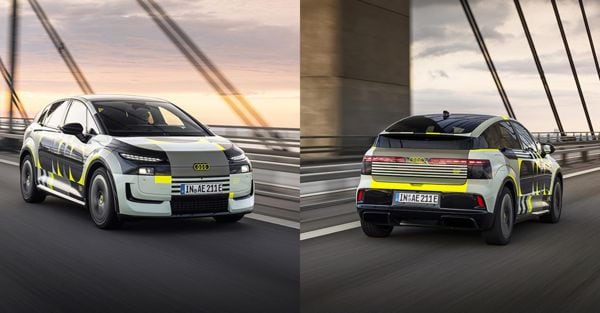
The bodywork follows the principles of aerodynamic design: a rounded front end, a flowing roofline and a rear end with well-defined contours. Compared to a conventional fastback model, this design adds 6 km to the range. Further design features, such as the active air intakes at the front and the side air curtains that channel airflow into the wheel arches, the air deflectors on the wheel arches that reduce turbulence around the wheel wells, the fully enclosed underbody, the optimised diffuser geometry, the bespoke flush-fit wheels with tyres specially developed in collaboration with Bridgestone, and the spoiler integrated into the rear window reduce energy consumption by up to 0.9 kWh/100 km (WLTP).
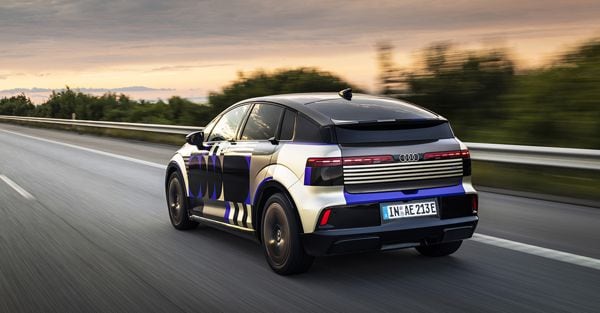
In addition to the favourable Cx – albeit not a record-breaking figure – there is the permanent-magnet synchronous motor and, above all, the silicon carbide power electronics: a technology previously reserved for premium models with 800-volt architecture, which has only begun to trickle down to compact cars since 2025. The benefit is tangible: lower losses in the inverter, more kilometres on the same battery charge. As for the batteries, the Audi A2 e-tron adopts the increasingly widespread lithium iron phosphate technology with a 61 kWh (57 usable) cell-to-pack architecture, which promises low costs, greater durability and thermal stability. Charging efficiency is close to 90 per cent and, although the maximum power does not exceed 105 kW, it takes just 26 minutes to charge from 10 per cent to 80 per cent. This charging time is competitive — the Mégane takes 24 minutes (15–80 per cent), the MG4 Long Range 25 minutes — but the peak power output remains far below the French car’s 165 kW and Tesla’s 250 kW.