
Audi and corporate fleets: electrification, data and costs at the heart of the transition
Audi Italia met with fleet managers and experts to discuss taxation, telematics and charging. The business sector accounts for 65 per cent of the brand’s registrations.

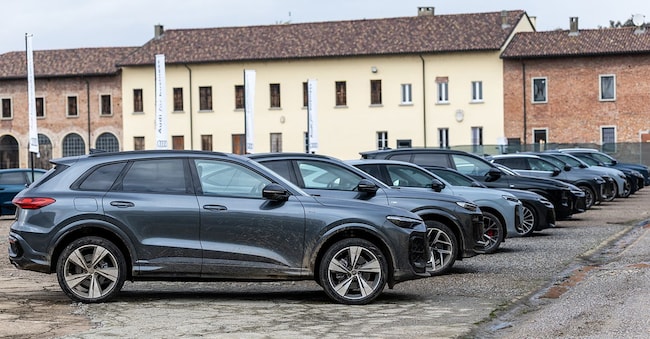
These days, choosing a company car involves much more than just the model, price or lease payment. Companies find themselves having to deal with issues such as tax, mileage, data management and charging infrastructure. All this whilst keeping in mind the need to keep costs down and reduce environmental impact, without compromising operational efficiency.

The topic was discussed in Vairano di Vidigulfo, near Pavia, during “Imprese in movimento verso l’ domani”, an event organised by Audi Italia at the Automotive Safety Centre. Fleet managers and experts from over 120 companies were present at the event. Discussions centred on the new tax rules, how telematics is changing fleet management, and solutions to make the transition to electric vehicles easier.
The initiative forms part of the “Audi for business” project, a programme devised by the German manufacturer to offer not only its range of models but also consultancy, fleet management and charging services. For Audi, the business sector is of great importance. By 2026, it will account for around 65 per cent of the brand’s registrations in Italia. In the first nine months of this year, Audi delivered more than 58,000 cars, and sales of plug-in models have actually tripled compared with the same period last year, representing an 11.5 per cent increase.
Taxation and digital reporting: the new requirements for businesses
The law on fringe benefits has a significant impact on the composition of company car fleets. During the meeting, accountant Gennaro Farmesio explained the tax implications of each option. Today, companies must consider not only how to manage the vehicles allocated to employees, but also mileage, energy costs and the availability of charging facilities.
Plug-in hybrids, for example, make sense above all for those whose daily journeys are within the electric range, but only if the battery is then recharged regularly. So, making a sensible choice means looking at actual usage, not just tax breaks.

