
Authentic voice of an enchanted Sardinia
In the collection The Christmas Gift, Grazia Deledda takes us into the atmosphere of her land through characters and situations that speak of the simplicity and authenticity of that world

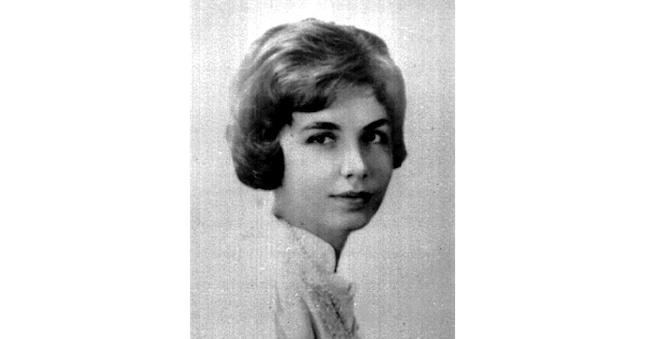
This is a small (Christmas) foretaste of what is to come, with publications, festivals, and celebratory days to remember the first and only Italian to have won the Nobel Prize for Literature: The Christmas Gift, a collection of short stories by Grazia Deledda now republished by Bur, arrives on the eve of the centenary of the prize won by the Nuoro author.
And there is perhaps no better way than these pages to take us into the atmosphere of the land and everyday life that characterises Deledda's (1871-1936) universe. Twenty-one short texts published in 1930 (but written over the years), some of which are specifically Christmas: the anticipation of Christmas Eve, the porchetto and dried fruit brought as gifts, the snow that amplifies the feeling of isolation, the festive mood, the incessant ringing of bells. A world characterised by the sobriety - here it rhymes with authenticity - of a time that seems more remote than it is in reality.
Other texts present characters and traditions that can also be found at Christmas, starting with old Moisè, a Barbagian 'servant shepherd', a master at making good luck spells - in Sardinian verbos - against the evil eye and the diseases that struck the beasts. Away from home for the whole year to look after the pigs on Mount Ortobene, he would return to the village for the festivities and would spend them with his masters. The children, excited, would gather around him to listen to descriptions of 'ancient times' when Jesus had not been born and the world was full of strange beings, 'talking animals, devils, dwarves, bìrghines, virgins who were good to the good and bad to the bad and spent their time weaving purple and gold'.Christmas does not spare 12-year-old Grazia from having to wake up before dawn to bake bread, as her mother used to impose (since then 'I had decided to get married' never to do it again, she writes). It was a real ritual, with the baker arriving at home and fighting 'with those big round buns that tend to swell, burst, burn in an instant'. In the end it was delicious and would keep for a long time, months even, without spoiling.
Further on, one encounters the godfather, Uncle Diddinu who was a poet, the Checca, i.e. the magpie of the house, the son of sharecropper Chischeddeddu Palasdeprata, even the Janas, the evil fairies: "A curse is still in use against those who may have spitefully done us, "Mala Jana ti jucat", mala fata ti porti; that is, you persecute yourself". A universe of legends and dreams passed down like an ancient breath, on which the author's loving gaze rests. Who restores it with a language that is rich and inevitably marked by time: perhaps, precisely for this reason, it continues to envelop and warm
Grazia Deledda


