
Cars, the comeback of the Italia market continues: +7.6% in May
Chinese brands achieve 14% market share, Fiat registers a volume recovery of almost 30% in the month and since the beginning of the year. Electric cars at 8.8% share
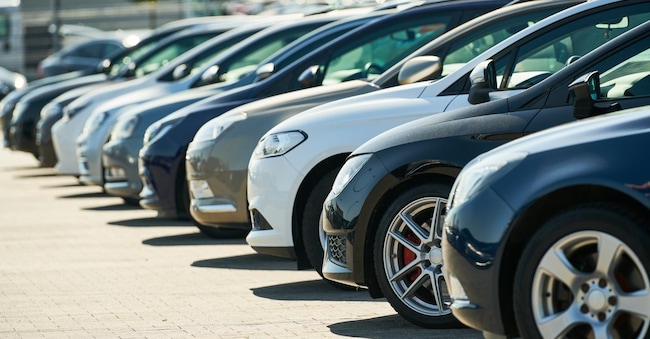
The volume recovery phase continues for the Italy car market, which closed May with just over 150 thousand registrations, 7.6% more than in the same month of 2025. This comeback was triggered by the incentives released in October and pushed the results for the first five months of the year to 790,000, 9.4% more than last year.
In this context, in line with the action triggered by the Ecobonus, the share of full electric models registered according to calculations made by Anfia actually doubled, in the month and period, compared to a year ago, reaching 8.8% market share in May and 8.2% since the beginning of the year.
A similar dynamic was recorded for Phev models (plug-in hybrids), a motorisation favoured, as for full electrics, by fringe benefit legislation. The two motorisations together accounted for 16.7% of the market from January to May, lagging behind the European average - around 30% in April - but on the rise.
For the Italia market, as highlighted by the Centro Studi Promotor, this is the sixth consecutive rise, helping to shorten the gap compared to 2019 volumes, a gap of over 13% if we consider registrations in the first five months of the year. "The situation of the car market in Italy," points out Centro Studi Promotor, "has seen a positive trend in recent months, with real overall growth, but concentrated on a few players (particularly Chinese brands)".
Indeed, the push for electrified cars is helping Chinese manufacturers and brands to grow, with Byd surpassing 6,000 cars registered in May, reaching 4% market share and surpassing competitors such as MG, owned by the Saic Group, which has meanwhile announced its intention to build a plant in Europe, in Spain. Also growing strongly were Leapmotor - the Chinese brand of the Stellantis stable - which exceeded 3% market share in the month, and Omoda/Jaecoo, which came close. Together they reached 14% of the market, close behind the 16.7% of Japanese and Korean brands.


