
Japan: Prime Minister Shigeru Ishiba resigned, race for premiership open
The pressure on the prime minister had been mounting since July. Yesterday the call for a step back by two party bigwigs
2' min read
2' min read
From our correspondent
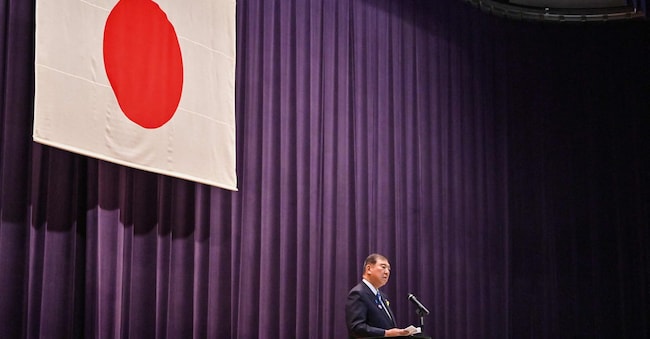
NEW DELHI - After less than a year at the helm of the country, Japanese Prime Minister Shigeru Ishiba has resigned. The announcement was made by Ishiba himself during a press conference in Tokyo. Rumours about his possible exit had been circulating since July, but have become more intense in the last few hours, after Agriculture Minister Shinjiro Koizumi and former Prime Minister Yoshihide Suga asked him to step down during a three-way meeting on Saturday.
The weight of the two election defeats
.Ishiba, 68, had taken over as head of government less than a year ago and had since led the Liberal Democratic Party (Ldp) to two electoral defeats that reduced the government coalition to the minority first in the lower house and, more recently, in the upper house. If Ishiba had not stepped back, a vote would have taken place on Monday between MPs and local LDP leaders to decide whether to put the party presidency up for grabs again. At the press conference, the outgoing premier explained that he intends to start the process of selecting his successor and that Monday's vote would therefore not be necessary.
Ishiba's exit from the scene, on the eve of what would have been a de facto vote of no confidence within his party, opens a phase of instability for Asia's fourth largest economy, while its negotiators are struggling to formalise the details of the trade agreement reached with the United States under which Made in Japan products will be taxed at 15 per cent. Among the points of contention are Tokyo's promised investments.
Ishiba had won the leadership of the LDP somewhat surprisingly last September. Starting as an underdog - after five previous attempts, all of which failed - he had gained more support than the more distinctly conservative candidates thanks to the support of the party's base.


