
Wine and tobacco on the decline; Bat cuts 9,000 jobs
From spirits to cigarettes, changing consumption patterns are having an impact on the bottom line: British American Tobacco is implementing cuts in response to falling demand for cigarettes
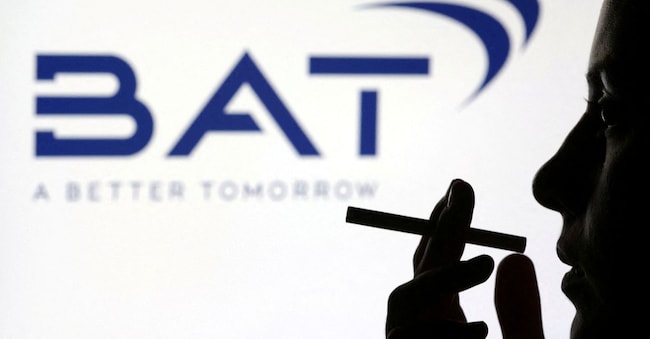
British American Tobacco (BAT) is scaling back a significant part of its operational structure. The tobacco giant has announced a plan affecting 9,000 roles globally: 5,500 jobs will be cut, whilst a further 3,500 roles will be outsourced to third-party partners. This represents around one-fifth of the group’s current workforce of 47,000 employees.
British American Tobacco has entered into a partnership with Accenture to transfer certain functions; various roles in the UK, Poland, Romania, Singapore, Costa Rica and Malaysia have already been outsourced. The restructuring does not, however, affect the United States, which is the company’s most important market.
The health revolution
The workforce reorganisation strategy aims to generate incremental annual savings of 600 millionpounds by 2028, of which around 500 million will be achieved by 2027.
The decision, announced in February, comes at a tense time for the company. Sales in the US market have been held back by stricter regulatory requirements, which have delayed the launch of new products and given an advantage to some Chinese competitors. The US market is also being affected by a shift in consumer habits, with consumers increasingly turning to cheaper brands to cope with the rising cost of living. Other factors include higher excise duties, stricter regulations and illicit trade in countries such as Australia and Bangladesh.
In addition to these difficulties, the real challenge remains the gradual decline of traditional smoking. Combustible tobacco is in structural decline, and BAT forecasts a global fall in the sector’s volumes of 2.5 per cent this year. The group therefore aims to reinvest the savings in alternatives to cigarettes, such as Vuse e-cigarettes and Velo nicotine pouches, with the aim of generating over half of its revenue from ‘smoke-free’ products.

