
Bad weather: Adriatic railway line interrupted, flooding in Termoli
Adriatica state road closed around Foggia
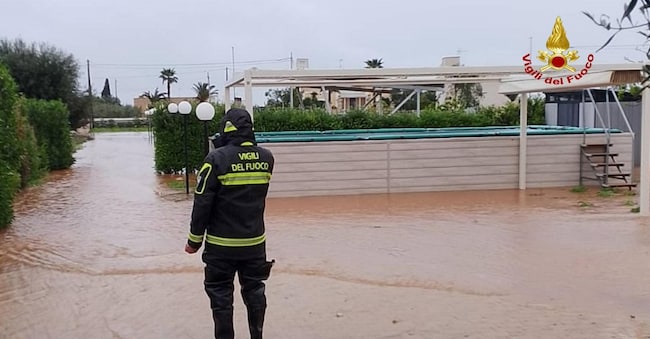
Italia divided in two on the Adriatic coast due to the flooding of the Osento river, which caused flooding of the railway: traffic is interrupted on both tracks on the Pescara-Foggia line, on the Porto di Vasto-Fossacesia section. This was announced by the Ferrovie dello Stato Group. Circulation has been suspended since around 17.15. According to initial indications, this is an event that will not be resolved quickly.
The Adriatica state road in the Foggia area closed
Inconveniences also in the Foggia area, where the SS16 'Adriatica' highway has been closed due to flooding caused by the overflowing of the Cervaro river and the Fortore torrent and the presence of mud and debris adjacent to the roadway. This was announced by Anas. In particular, the event caused flooding in the section between km 685.900 and km 687.000, resulting in the presence of mud and debris in the areas adjacent to the roadway. Anas immediately activated a constant presence on the affected section, and operating teams are on site to monitor the evolution of the situation, ensure the safety of users and speed up the restoration of full practicability. Monitoring is being conducted in close coordination with local authorities, civil protection and law enforcement agencies. Traffic is temporarily diverted along the alternative route with signs in place.
Flooding in Termoli, the Liscione dam under pressure
The rain in Molise is putting pressure on the Liscione dam, with water levels now close to the ordinary regulation threshold. At 6 p.m., the level was recorded at 124.86 metres above sea level, just a few decimeters from the 125.50 metre limit. In order to contain the reservoir, discharges in excess of 500 cubic metres per second are in progress, while the inflow also remains high. The system is under control, but in fragile balance, with narrow margins and high hydraulic pressure.
The greatest risk is concentrated downstream: the Biferno is already flooding and has overtopped the secondary banks in several stretches, with widespread criticality along the lower course. Molise Acque confirms constant monitoring in connection with the prefecture and mayors, with real time updates. The next few hours remain decisive.
Partly as a result of the discharges from the Liscione dam, as well as the ongoing rains, the first floods are being recorded in Termoli's industrial area. Among the companies affected is Molise Irrigazione, where the water has already invaded. The situation is worsening rapidly: the channels around the industrial area have reached levels close to the roadway, raising fears of an extension of the flooding to other factories. As early as Wednesday morning, the evacuation plan ordered by the prefecture was triggered, with activities suspended and plants shut down. Concern is growing among entrepreneurs about the damage, while with the red alert confirmed for tomorrow as well, a prolonged production stoppage is foreseen.

