
Iran, Bank of England: risk of financial crisis with unpredictable repercussions
The verdict of the BoE's Financial Policy Committee, published today, is that 'the shock will weigh on growth, increase inflation and tighten financial conditions'

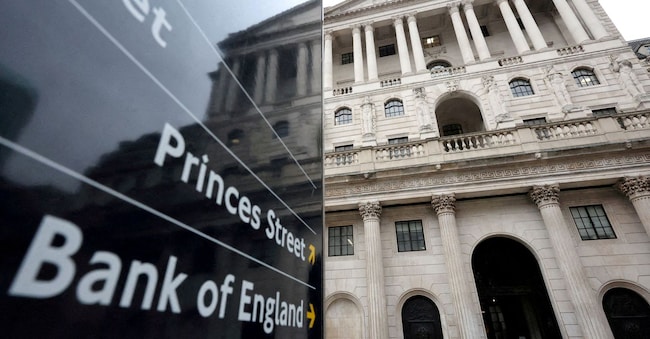
LONDON - The Bank of England is sounding the alarm: the war in Iran has exacerbated the risk of a financial crisis and the economic repercussions will be 'significant but unpredictable'.
The verdict of the BoE's Financial Policy Committee, published today, is that "the shock will weigh on growth, increase inflation and tighten financial conditions. The negative impact on the global macroeconomy increases the possibility that several vulnerabilities will crystallise simultaneously, amplifying their effect on financial stability and even on the provision of essential financial services to UK households and businesses'.
Long-term impact
Although the conflict will be short-lived, its impact will be felt over the long term, because it occurs in a 'remarkably unpredictable global environment and at a time when global risks were already high', according to the BoE, and therefore 'periods of intense volatility and overlapping shocks' are inevitable.
"This is not going to be an easy time," admitted British Prime Minister Keir Starmer, because "it is clear that the impact of the war will determine the future of our country." The government is preparing a series of measures to help households cope with rising prices and in particular bills following the surge in oil and gas prices after the US attack on Iran, Starmer assured today, insisting that the UK has the resources to deal with a period of inevitable uncertainty.
OECD and IMF warning
Both the OECD and the International Monetary Fund warned this week that Britain is particularly vulnerable due to its dependence on energy imports and high government debt, with the risk of rising costs for the Treasury and a wave of gilt sales by hedge funds.
British households are already feeling the effects of the crisis, the Bank of England pointed out: petrol prices have risen by 10 per cent since the start of the conflict on 28 February and interest rates on housing mortgages have increased, while the number of available mortgages has decreased. More than 5 million people will face higher mortgage payments by 2028, according to the BoE.

