
Bank workers: negotiations begin on a €518 pay rise
The trade unions are calling for a swift resolution, but talks will resume after the next ABI Executive Committee meeting, due to be held in September

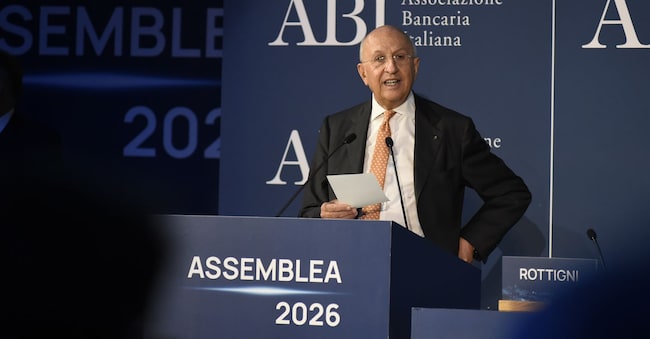
Negotiations on the renewal of bank staff contracts have begun at Abi.
The trade unions (Fabi, First, Fisac, Uilca and Unisin) have presented the trade union platform, which was approved almost unanimously (99.8 per cent) at the workers’ assemblies held over the past few weeks. Bolstered by this result, the trade unions presented their demands to the Trade Union and Labour Affairs Committee of ABI, chaired by Ilaria Maria Dalla Riva.
In a nutshell, the demand is for a 518-euro increase to the average reference level, which “is not a figure plucked out of thin air,” points out Fabi’s general secretary, Lando Maria Sileoni. It represents the balance between restoring the purchasing power eroded by inflation and the extraordinary wealth accumulated by the banks.”
Whilst during the crisis years the trade union formulated its demands with due regard for the sector’s economic situation, today we call on the ABI to show the same consistency. The wealth generated by the banks is, above all, the result of the daily work of its employees. That is why the renewal of the collective agreement must be consistent with the economic reality of the sector and with the results achieved.’
According to the Uilca general secretary, Fulvio Furlan, the demand for a pay rise of 518 euros is ‘reasonable and sustainable’. The renewal of a National Collective Agreement is always an important moment, not only for the sector in question but for the entire world of work. To our credit, we have consistently demonstrated, over the years, that we have signed innovative and forward-looking agreements, with the ability to look ahead and to support and manage these processes. The Platform takes stock of the current situation and aims to envisage the future of the world of work. It is worth remembering that we are thinking in terms of positive scenarios and, therefore, can try to anticipate the challenges ahead’.

