
Barrier bonus, pressing for extension to the end of 2026
Proposals for the Milleproroghe also include the postponement of the communication for the superbonus and that of condominium administrators

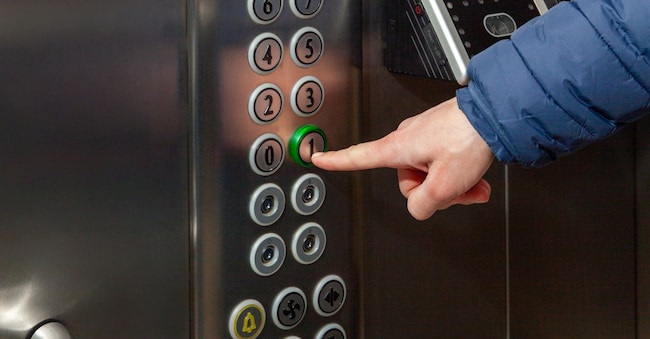
One more year for the architectural barriers bonus. To facilitate 75% of the realisation of interventions such as lifts, stair lifts and ramps. Although it was skipped in the Budget Law, despite Parliament's attempt to include an amendment in this direction already in the manoeuvre, MEPs are now back on the offensive. And they are trying, with a series of bipartisan proposals, which ended up among those reported, to gain another twelve months for the facilities dedicated to the removal of barriers, otherwise closed last 31 December in the most generous version.
Indeed, the amendments proposed by the League and Forza Italia, but also by the Democratic Party, the 5 Star Movement, Action and Italia viva to the law converting the Milleproroghe decree point in this direction. A transversal consensus that says a lot about how the cancellation of this facilitation has been experienced with a certain disfavour by politicians. Not least because it aims to satisfy a need that is certainly deserving, such as accessibility of buildings for all citizens, at a rather low cost: the lowest estimates speak of twenty million, others come to around fifty. In any case, much less than would have been required for the extended version of the bonus, which once also applied to bathroom renovations and replacement of window frames.
The benefits of restoration
The tax rebate, on the same level as the current one (at 75%), would only apply to the construction of ramps, lifts, stair lifts. In the absence of intervention, the bonus for this type of work fell in 2025 to the ordinary level of 50% for first homes and 36% for others. Thus, a return to the past would bring a considerable increase in the deductions available, especially for those with second homes. At the same time, the rule of the facilitated quorum, which is specifically applicable to the barrier bonus, would once again be applicable: in fact, renovation work would be allowed with a majority of the participants in the assembly representing at least one third of the millesimal value of the building.
The roofing node
The very coverages, although not exorbitant in value, represent an obstacle to the approval of the novelty. Already in the last Budget Law, in fact, the lengthening of the discount period (sponsored by many parties) was skipped for cost reasons. The same applies to the Milleproroghe, in which, as a rule, onerous interventions will not be included. Even if the transversal consensus towards the measure could reserve surprises.
Superbonus Intervention
Another intervention that ended up among the reported amendments, this time mainly devoted to the superbonus, also received wide approval. The proposal is signed by, among others, all three main majority parties: Fratelli d'Italia, Lega, and Forza Italia. 'In consideration of the concentration of information fulfilments related to facilitated building interventions during the year 2025', says the amendment, 'as an exception to the ordinary terms, the timeframe for the transmission of the various asseverations and communications to Enea and to the Revenue Agency is extended.


