
Batteries for grids, boom driven by innovative alternatives
The growth of renewables and Ai and the plummeting prices of lithium-ion batteries make storage the fastest growing energy technology

4' min read
Key points
4' min read
Energy storage for the electricity grid is the fastest growing energy technology in the world. By 2025, some 80 gigawatts of new grid storage will be added globally, an eightfold increase over 2021, according to calculations by the International Energy Agency.
Increase in solar and wind power
.Grid batteries are growing due to four powerful factors. The first is the global increase in the use of solar and wind power, which are intermittent by nature and now account for more than half of the generation capacity in some markets, creating problems for operators on cloudy and windless days. Large grid-connected batteries, which store energy when it is plentiful and release it when it is scarce, solve this problem effectively. The Iea estimates that from this year onwards, solar generation combined with grid-connected batteries will become cheaper than coal-fired power generation in China and gas-fired power generation in the US, although these estimates do not take into account the Trump administration's tariffs on Chinese goods, which, according to an article in the Mit Technology Review, are set to cause huge price increases for batteries and slow their growth in the US.
Strong drop in lithium-ion battery prices
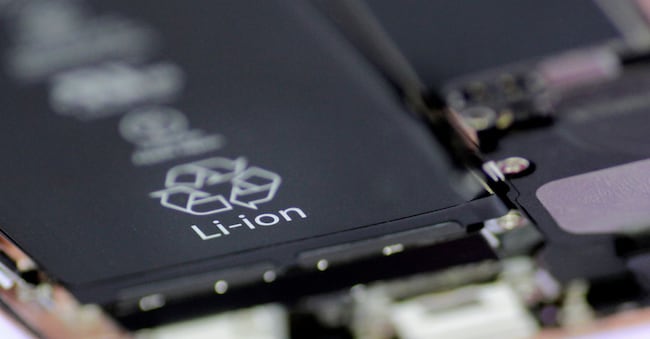
.The second factor is China's overcapacity in battery production, which has led to a sharp drop in the price of lithium-ion batteries. Since 1991, the price has plummeted by 97% and this year grid batteries have caught up with the historically lower prices of batteries for electric vehicles. Already today, China has installed half of the global capacity of grid batteries and this share is set to rise.
Rise in consumption due to Ai
.A third impetus for batteries is the surge in energy consumption due to artificial intelligence. Tech giants need large amounts of renewable energy, with storage systems that guarantee a 24-hour supply.
Innovative prototypes
.The fourth and most interesting of the forces at play, however, is the rapid emergence of innovative alternatives that go beyond traditional lithium batteries. These are discussed in the new 'State of Energy Innovation' report, in which the Iea experts point to a number of early-stage innovations that they believe will be industrialised by 2030. Of the 28 most advanced research areas indicated by the Iea in the report, no fewer than seven relate to storage, with a focus on long-life storage, which is more suitable for grids.

