
Beachfront homes: Croatia is more expensive than Italia
High demand from foreign buyers, combined with the introduction of the euro, is driving the sharp rise in property prices

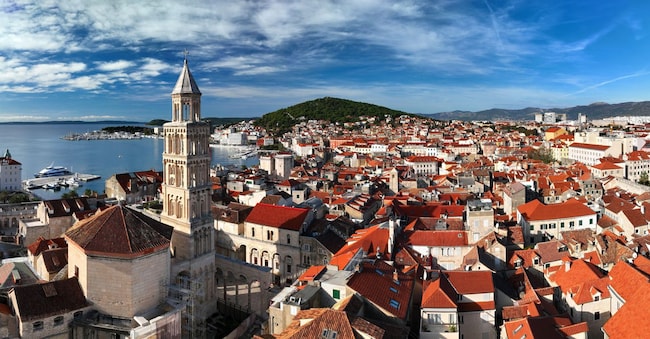
Over time, the trend has been towards buying second homes in Croatia. Now, house prices are rising and, in some areas, buying a property costs more than in Italia. This is the finding of an analysis by Immobiliare.it and Nekretnine.hr (the Immobiliare.it group’s portal in Croatia), which shows that prices have risen significantly over the past year. As a result, in many locations, prices have reached or exceeded those in Italy.
Of the Croatian coastal destinations analysed, Split emerged as both the most expensive and the one that has seen the most significant rise in property prices over the last twelve months. The figures speak for themselves: currently, buying a home here costs just over 5,200 euros per square metre, representing a 14.2 per cent increase compared with 2025.
‘If you compare prices in Split with those in the Italian towns covered by this study,’ Immobiliare.it points out, ‘only Alassio is more expensive, at €5,806 per square metre and a 2.7 per cent year-on-year increase.’ The other expensive locations in Croatia are Rovinj and Vis, the capital of the island of the same name: in the former, buying a home costs an average of 4,437 thousand euros per square metre, representing a 3.1 per cent increase compared with 2025, whilst in the latter, the cost is 4,041 euros per square metre. “However,” Immobiliare.it points out, “Hvar is the only town among those analysed to have recorded falling prices over the past year, down by 4.5 per cent.”
Looking at the rest of the rankings, in fourth place is Orsera, a town situated in Southern Istria, with prices of 3,854 euros per square metre and growth of +5.9 per cent compared with 2025, followed by Medolino at 3,651 euros per square metre and growth of +7.9 per cent. Next comes Cres, at €3,545 per square metre and a 2.6 per cent increase. Mali Lošinj, where the price per square metre is €3,533, has seen a 12.1 per cent increase. Price rises were also seen in Zadar, in eighth place at €3,419 per square metre and up by 7.2 per cent, and Pula, in ninth place at €3,086 per square metre and up by 5.8 per cent. Rijeka is the only town to remain below 3,000 euros per square metre, averaging 2,853 euros despite an 8.1 per cent increase over the past year.”
“Finally, looking at the Croatian seaside destinations that attract the most interest from Italians, Rijeka takes first place, ahead of Zadar, Cres and Split,” the group points out. Curiously, none of the top four positions are occupied by any town on the Istrian peninsula: Pula, in fact, is only in fifth place. Next come Mali Lošinj, Medulin and Rovinj, whilst bringing up the rear of the top ten destinations covered by this analysis are Vrsar and Lissa.”
Brand connect


Newsletter RealEstate+
La newsletter premium dedicata al mondo del mercato immobiliare con inchieste esclusive, notizie, analisi ed approfondimenti
Abbonati