
Beauty combines skincare, aesthetics and longevity
A study by the Boston Consulting Group, in collaboration with WWD

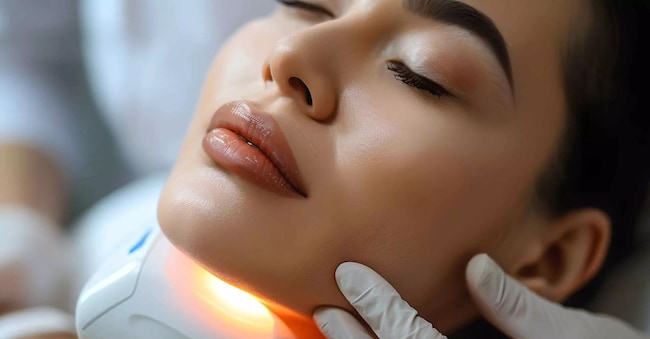
The beauty market is expanding and moving beyond traditional practices. More and more consumers are complementing their skincare and make-up routines with beauty treatments and solutions focused on performance and longevity (tools and treatments related to health, bodily function and the prevention of ageing), in a process that is redefining the boundaries of the sector.
Driving this change is what the second edition of the Boston Consulting Group (BCG) study, in collaboration with WWD, “Consumers Are Shaping a New Age of Optimisation in Beauty”, defines as the “optimizer” consumer: a profile that integrates aesthetic procedures and treatments aimed at performance and longevity into their traditional beauty routine, and which today accounts for 6 per cent of American adults – approximately 15 million people. Over the past twelve months, this segment has spent an average of $3,000 across the three categories.
According to the survey, carried out in April in the US amongst 5,000 consumers of beauty products, around 70 per cent of respondents said they were open to non-traditional solutions, whilst 80 per cent considered beauty to be a matter of physical and mental wellbeing, not just outward appearance. Should the ‘optimisers’ segment double in size, the report estimates a potential of over 30 billion dollars in added value for the entire beauty ecosystem, of which over 10 billion is linked to aesthetic procedures and more than 20 billion to the performance and longevity categories.
“Traditional beauty – understood as skincare, make-up and hair care – remains the cornerstone of the category, as it is upon this that consumers build their routines, but its definition is broadening,” comments Guia Ricci, managing director and partner at BCG. “Rather than relying solely on a few flagship products, today’s consumers combine solutions that address aesthetics, physical performance and longevity to achieve their desired results. This is a shift that brands must take note of: these consumers are pointing the way forward for the sector.”
70 per cent of beauty enthusiasts now regard cosmetic procedures as a regular part of their routine, a habit that is also reflected in their purchasing behaviour within the traditional beauty sector: 70 per cent have increased their spending on premium or medical-grade skincare products, whilst 50 per cent have introduced new steps or ingredients into their routine. A similar trend is evident with GLP-1 drugs, which are creating new beauty needs: they have been used by 30 per cent of optimisers in the last twelve months and, amongst those who have noticed physical changes or changes in skin quality, around half have turned to luxury or medical-grade skincare products, whilst amongst those who have experienced a loss of skin firmness, almost 80 per cent have increased their use of fillers, injectables, skin-tightening treatments or laser treatments. ‘Optimisers’ are also four times more likely than the average consumer to take supplements for longevity and to combat ageing, and twice as likely to use beauty supplements.


