
The Beauty Economy helps generate 192 billion euro turnover
Companies that invest in art and culture record a 1.4 higher productivity increase than the average, rising to more than 3 in banking groups

3' min read
3' min read
Companies that invest in art and culture generate EUR 192 billion in turnover and an increase in productivity that is 1.4 higher than the average. This is what emerges from the fifth 2024 edition of 'Economics of Beauty', a study produced by Banca Ifis that investigates the role of art and culture as strategic assets for corporate competitiveness. According to the analysis, companies that invest in art and culture register a 1.4 times higher productivity increase than peer companies, which rises to over 3 in the banking sector.
The effects on competitiveness
.In detail In Italy there are 732 active companies with projects on art and culture and the regions with the greatest presence of these companies are Lombardy, Veneto and Emilia-Romagna. Among the sectors, the most lively is the banking sector with 16 groups active in projects related to art and culture generating a productivity increase more than three times higher than the banking system average. Of the 16 banking groups, 68% adopt approaches to building strong relationships with the territory and communities; 20% use art and culture to communicate and involve their external stakeholders; 12% consider these projects as tools for innovation and creative stimulation. Strong, and present across all three defined areas, is the involvement of its employees. The increase in productivity of these groups is 27% in the period 2018-2022, higher than the +8% of the total banking system, with a performance as mentioned equal to more than three times the average annual rate of growth of the sector and about twice the annual rate of growth of remuneration.
According to the report, companies that make this type of investment produce a strong change in the company, both internally and in its positioning towards external stakeholders. A change that results not only in a 1.4-fold increase in productivity compared to companies of a similar size and market segment, and a 2.2-fold increase in salaries, thus indirectly demonstrating an impact on the enhancement of skills.The study shows that these are realities that have a long tradition, following the history of our country: 6% have been on the market for more than 65 years and the number increases during the 1960s (29% the relative incidence), going on to establish between the 1980s and 1990s almost 43% of the companies with, finally, another 22% of such realities that began operating in the 21st century.
Virtuous territories
.Looking then at the geographical distribution of these realities, 18 out of 20 regions have companies with projects on art and culture. Of these, 79% are concentrated in the central-northern regions, with Lombardy (227), Veneto (123) and Emilia-Romagna (112) on the podium. A case apart is Umbria, which emerges with an 18% penetration of the entrepreneurial fabric. As regards the size of these companies, 8 out of 10 have a turnover of less than 250 million euros. The more than 700 companies found are distributed over various production sectors: fashion, mechanics, agro-food, to name but the first three. The objectives that companies set themselves with these projects were investigated in depth through a field survey involving decision makers (from entrepreneurs to institutions such as the Chamber of Commerce), from which four types of areas of intervention emerged: 52% build solid relations with territories and communities; 23% communicate with their external stakeholders; 12% use art and culture as tools for innovation and creative stimulation; 12% focus on employee engagement.
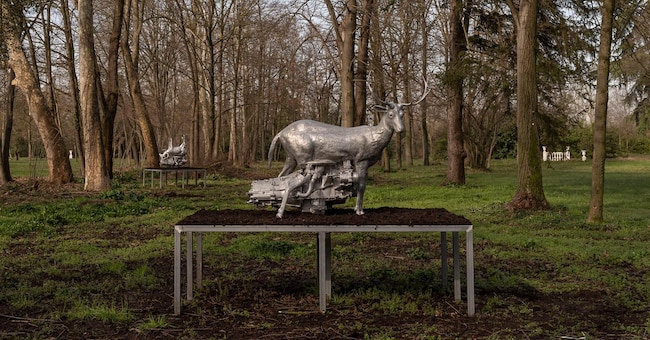
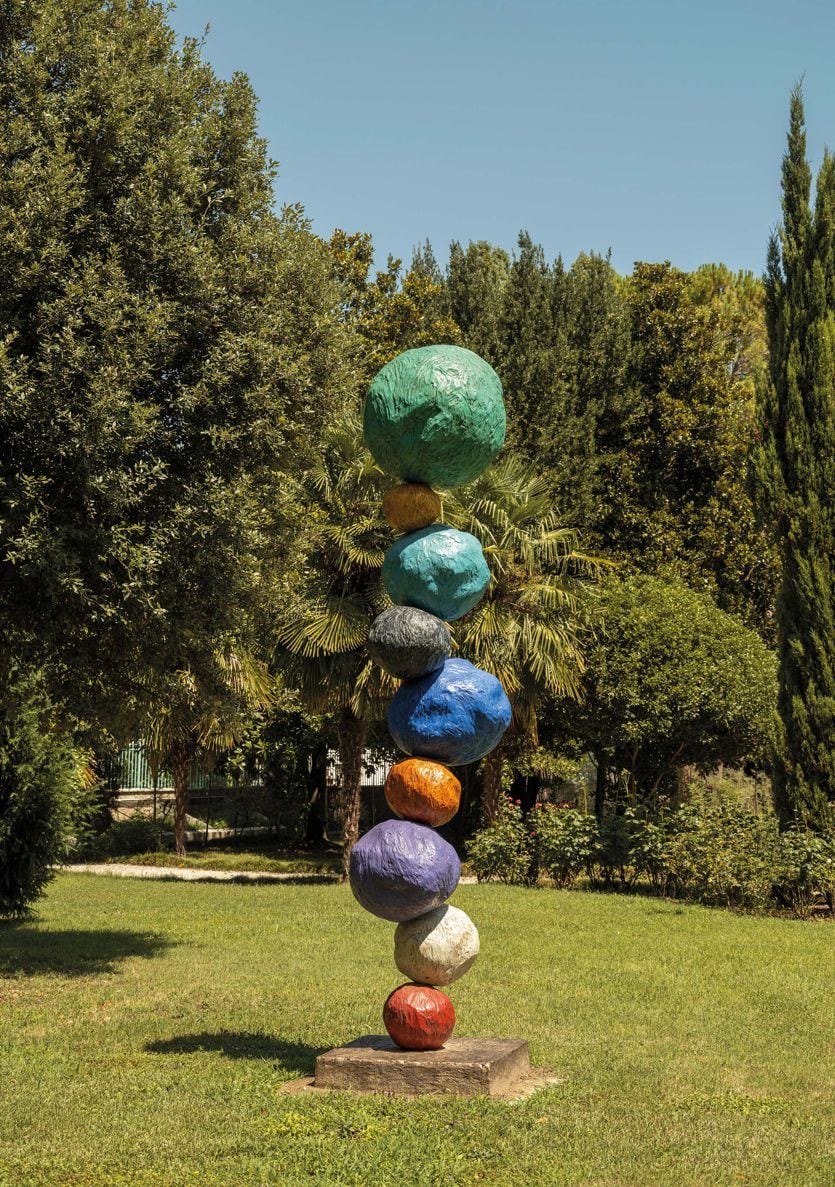
The platform of business culture, born from the vision of the president of Banca Ifis, Ernesto Fürstenberg Fassio, aims to enhance the country's heritage of Beauty, not only in the more traditional spheres such as nature and landscape, but also industrial and entrepreneurial, through the work of SMEs. "The Economy of Beauty has demonstrated with numbers and concrete testimonials, from small and large entrepreneurs in our country, how successful the combination of art and culture and business activity is," explained the president. A union that creates value, both economic and social, and that confirms the key role of the figure of the entrepreneur-patron for the virtuous development of the community. This is why I wanted to create 'Ifis art', the brand that brings together all the projects of Banca Ifis that aim to enhance the cultural heritage of our country. An integrated platform that is open both to our people and to the territory and that, among other things, includes a corporate collection of important works exhibited in the Group's offices, the International Sculpture Park of Villa Fürstenberg, in Mestre, the stopmeeting at the most important national art events - from the Venice Biennale to Rome's Arte in Nuvola - as well as major operations such as the purchase and restoration of Banksy's work 'Migrant Child', in Venice, and of the Palazzo San Pantalon, on which it was created," concludes Fürstenberg Fassio..

