
The pet beauty sector is booming. But let’s not go overboard

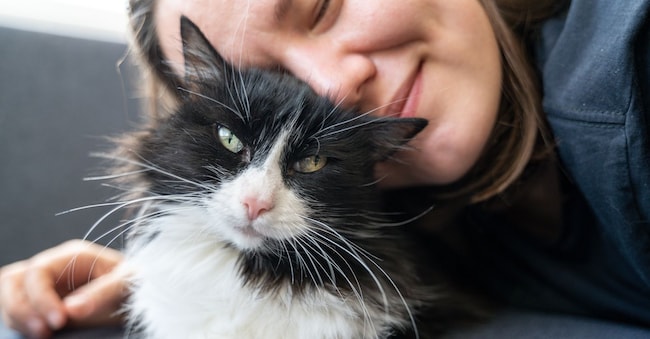
The pet economy is growing rapidly, and for one very simple reason: the number of animals – dogs, cats, but also small rodents, fish, birds and reptiles – living in our homes is constantly on the rise. According to some estimates, the number of pets has already surpassed that of humans in terms of millions, and this trend looks set to continue in Italia, most European countries and the United States. Our pets must be provided with a proper diet, preventative healthcare and care and attention that are no less important and which, mutatis mutandis, are similar to the beauty, skincare and body care products used by people.
The growing trend
Of the sectors we have mentioned, the ‘beauty’ sector is one of the most dynamic, both because there is a growing number of brands for humans that are creating bespoke ranges – particularly shampoos and grooming tools – and because there are a great many specialist brands, which are constantly expanding their range, going well beyond products for washing and coat care, brushes and nail clippers. The new ranges include ointments for specific uses (primarily paw pads), as well as oral hygiene products. The supplements segment is also very dynamic, in this case aimed primarily at dogs and cats: Purina, for example, launched Pro Plan Hydra Care a few months ago, a complementary feed for adult cats with a formulation designed to make a valuable contribution to cats’ water intake. By nature, cats tend to drink very little, and finding ways to encourage them to drink more can be a challenge for many owners.
As we were saying: the pet beauty sector is growing rapidly, but it is a trend that needs to be handled with greater care, so to speak, than those relating to nutrition and medical care. The risk, in fact, is that we might transfer to animals some of the excesses that have become widespread amongst us humans, with the well-known over-reliance on aesthetic or cosmetic procedures.
The guidelines to follow for a healthy beauty routine
Grooming a dog, for example, is recommended for most breeds, using products designed for canine skin. Combing and bowing their coats, or even entering them into beauty contests, is, however, strongly discouraged. Brushing cats and trimming or filing their claws – according to the vast majority of vets – is advisable, and when it comes to grooming their fur with specialised combs and brushes, cats almost always enjoy it too. Trimming the claws of small rodents such as Peruvian guinea pigs or guinea pigs is not only advisable but necessary, and there are, of course, tools specifically designed for this purpose. Oral hygiene products for dogs and cats are useful and recommended, and the same applies to ointments that relieve or prevent problems with the paw pads or other sensitive or delicate areas. On the other hand, perfumes, nail varnish and the aforementioned bows and ribbons should be avoided: our pets – unfortunately or fortunately – cannot speak. Dogs are, by their very nature, tempted to please us humans, perhaps even going along with choices we impose on them. With cats, it’s more difficult, and we must remember that, like rats, these little felines take care of their own personal hygiene from a very young age. It takes some nerve to put a bow on a cat or – worse still – to paint its nails. Or rather, it takes sheer folly. To conclude: pet care products are all very well, but let’s not make the mistake of treating our pets like toys or imposing things on them that nature would never suggest.


